HOT MILK

Directed by Rebecca Lenkiewicz
From the very first moment, I fell in love with Hot Milk. It wasn’t even the story at first—it was Rebecca. When I met Rebecca Lenkiewicz, I was struck by how kind and open she was. It felt unfamiliar to me, disarming in a way I didn’t expect. There was no distance, no hierarchy—just a sense of trust from the beginning. Things moved quickly. Three days after our Zoom call, we were already together on a preliminary location scout.
Hot Milk is based on the novel by Deborah Levy. It follows Sofia (Emma Mackey), a young woman bound to her mother, Rose (Fiona Shaw), by a mysterious illness—her inability to walk. They travel to Almería in Spain to seek help from Dr. Gomez (Vincent Perez), a man who exists somewhere between doctor, psychologist, and something less definable. He believes the illness comes from the mind. Under the relentless sun, after a jellyfish sting, something in Sofia begins to shift. She falls in love, pulls away from her mother, and slowly steps into her own life.
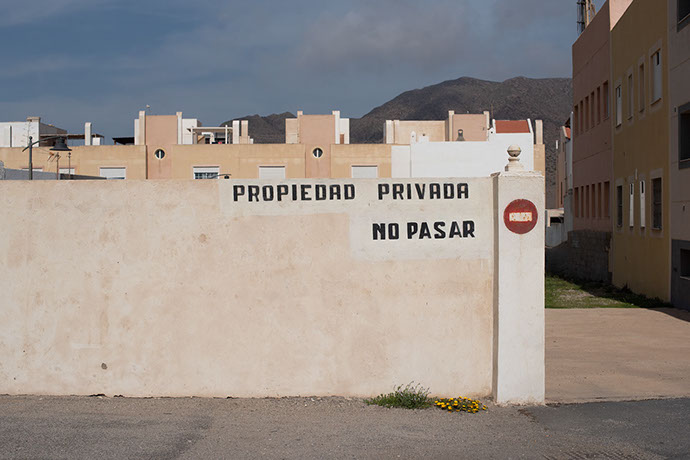
We couldn’t shoot in Almería. The budget didn’t allow it. Instead, we went to Greece and asked it to become Spain. But I didn’t want to rely on references or secondhand images. I needed to understand the place physically, so I traveled to Almería alone.
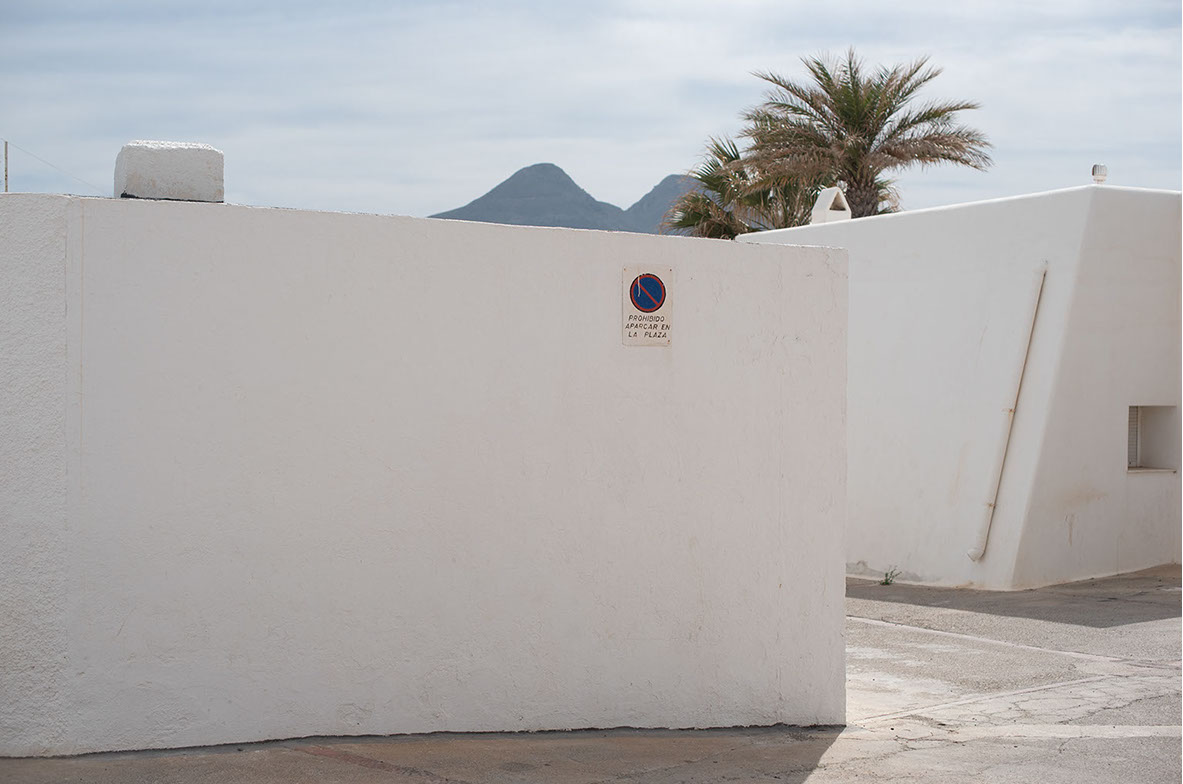
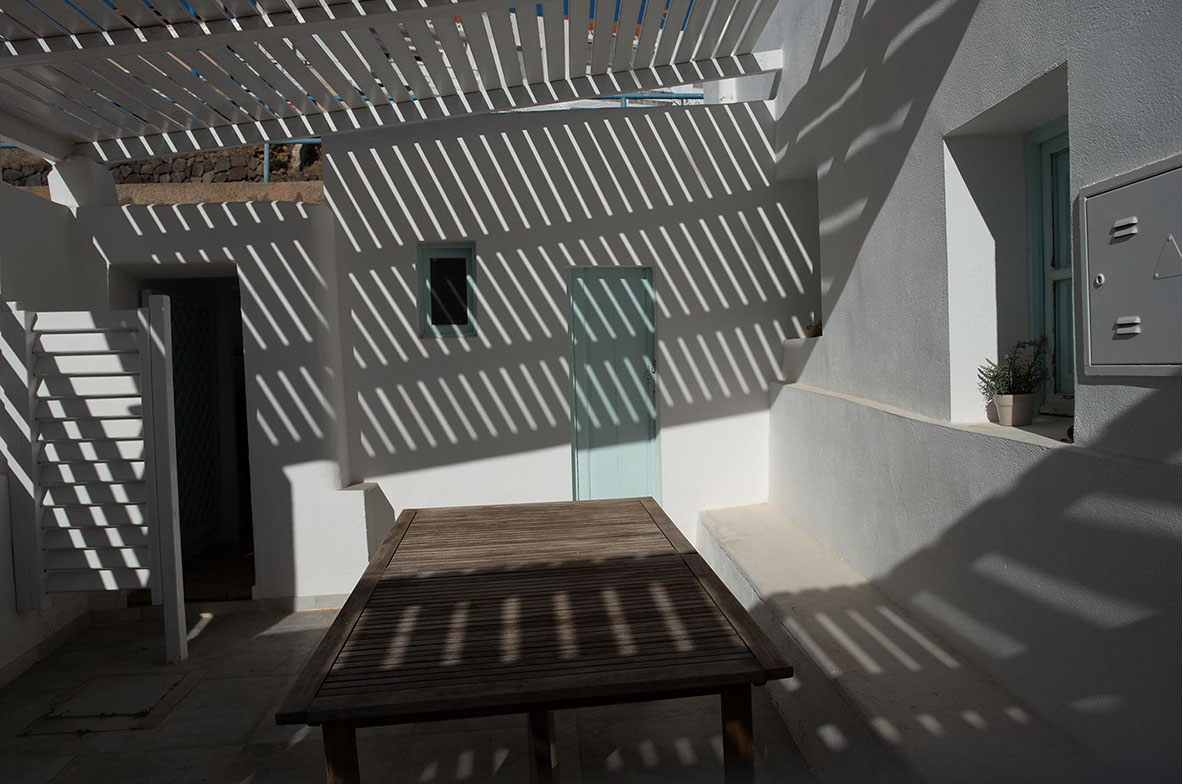
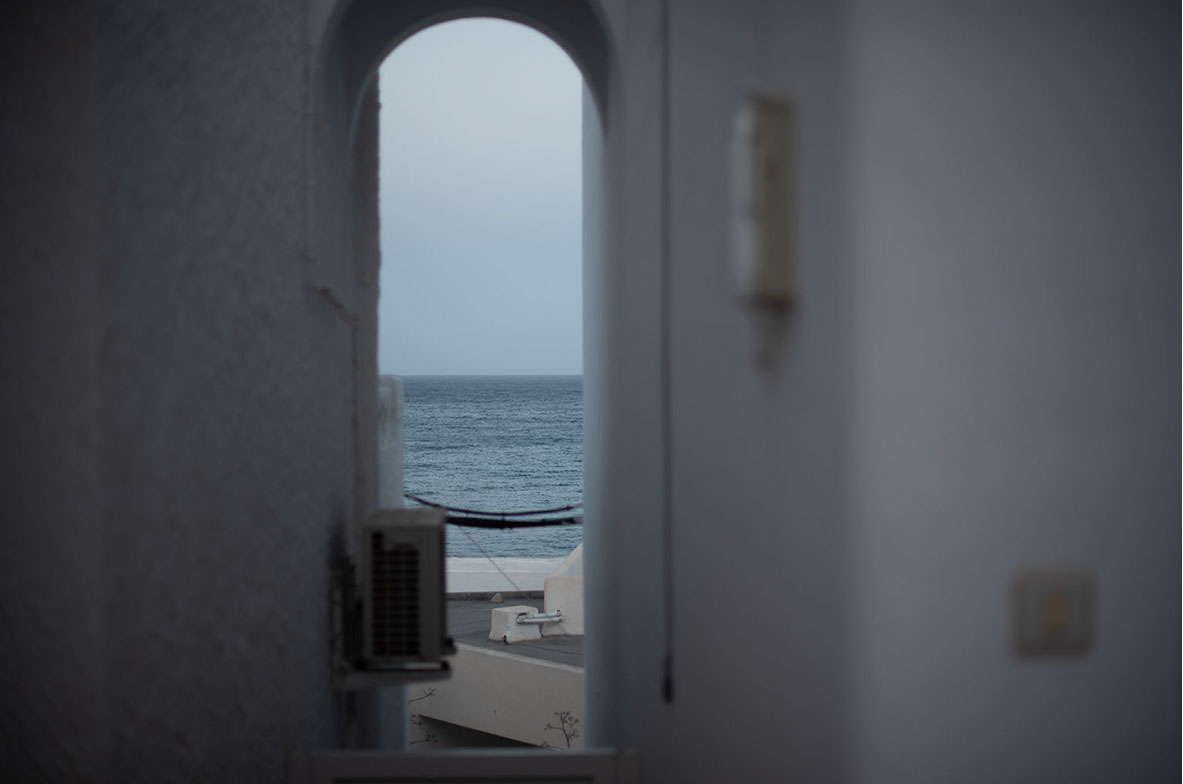


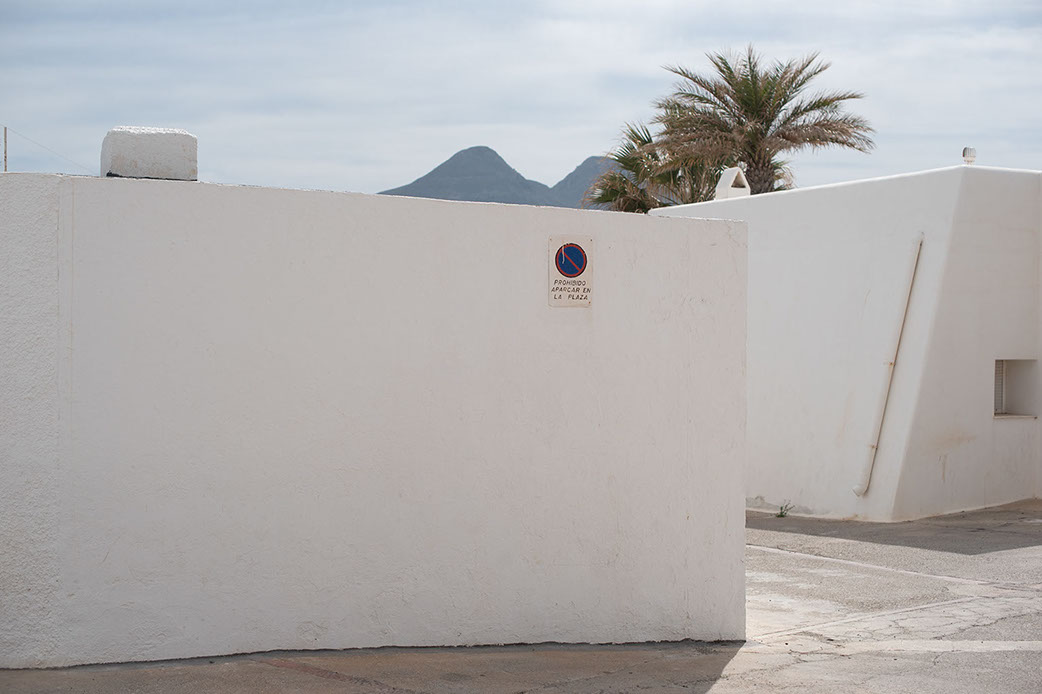
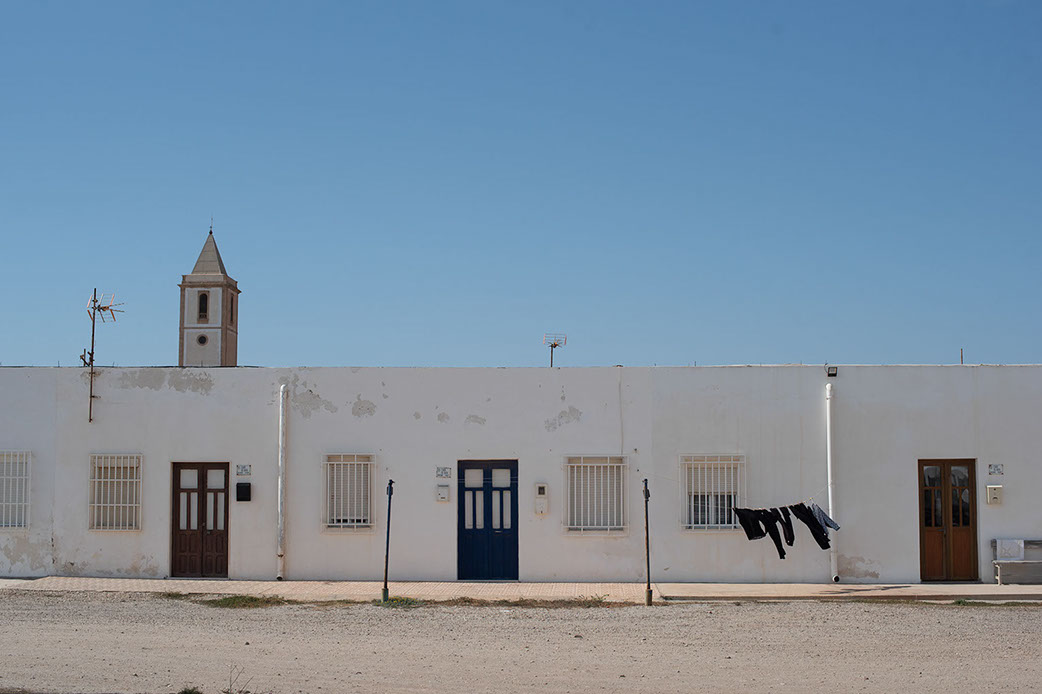
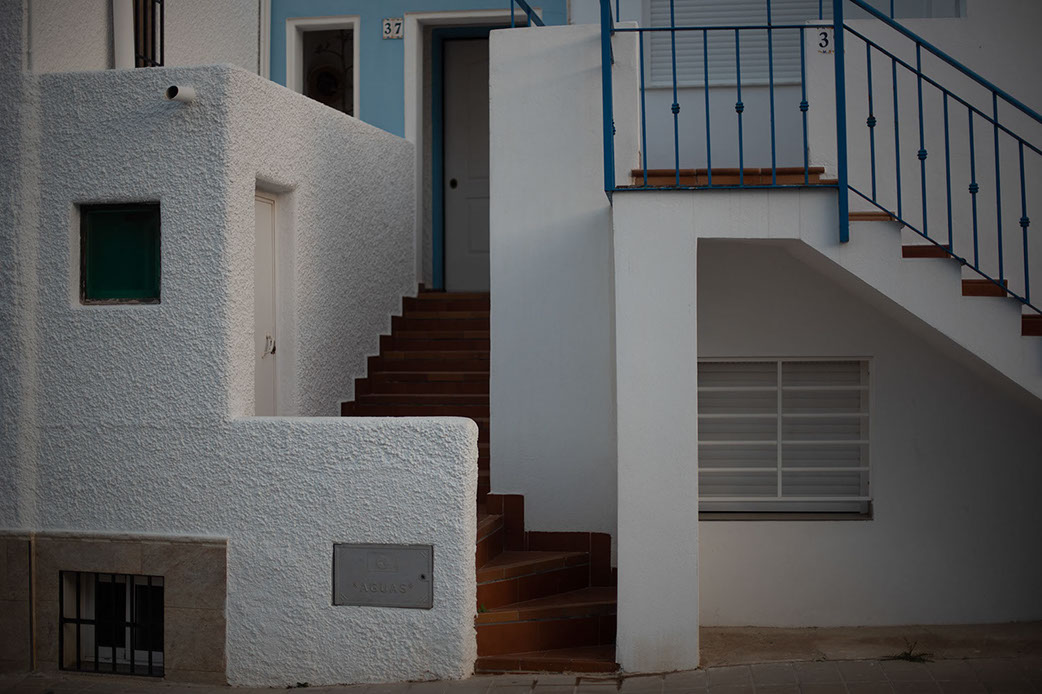
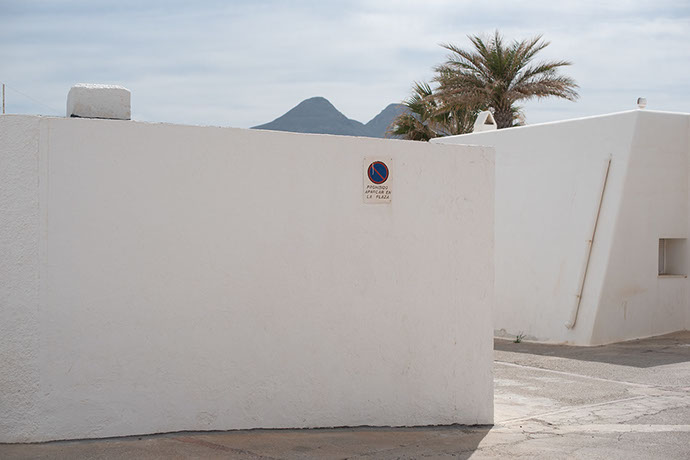
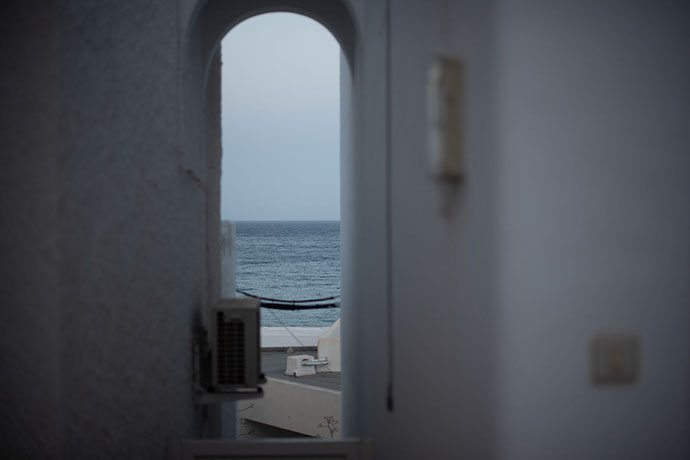
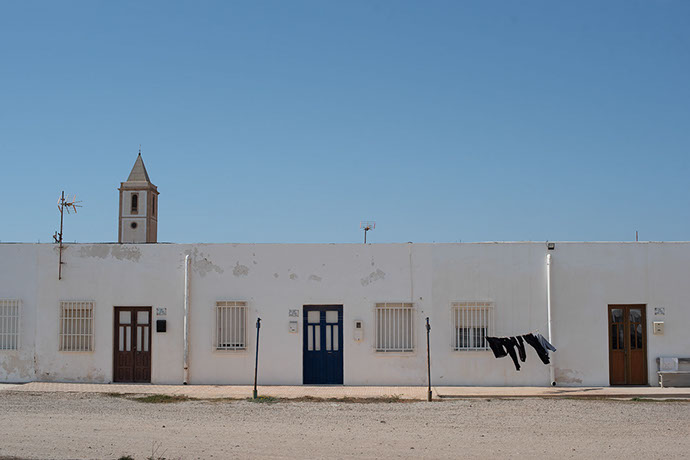
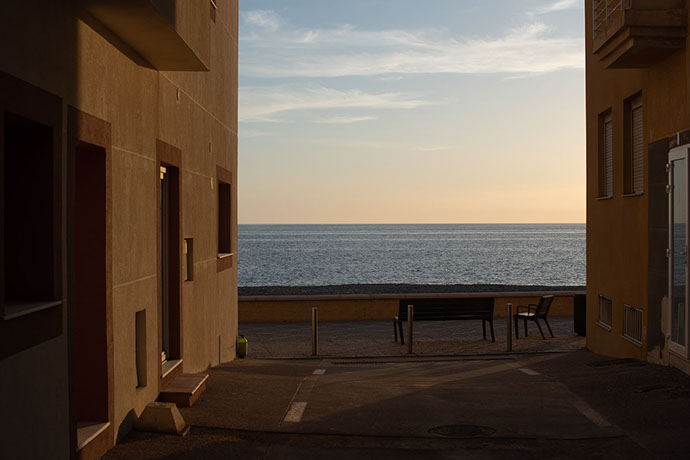
I had lived in Spain before, but I had never been there. What I found surprised me. There was a kind of emptiness that didn’t feel lonely. The place felt untouched by time—no modern architecture, old wooden boats resting on the sand, silence stretching across the landscape. It made me feel strangely free. That feeling—of a place where something can change inside you—became essential to the film.
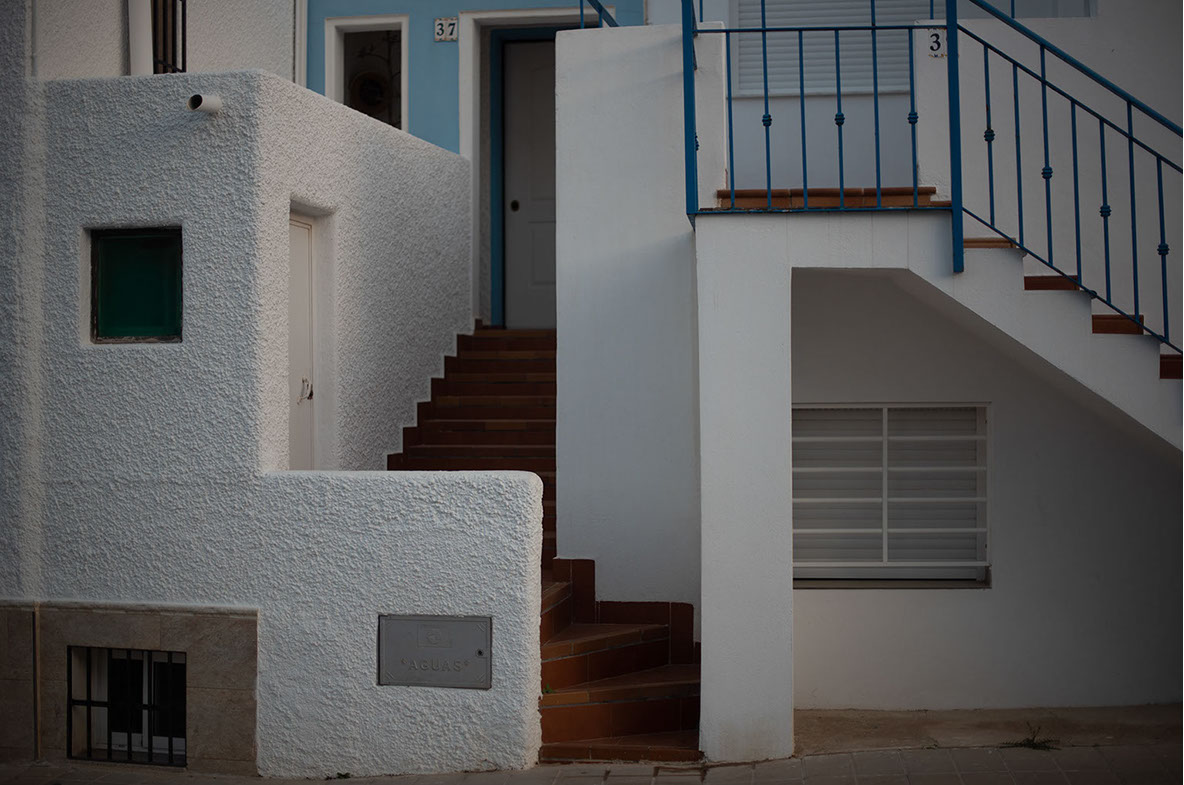


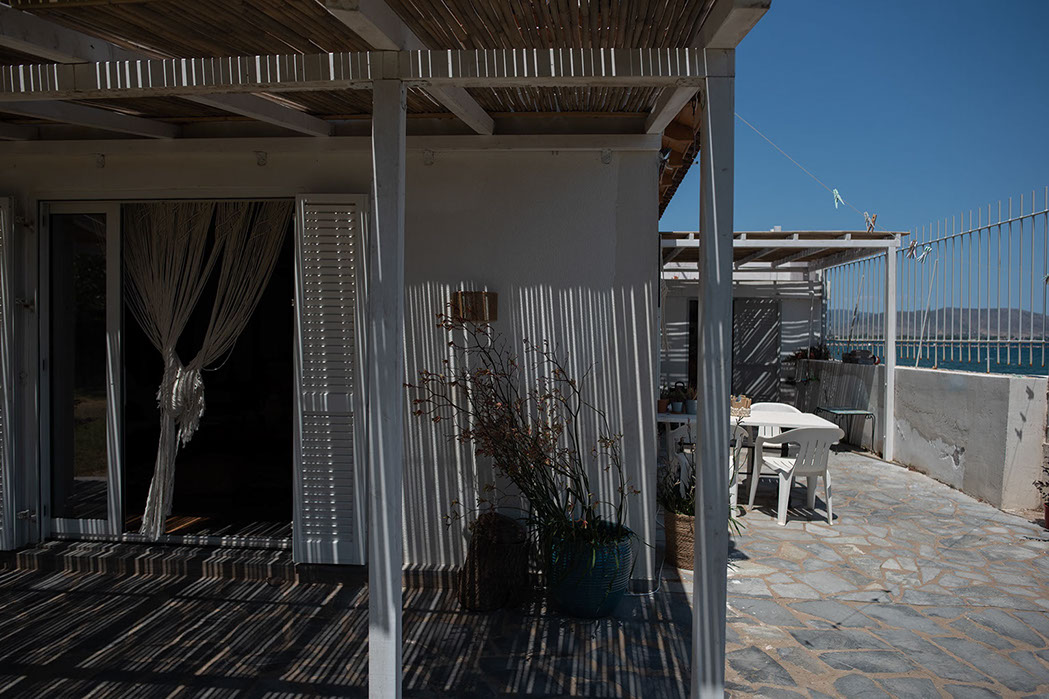
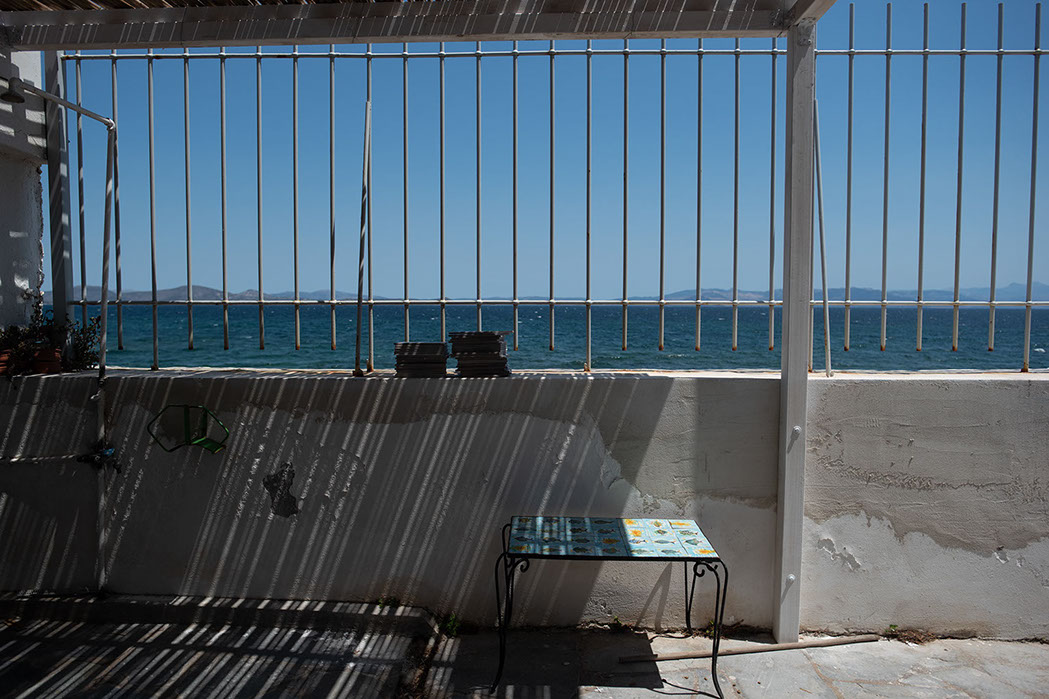
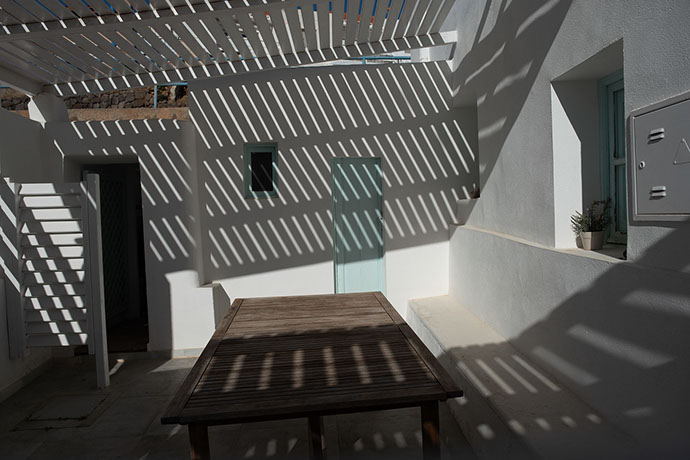
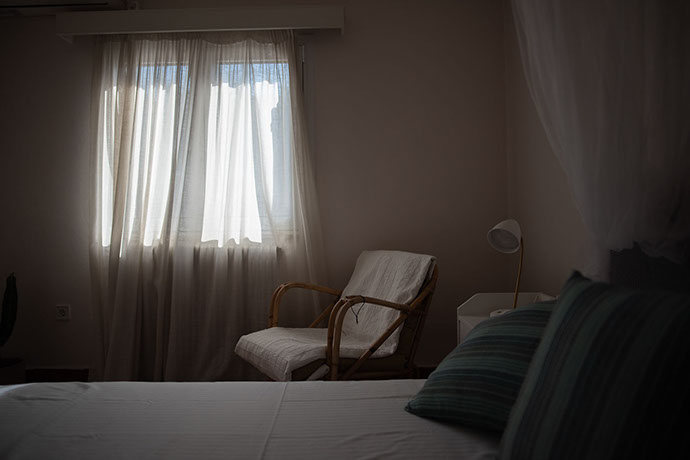
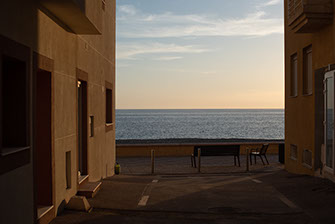
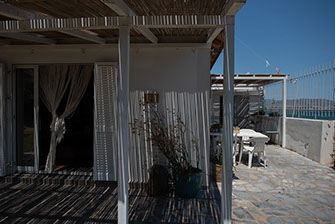
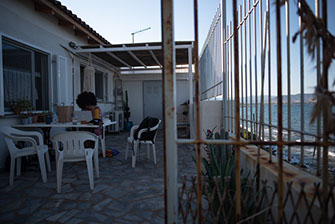
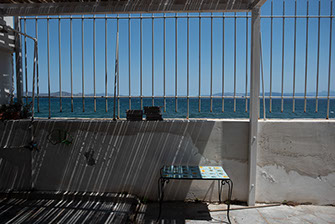
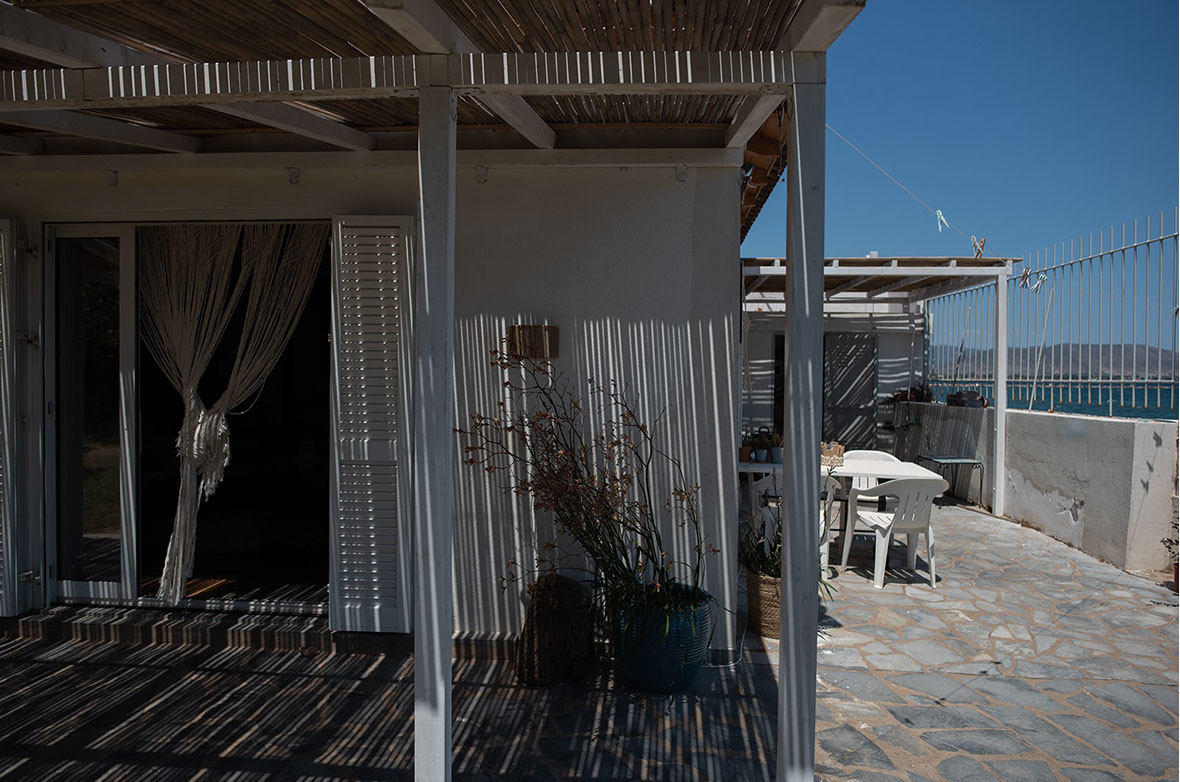
In Greece, we searched for that same sensation. The dry terrain and white-plastered houses helped, but it was really in the more abandoned, worn-out parts of Attica where we came closest. And then there was the sun. It wasn’t just light—it was force. Something oppressive and unavoidable. It bleaches, erases, simplifies. Over time, everything collapses into a reduced palette: white, ochre, and the turquoise of the sky and sea. I tried to push that feeling further, using simple materials—tulle, thin wood—to shape and harden the light.
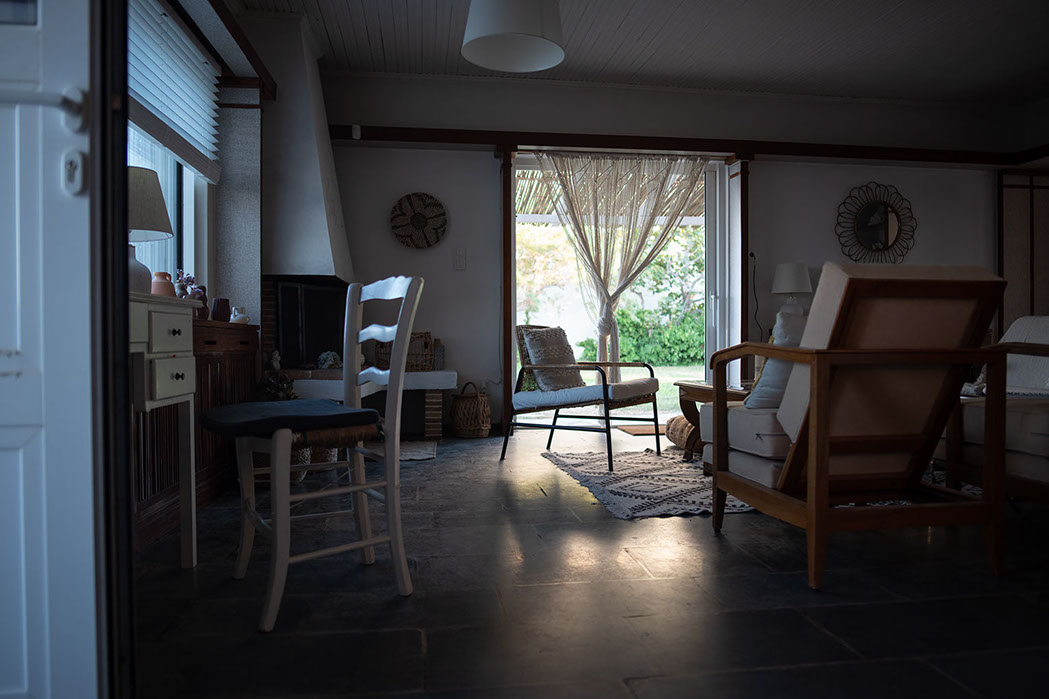
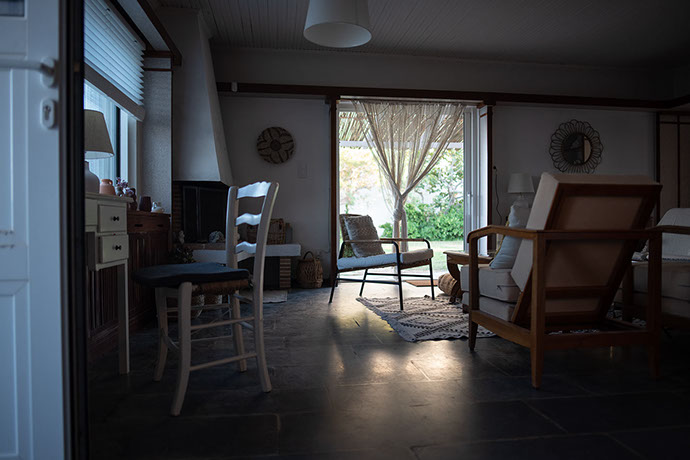
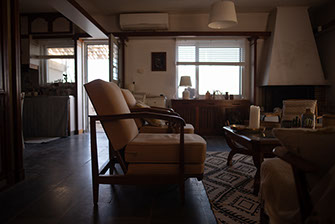
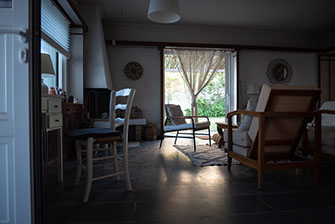
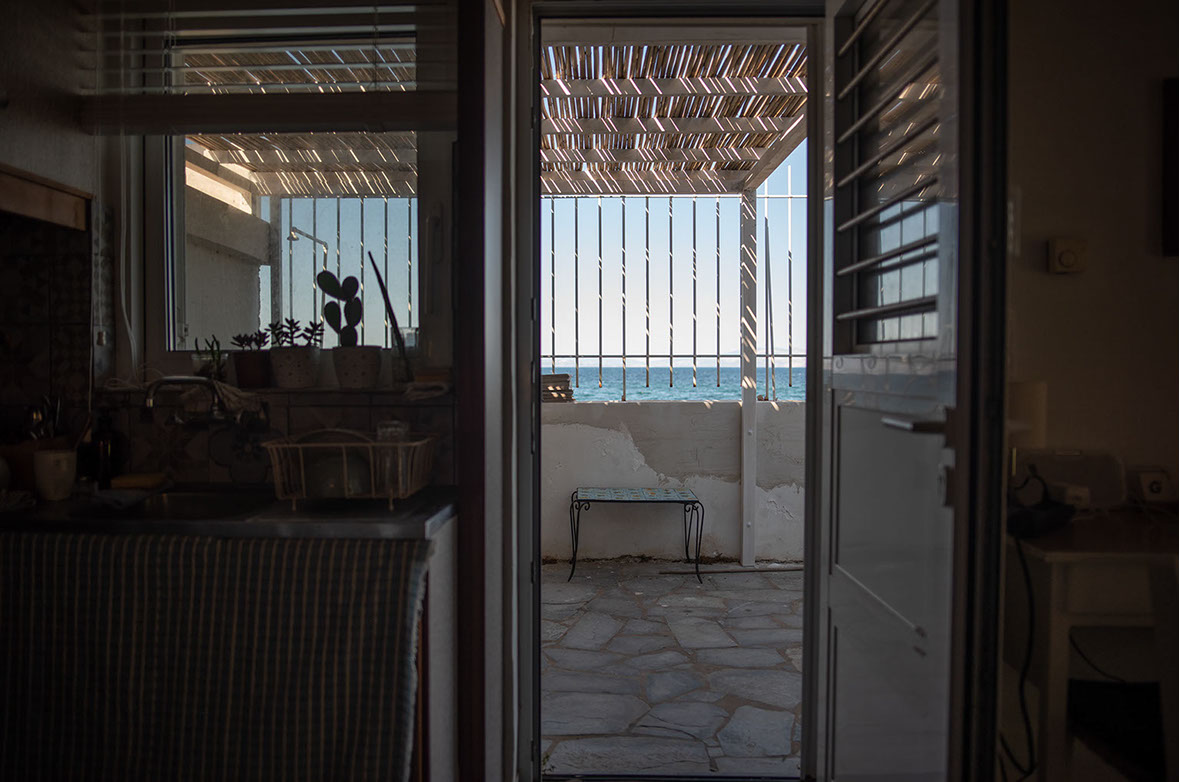
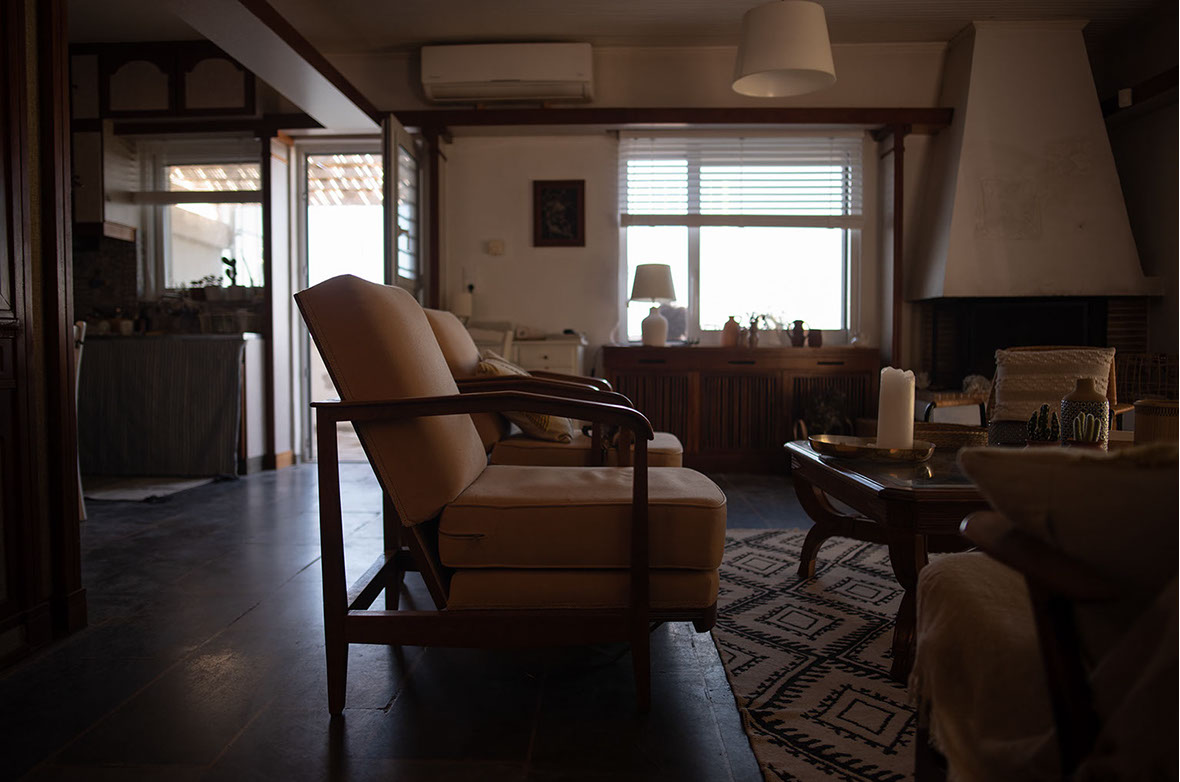
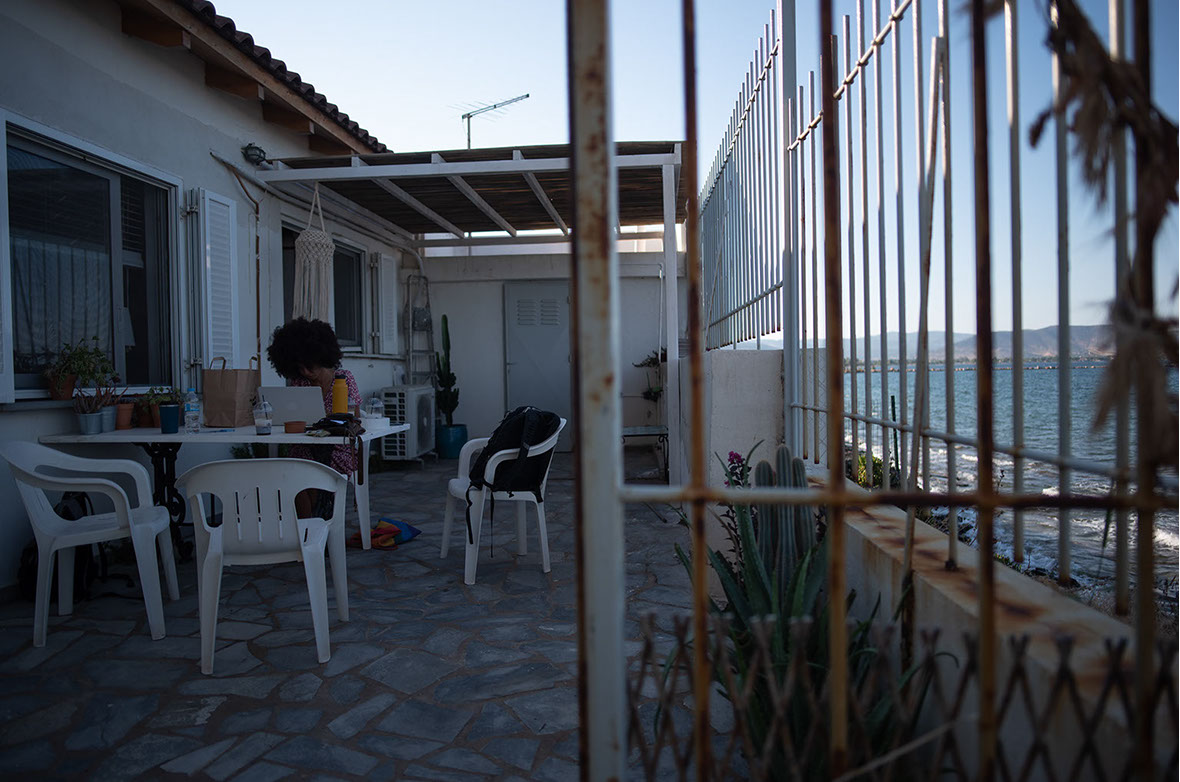
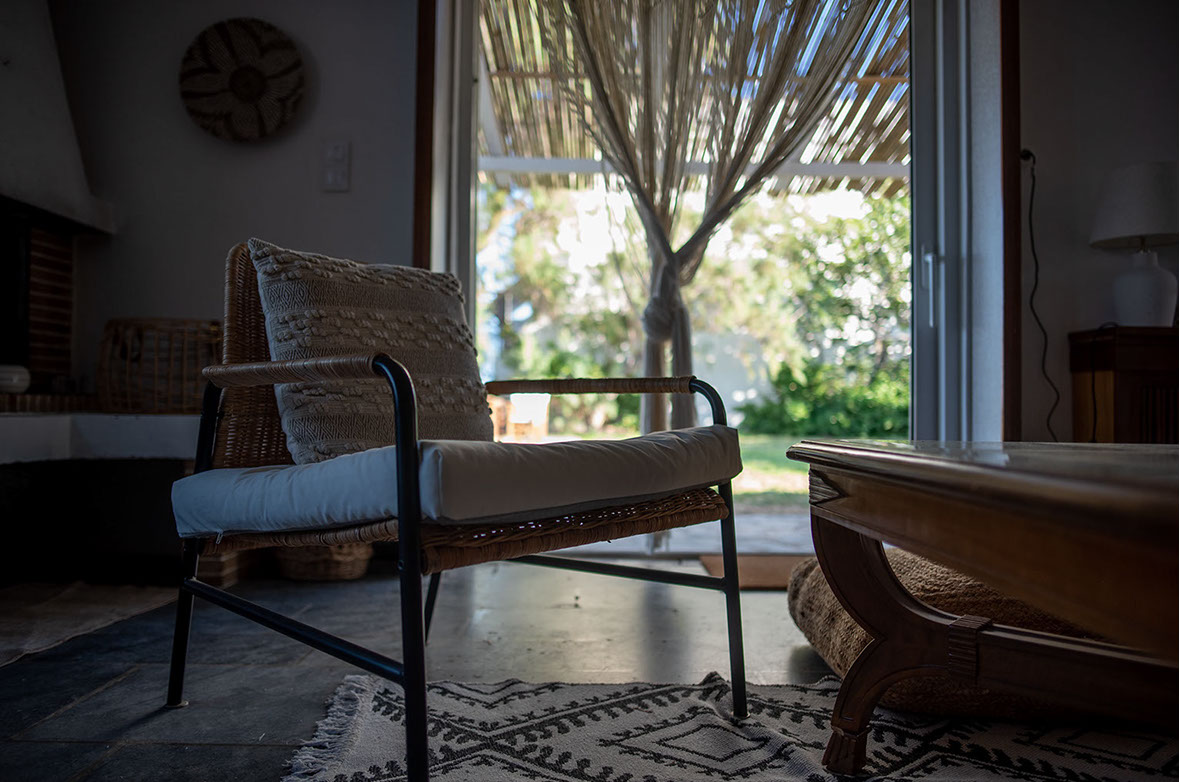
The film moves between two main spaces: Sofia’s house and Dr. Gomez’s clinic. But for me, everything began with the house.
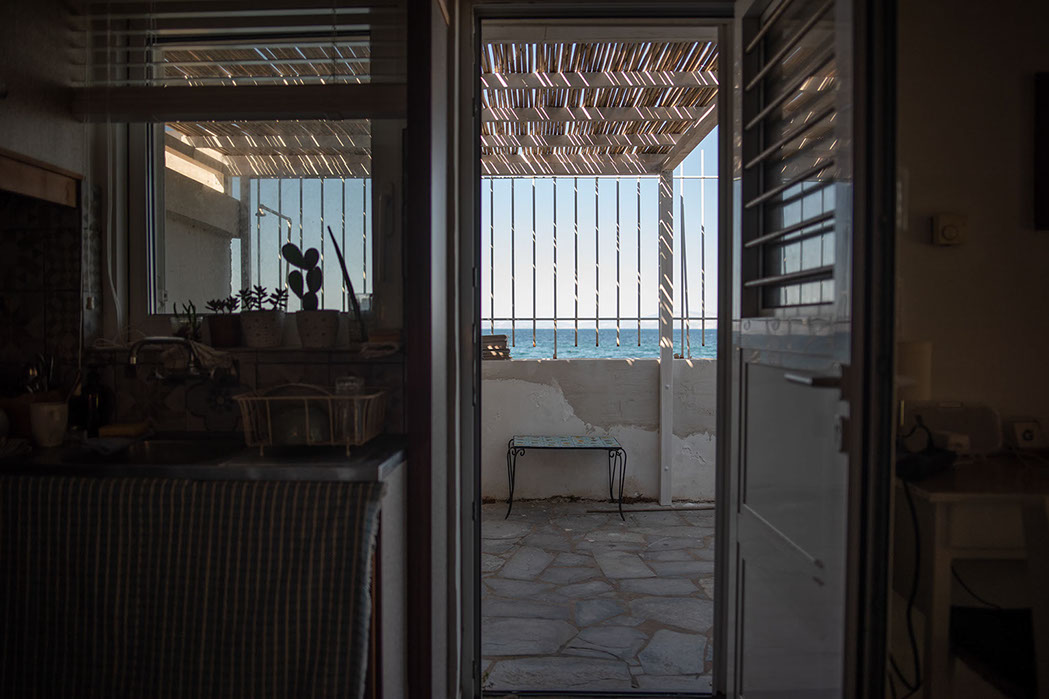
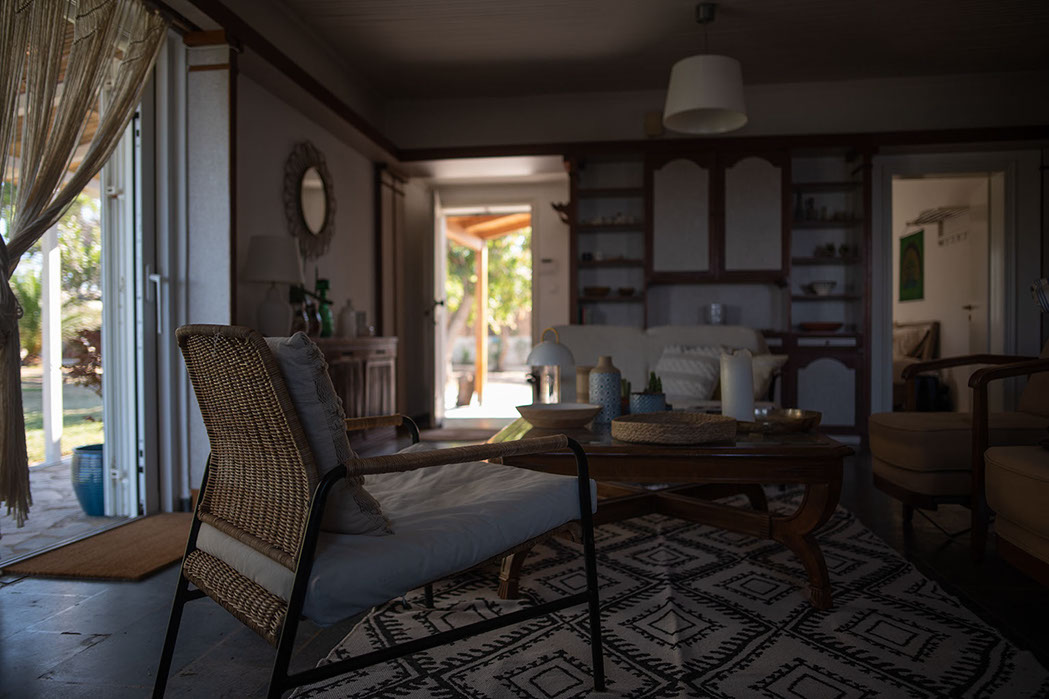
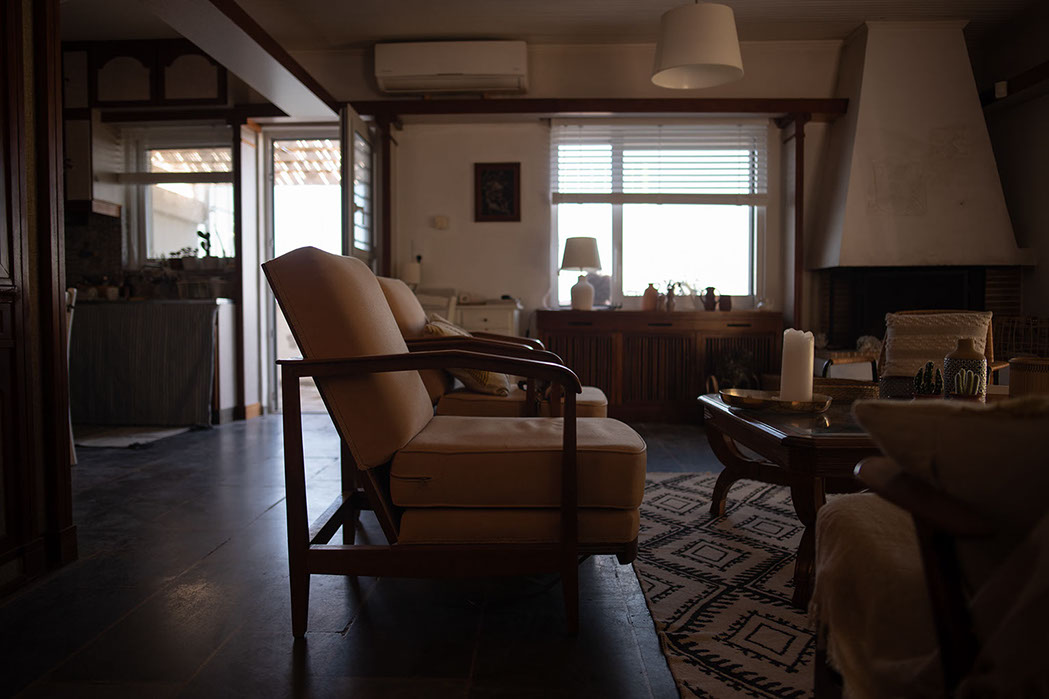
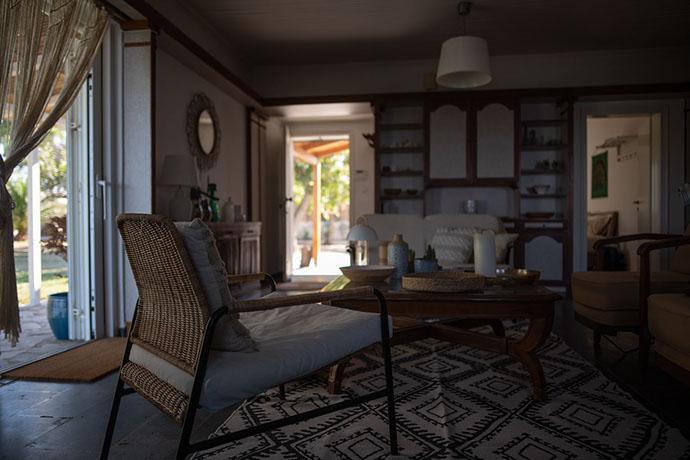
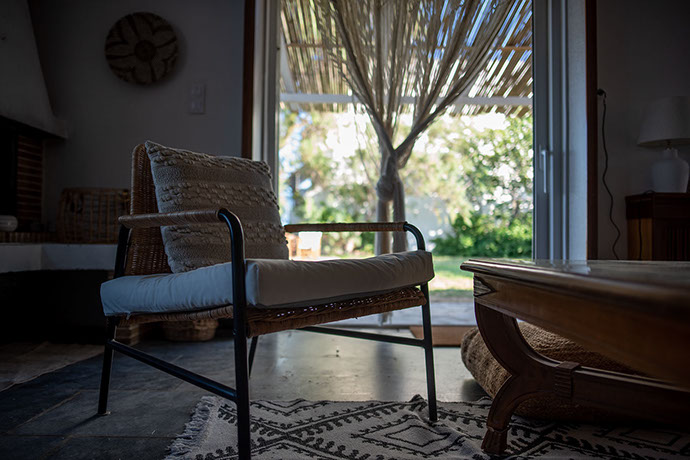
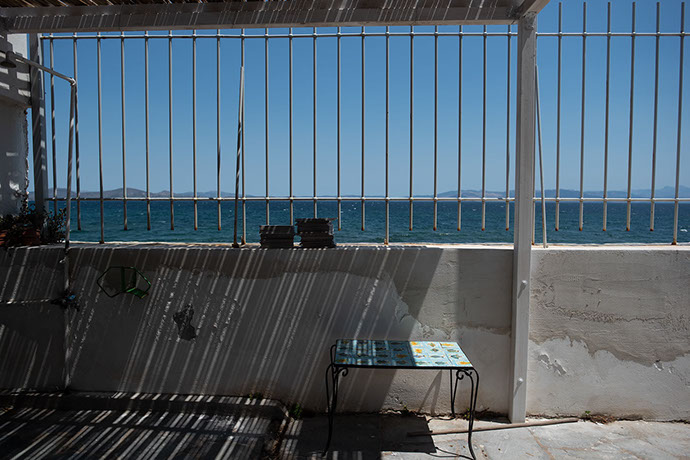
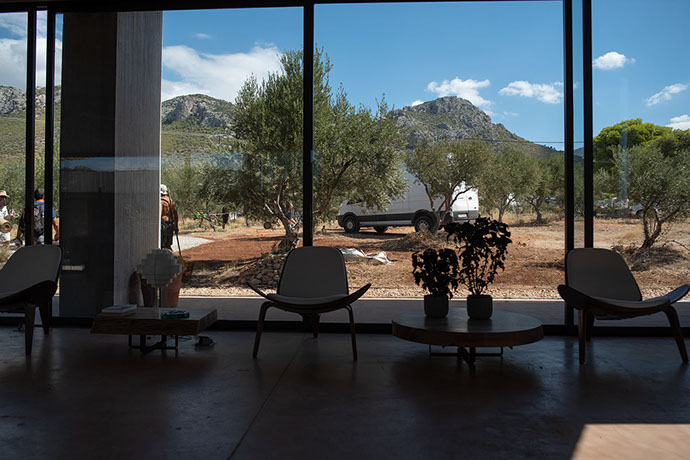
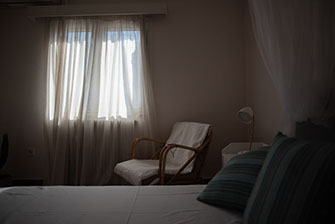
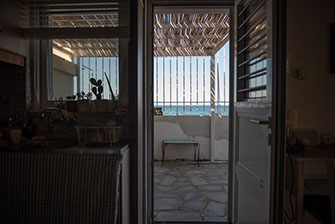
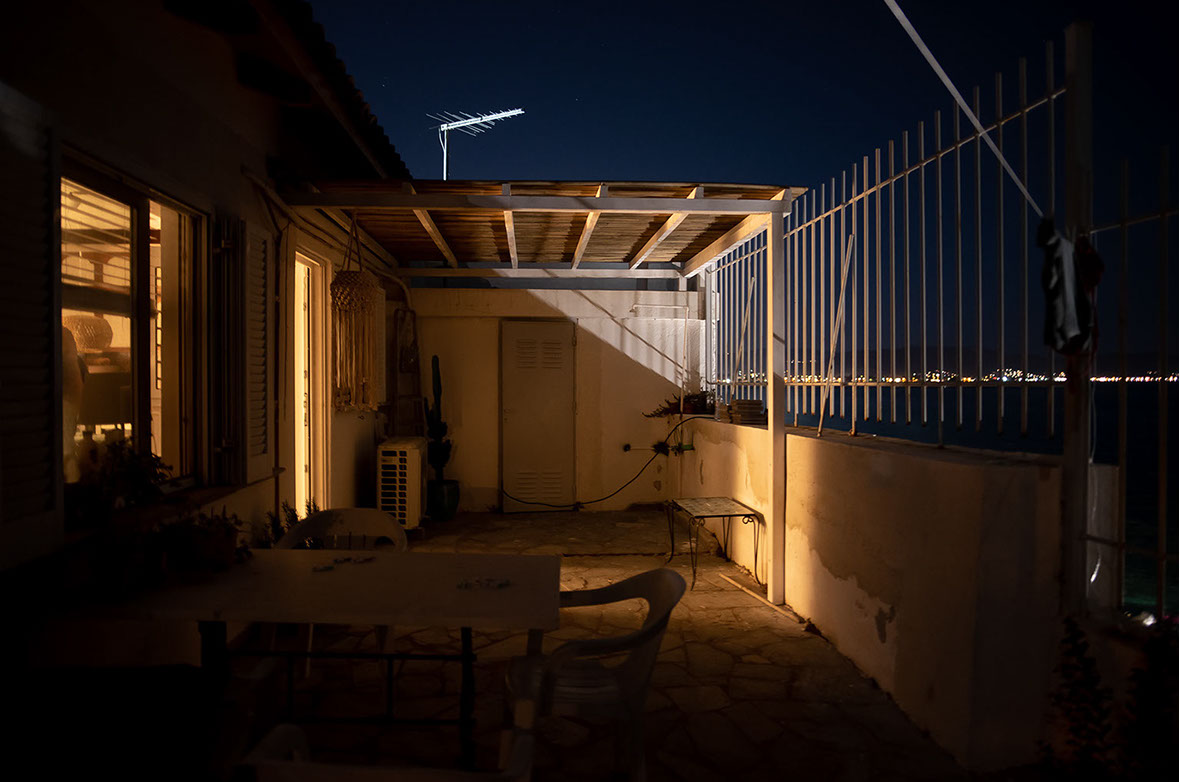
It isn’t really hers. It doesn’t belong to her or to her mother. It’s a rented place, temporary, almost anonymous. And yet, perched on a hill overlooking the sea, it carries a quiet tension—a sense of standing on a threshold. Between past and future, between captivity and freedom. I started to think of it as an empty shell, something waiting to be filled. My instinct was to remove rather than add—to strip it back, to let it breathe. What mattered most wasn’t inside, but outside: the sea, always present, always just out of reach.




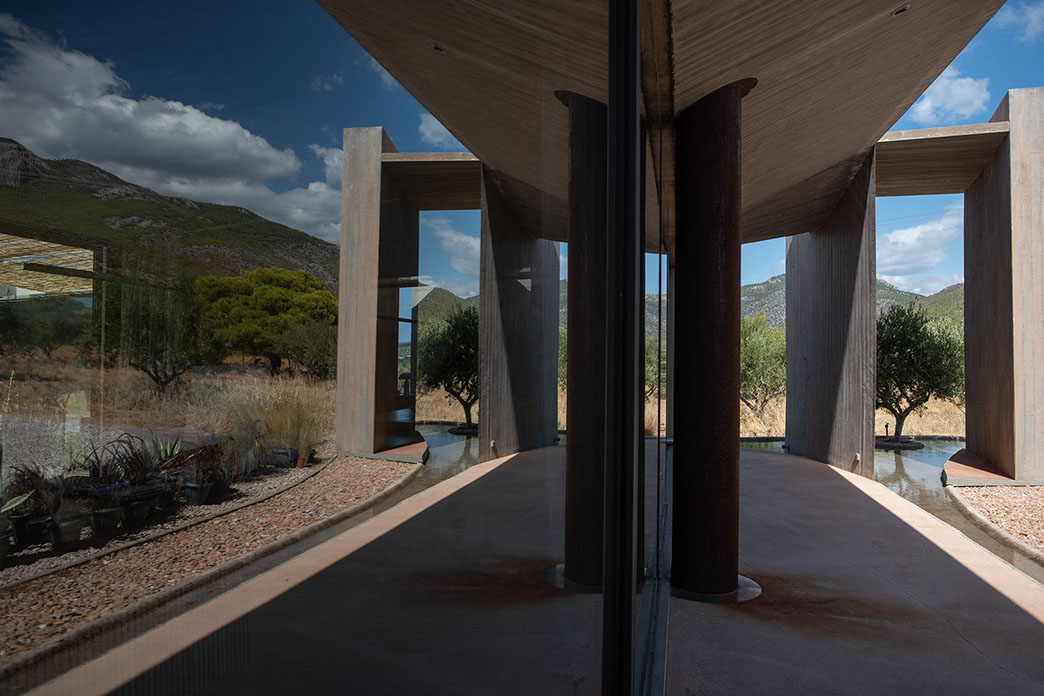
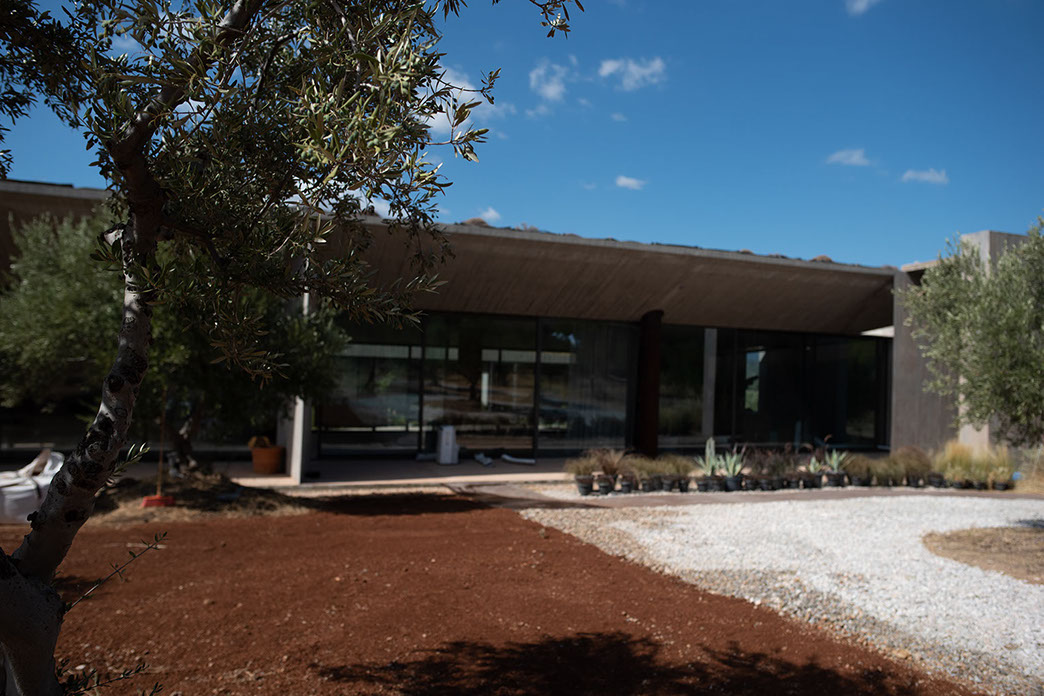
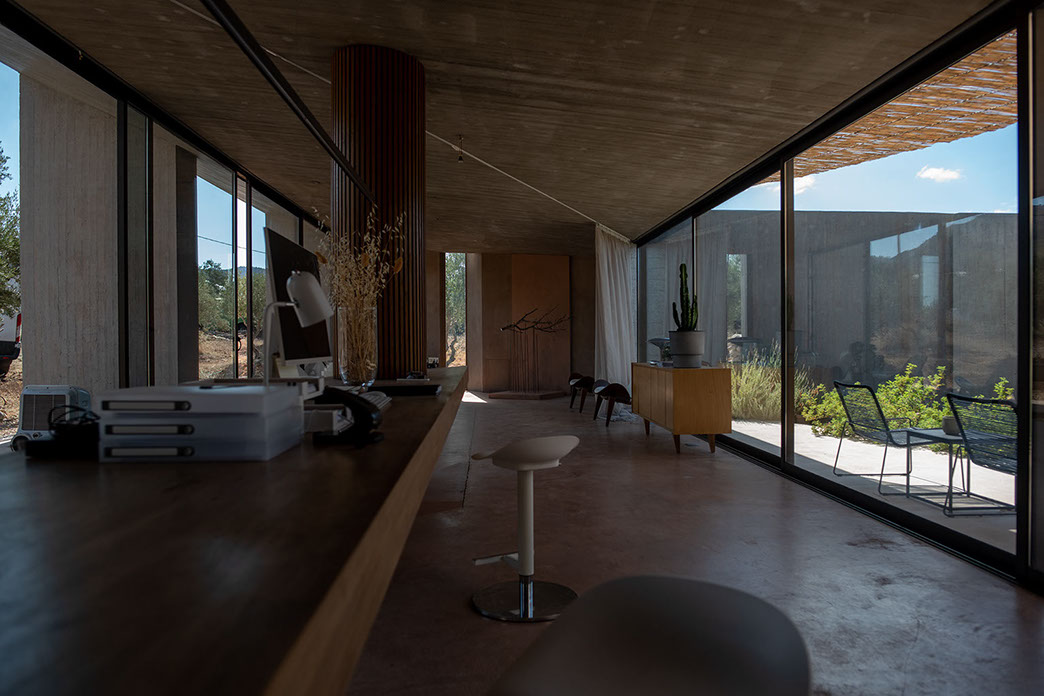
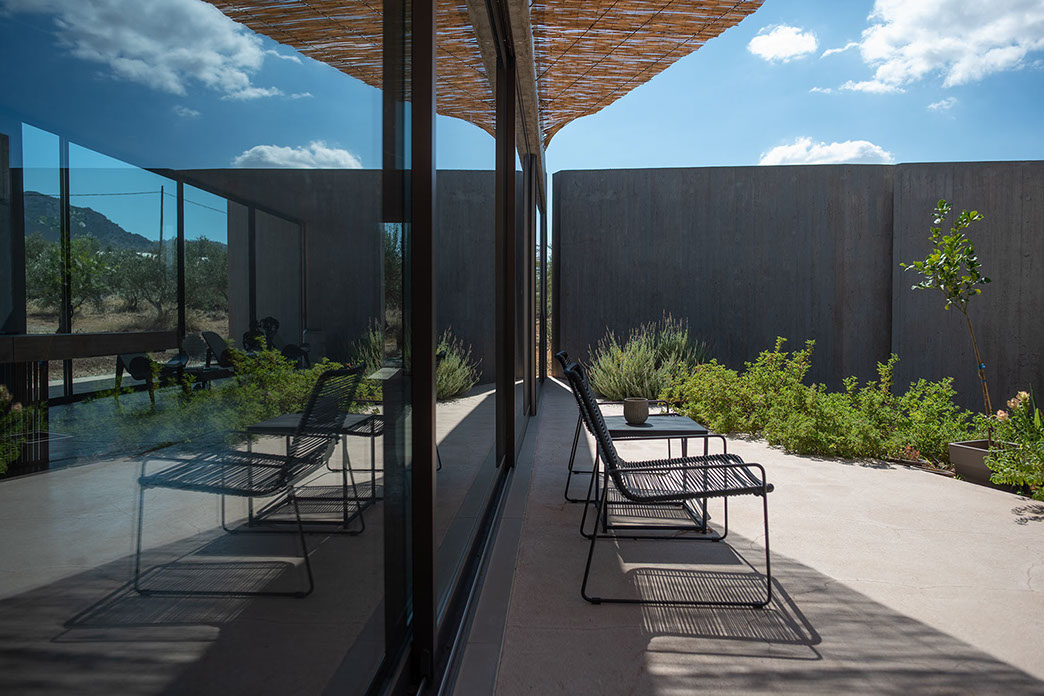
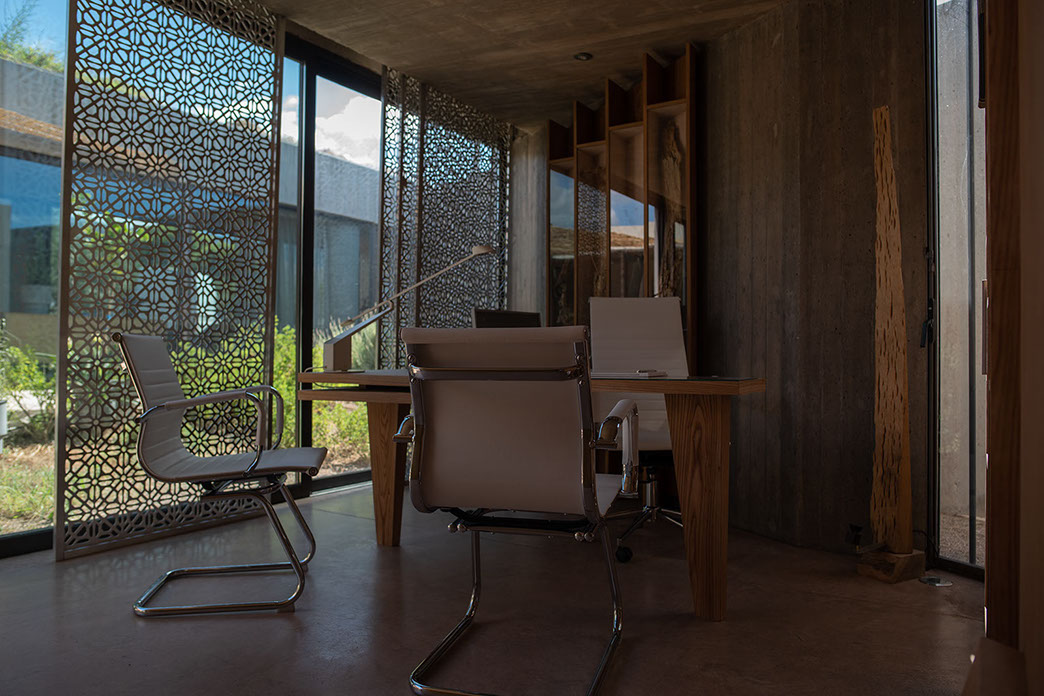
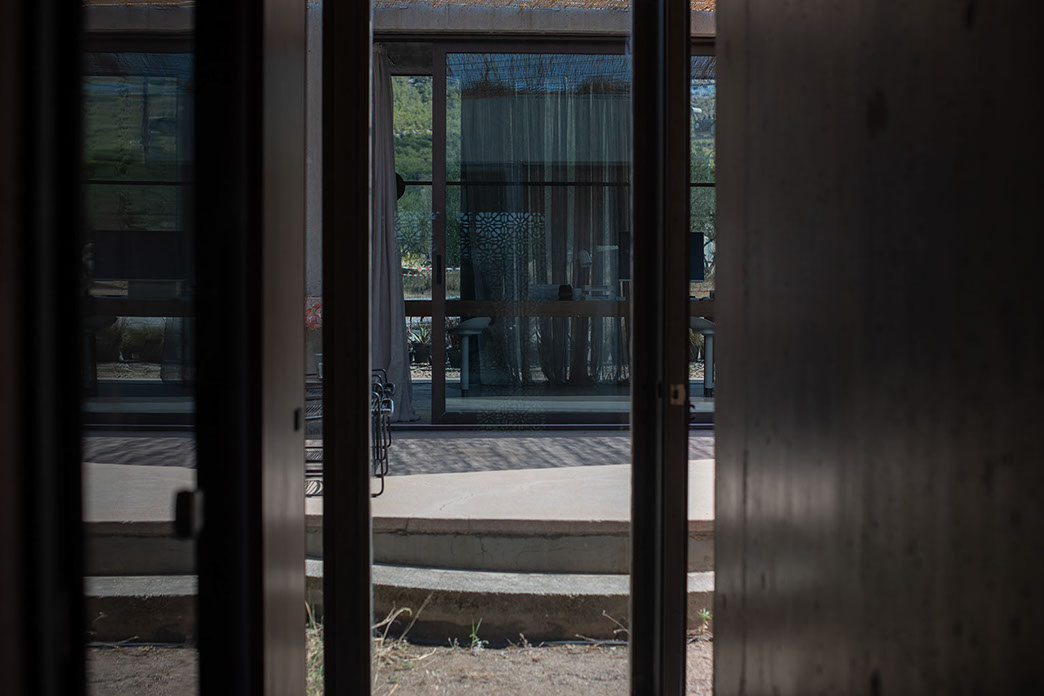
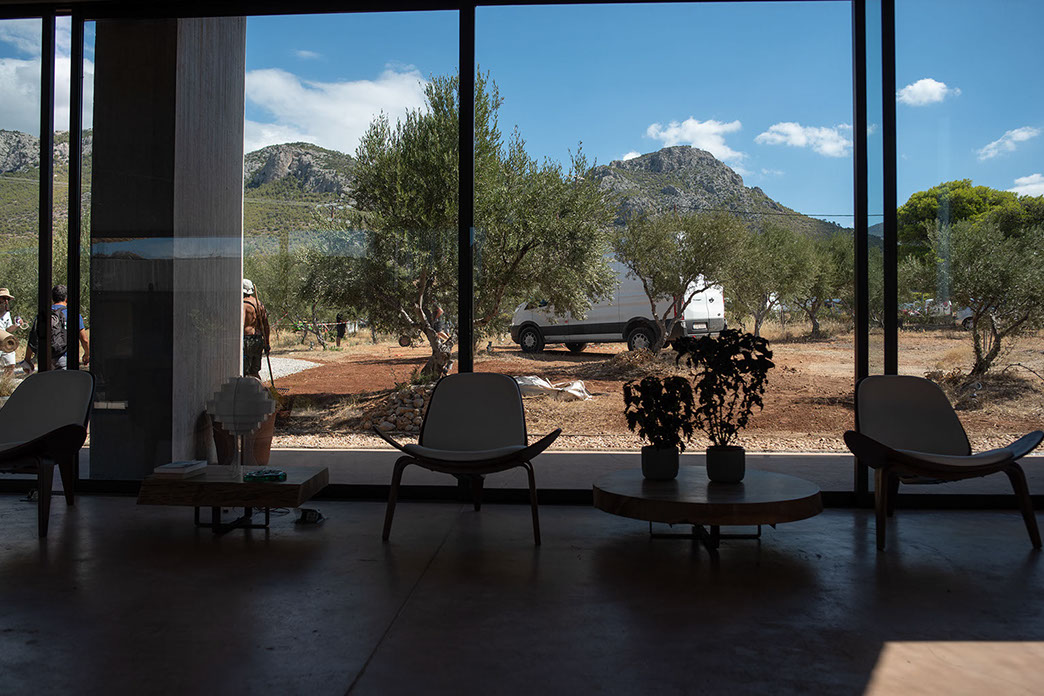
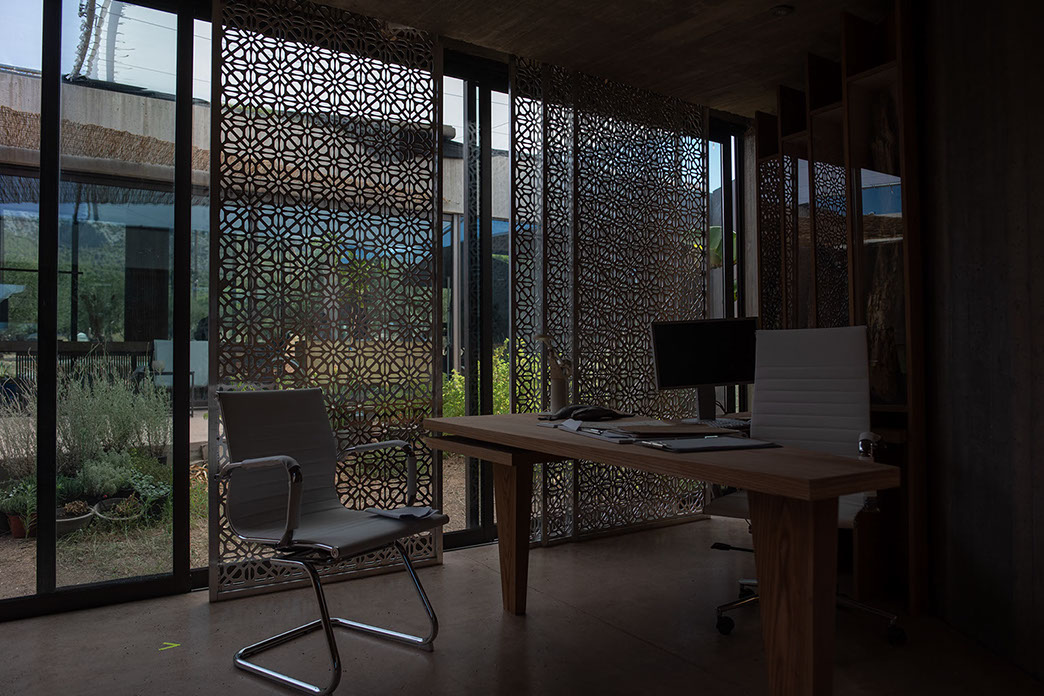
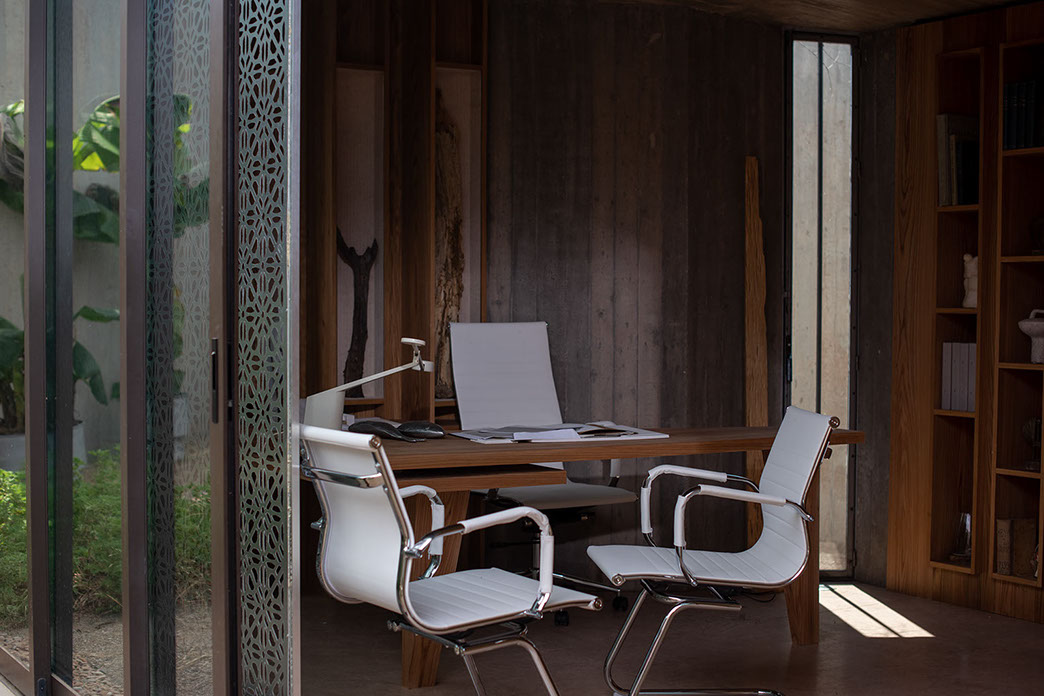
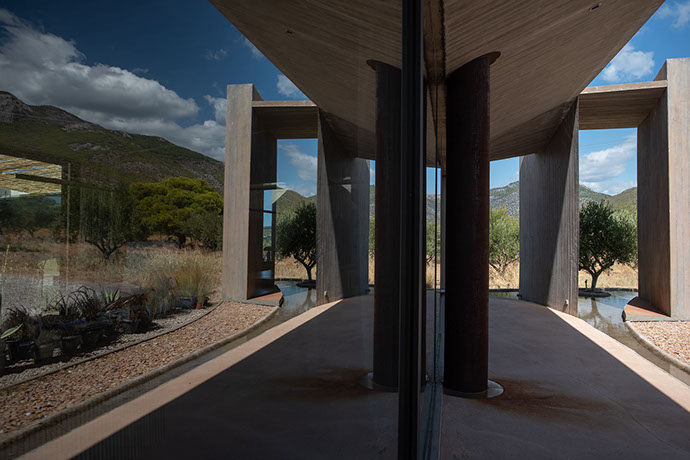
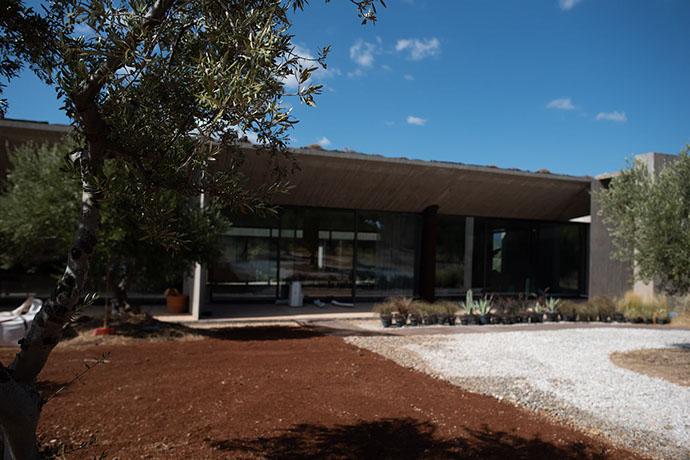
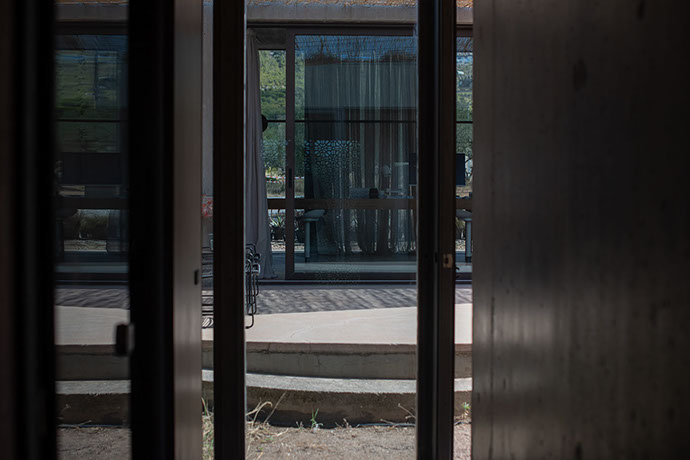
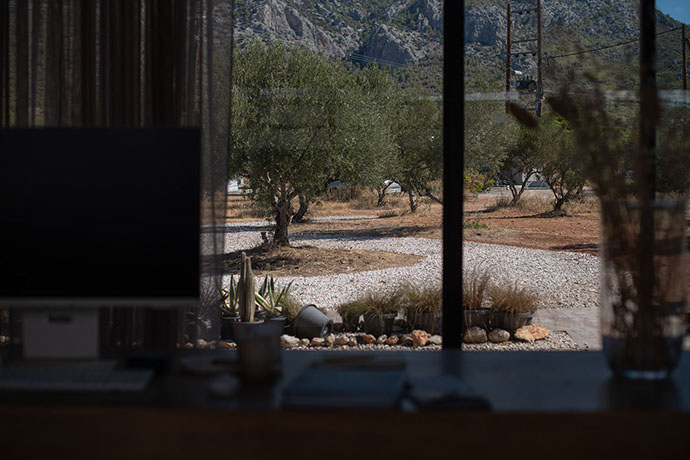
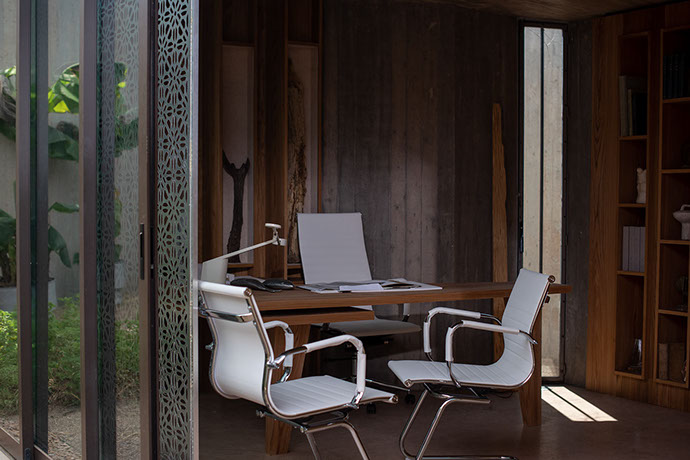
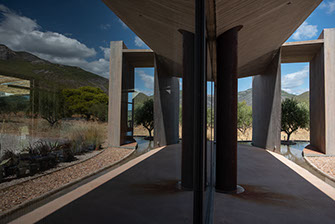
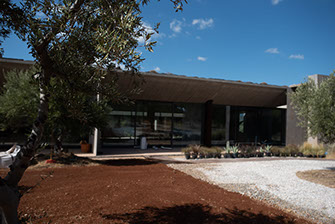
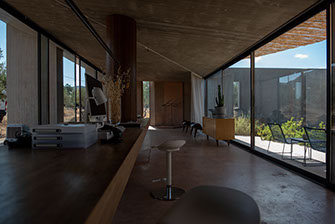
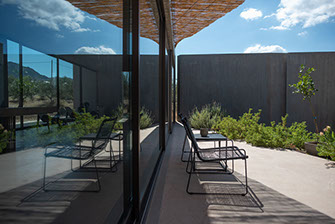
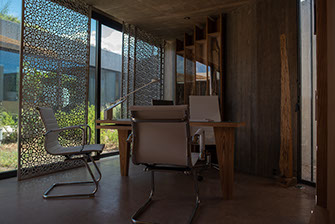
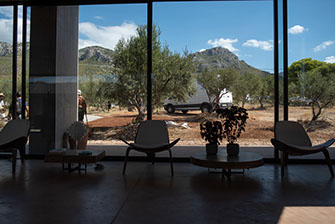
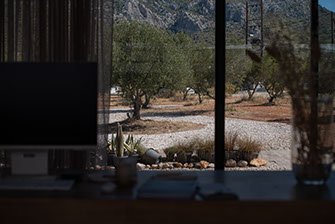
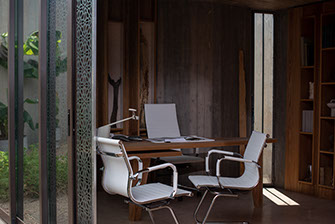
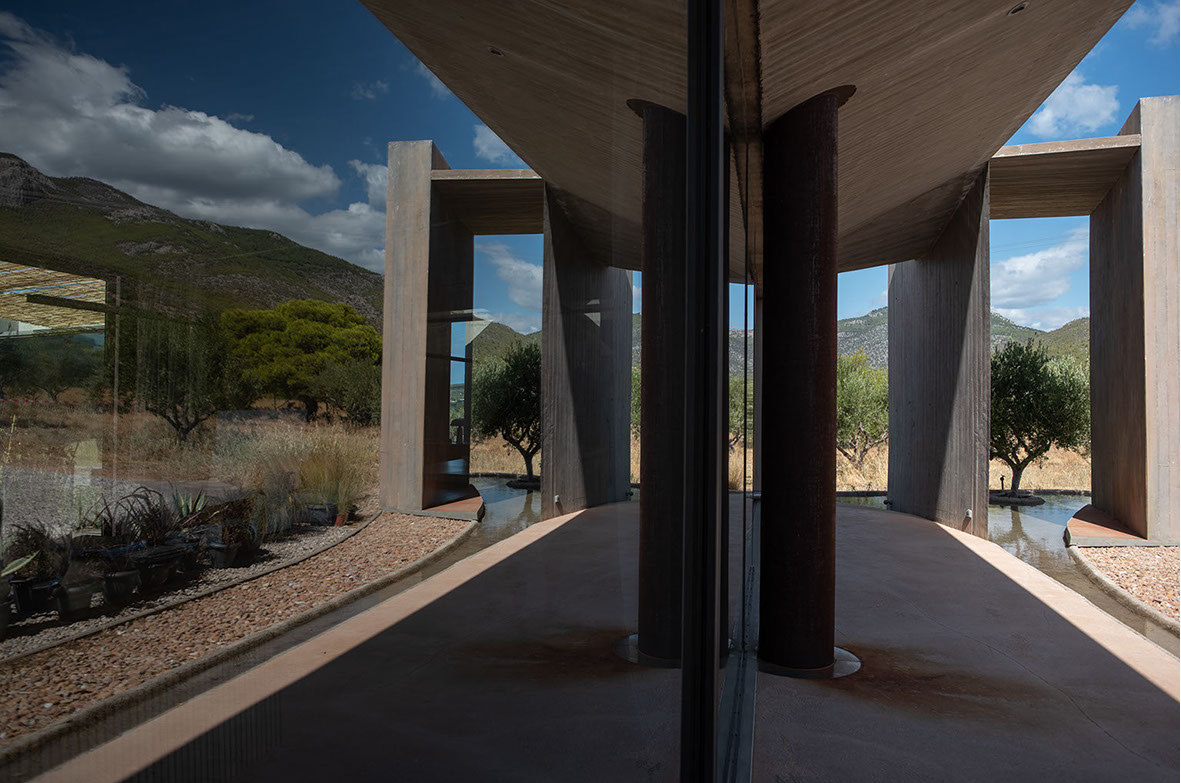
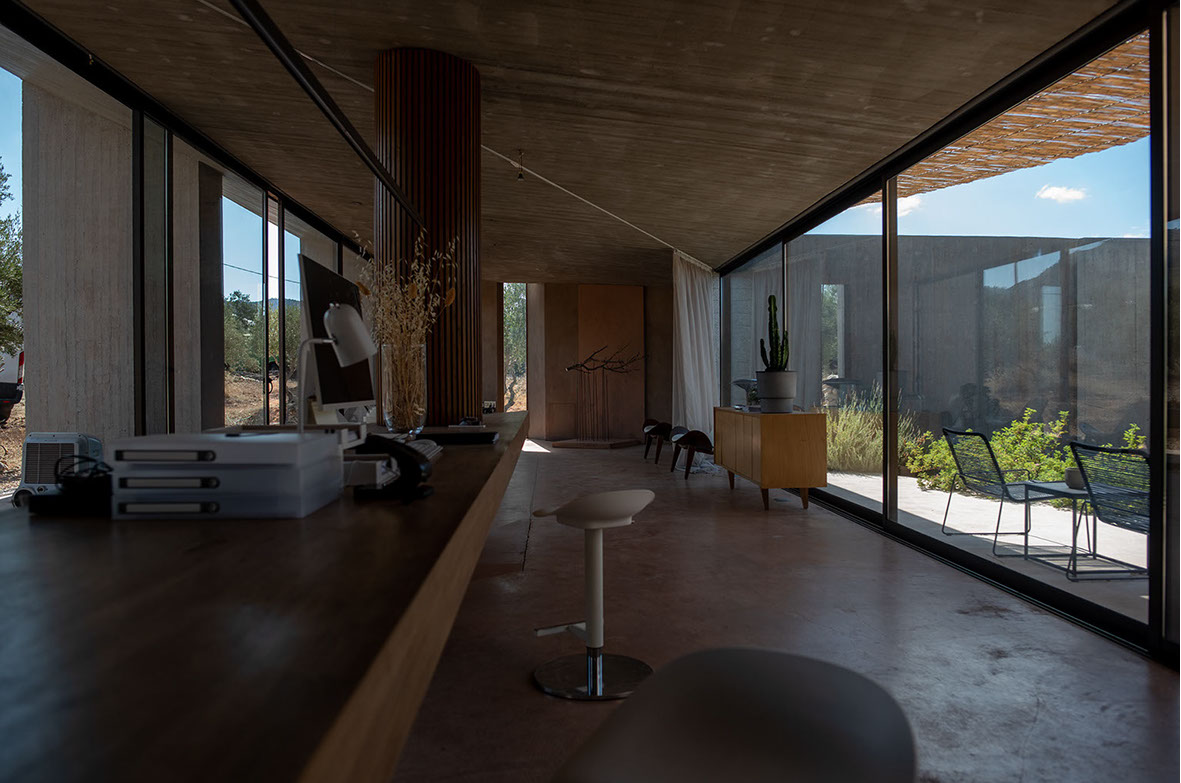
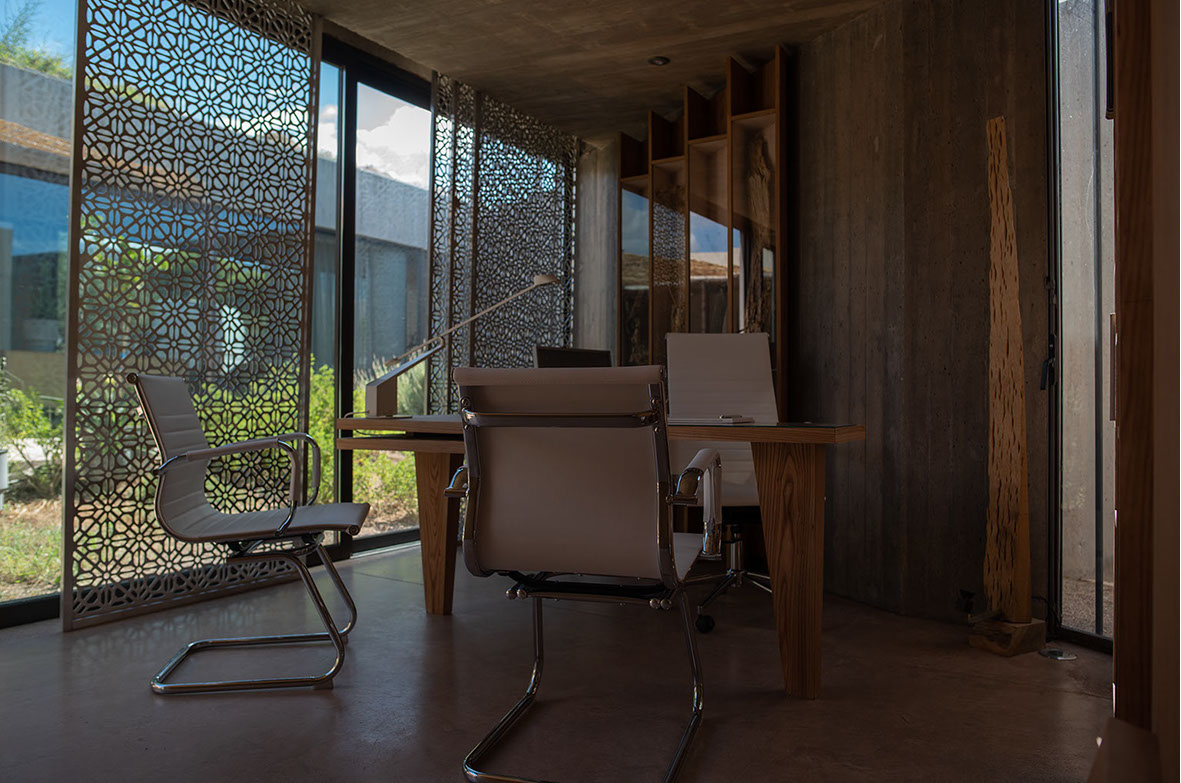
Gomez’s clinic was different. His character resists definition—he could be a healer, a manipulator, a philosopher. We found a villa that felt just as ambiguous. It was triangular, almost aggressively simple, to the point of abstraction. Not comfortable, not even practical, but powerful. It reminded me of a modernist cathedral, or a scientific monument. I followed its geometry when designing the furniture, trying to echo its logic rather than soften it. We added Moorish-patterned screens to control light and shadow, to create depth and layers. Even the exterior had to change—what was once a wild olive garden became something more controlled, more deliberate. None of this would have been possible without Liza Tsouloupa and the Greek art department. She wasn’t just executing ideas—she was shaping them with me.
Gomez clinic sketches



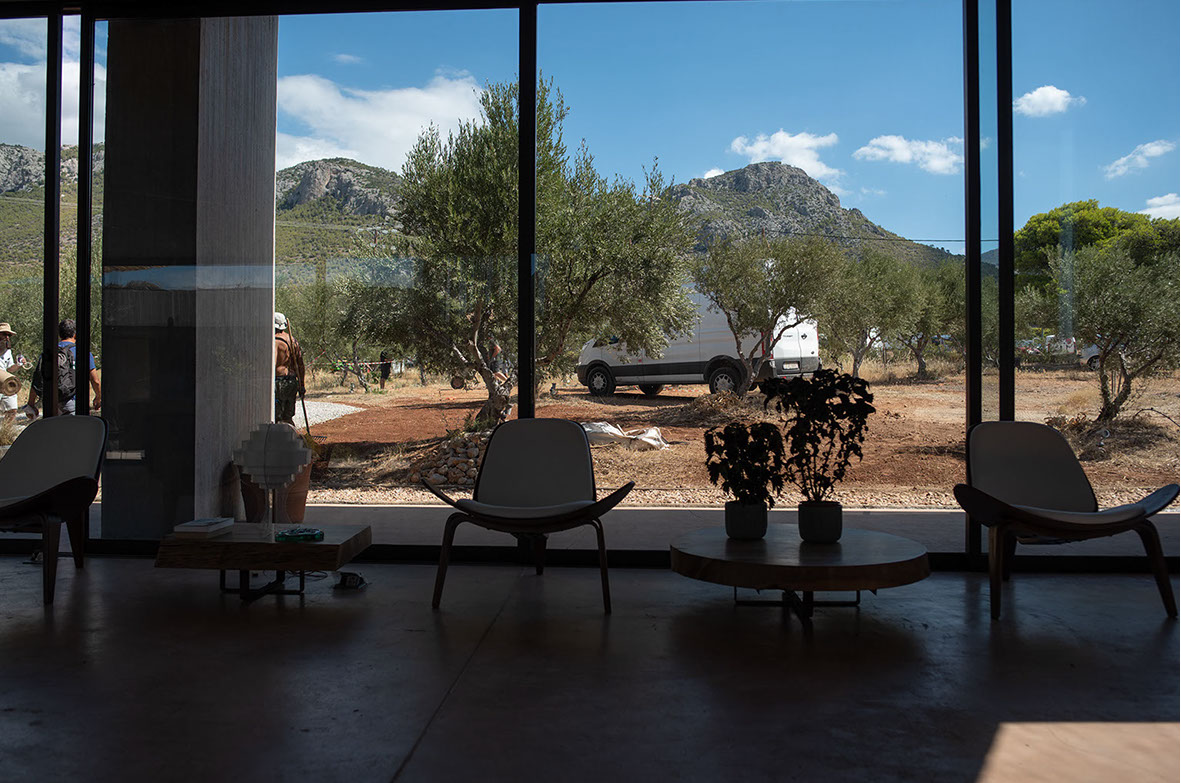

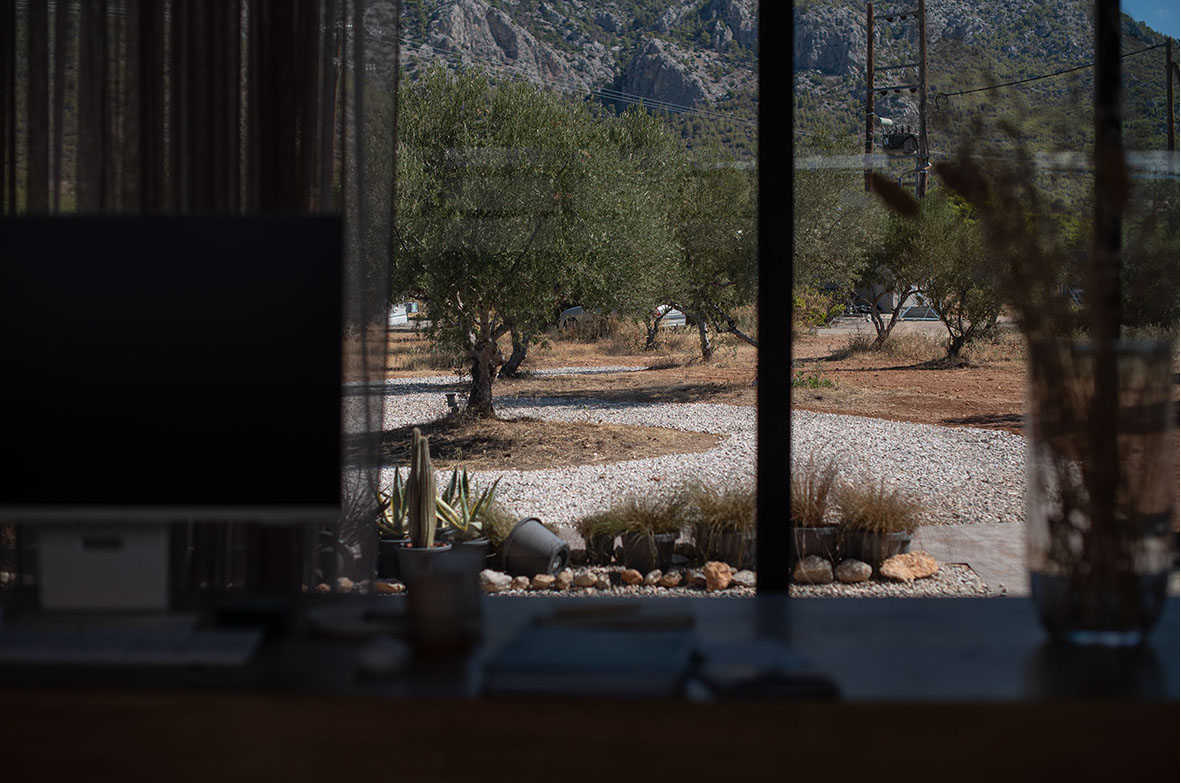

At some point, I realized that the film didn’t need more—it needed less. In cinema, so much is about directing attention. We hide things so that something else becomes visible. I began to think about emptiness as a tool. Limited color, open space, silence.
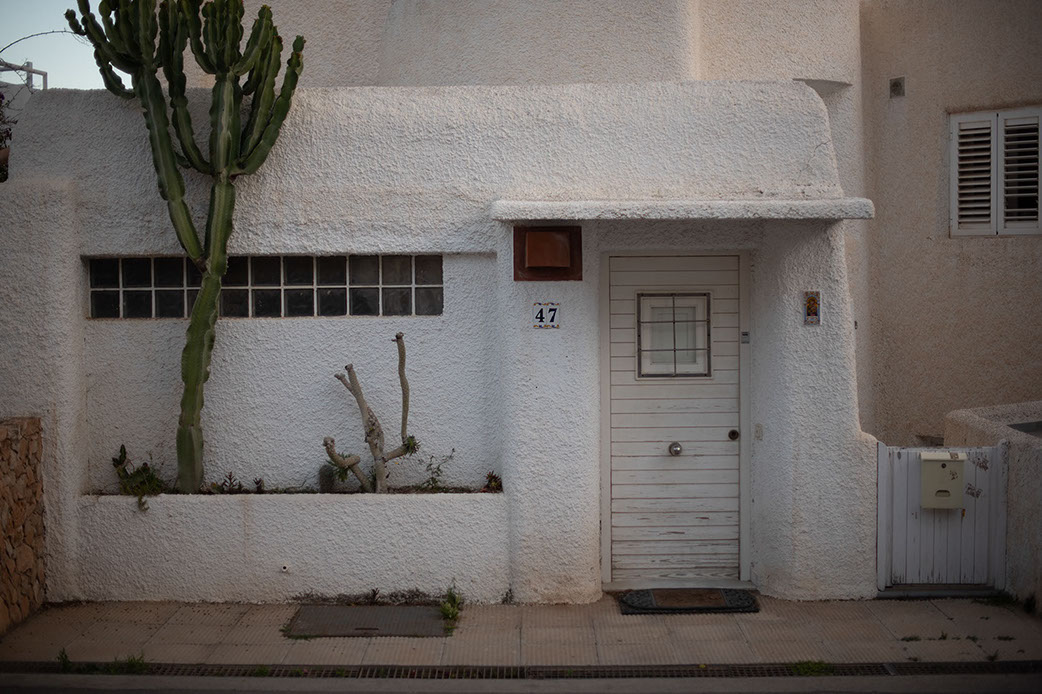
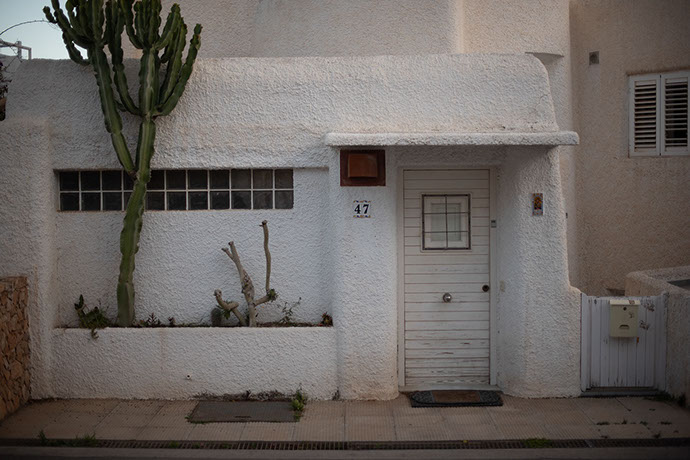
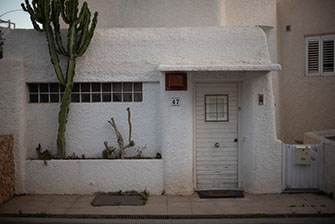
In Almería, I was drawn to traditional houses that turn inward, closing themselves off from the outside world. From the street, they appear blank, almost secretive. Everything happens inside, around a hidden patio. I loved that tension—the sense that something exists, but you’re not allowed to see it. It felt close to the script itself, to its ambiguity. Those walls don’t explain anything; they invite you to imagine.
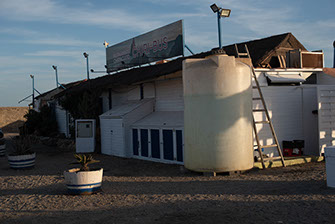
The beach was another challenge. Greek beaches are narrower, more contained. Almería has a different scale—something more expansive, more exposed. To bridge that gap, I introduced a lifeguard tower inspired by the ones I saw in Cabo de Gata. It helped stretch the space, give it a different rhythm. It had to feel light, almost temporary, but still withstand the wind.
Some locations needed very little from us. Aris Maleas, our location manager, brought us to a remote beach that felt almost unreachable. It took time to get there, but the producers supported it. The place was already alive—filled with makeshift structures built by artists from driftwood and debris. We didn’t need to impose much. Just small gestures, a bit of comfort, and it became Ingrid’s hidden world.
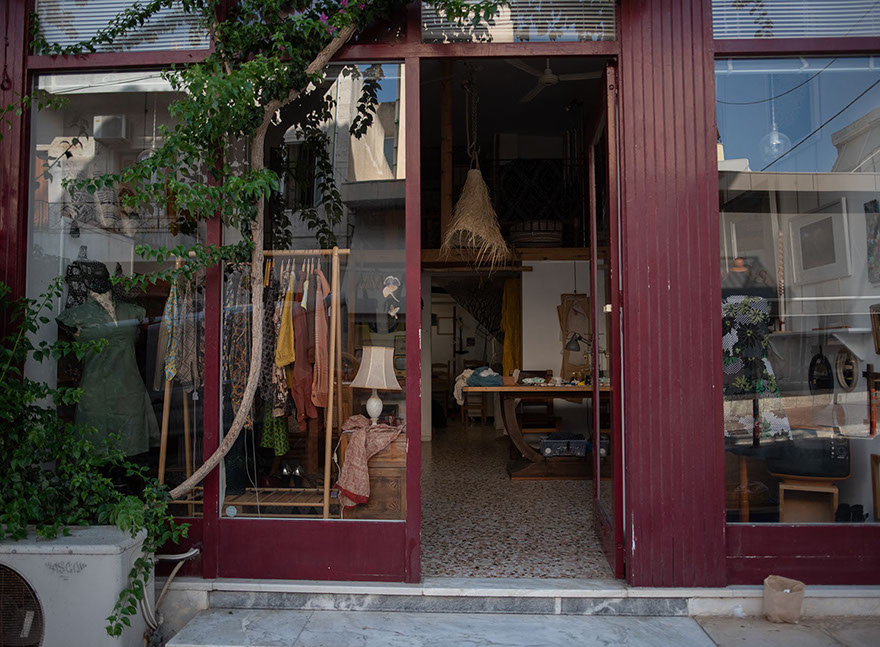
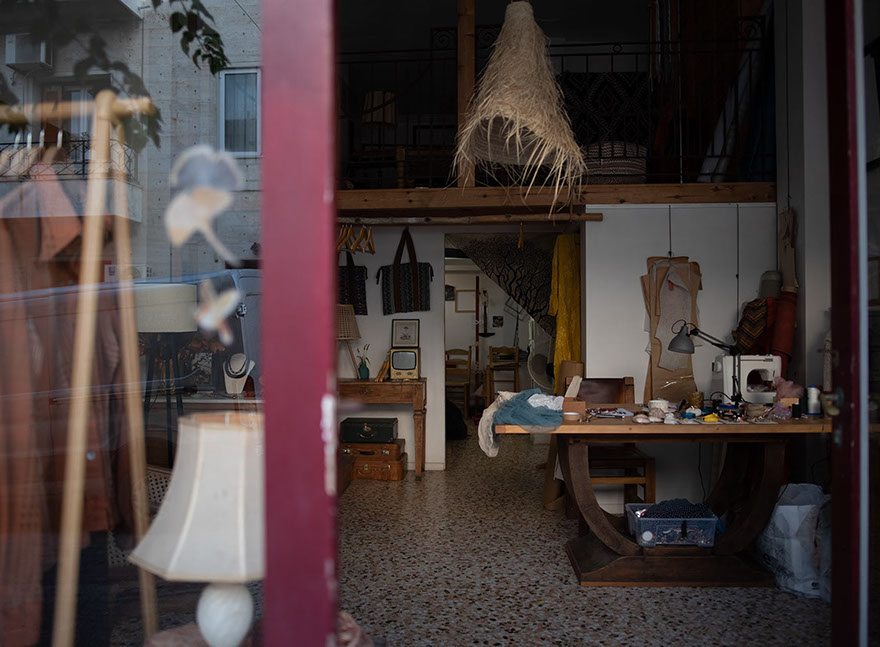
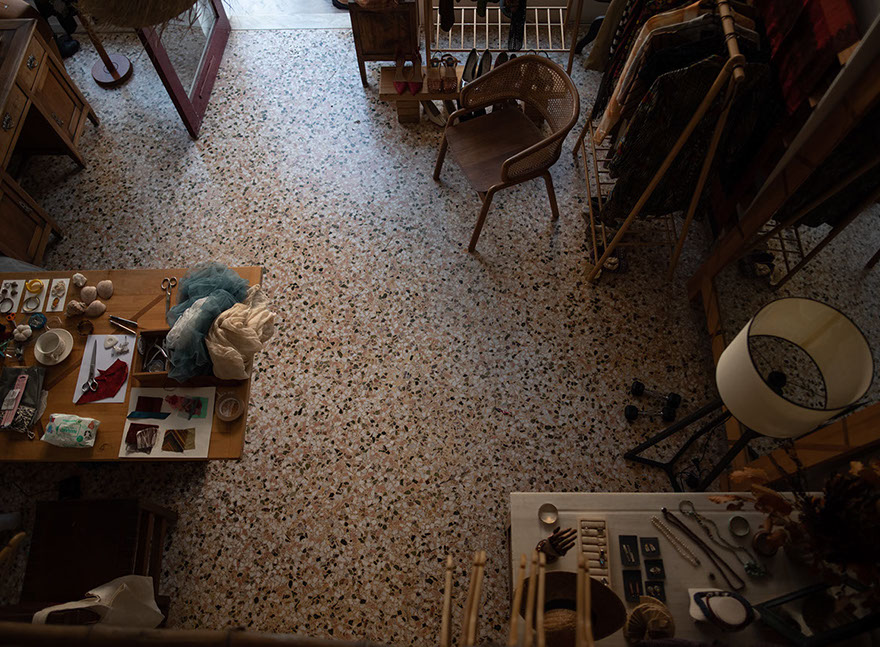
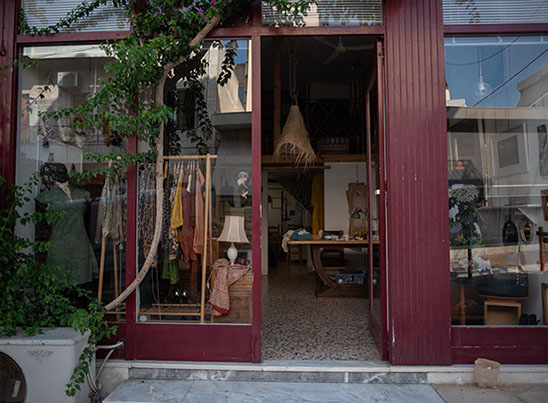
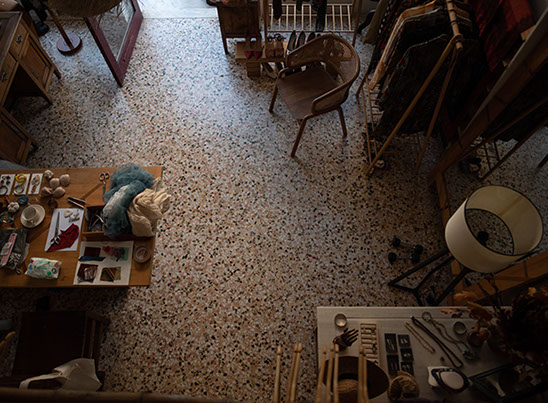
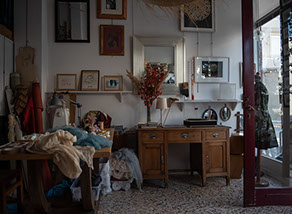
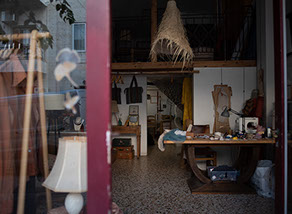
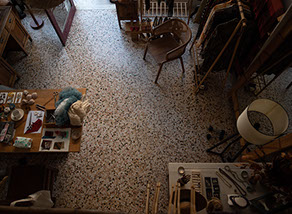
Main Vicky's character location was an atelier. Her personality was in transforming spaces, so did we. That one we converted from a frame shop.
Atelier sketches


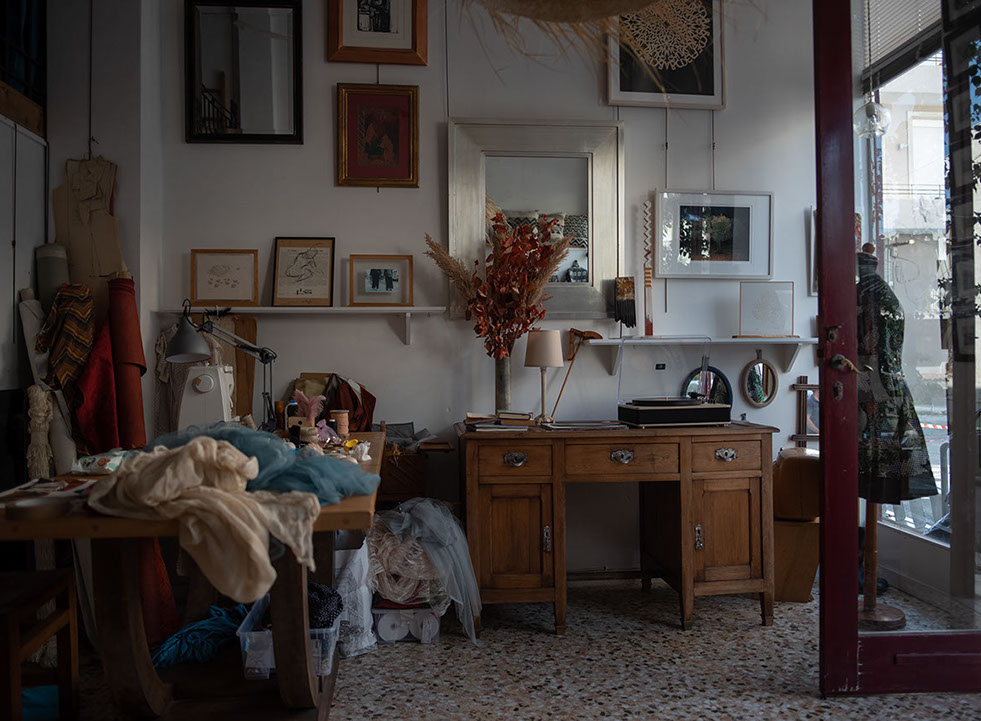
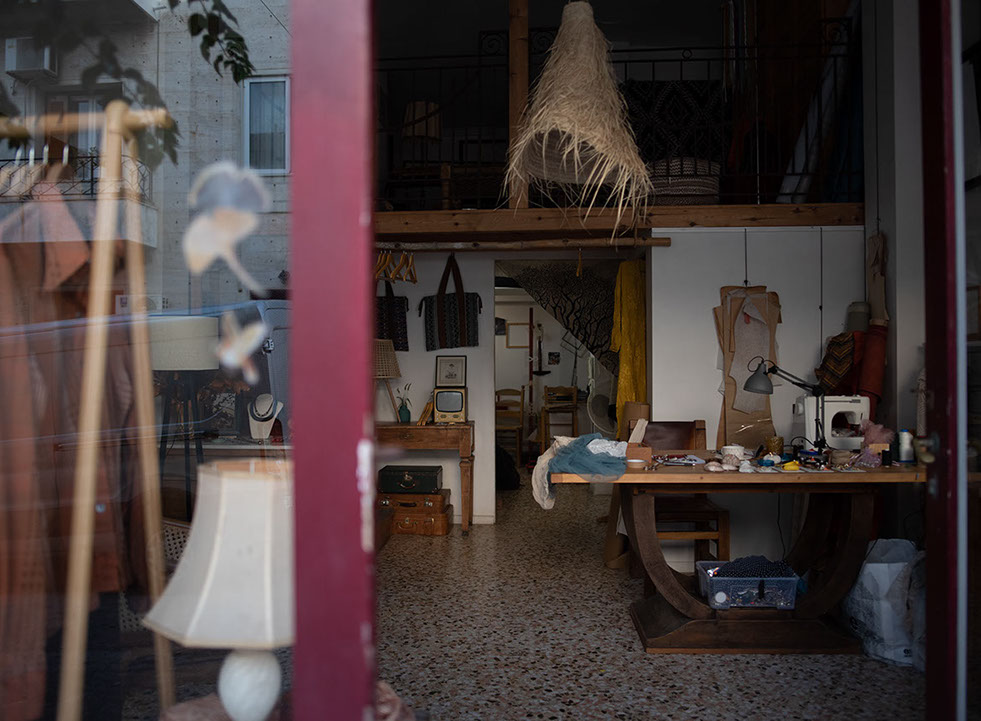

I always love the idea of repurposing locations, using a place for something other than what it was designed for. Through history and depth it forms their character. One such place was an artist’s studio that had been converted from a car repair shop. Surprisingly, it didn’t require much modification.
Art studio sketch
Another Vicky's place was her secret hideaway home. The cabin in olive garden was immediately perfect outside, however some minor adjustments had to be done for the interior. Tender love scene happens here and I wanted it to be soft and empty. As a shed for garden instruments it was quite primitive with harsh wall texture and heavy windows. I needed some elegance. I kept it minimal, but changing walls texture and windows was essential. To my enterprise, it was impossible to find simple birch plywood, so we ended up with veneer.
There’s a theme in the film about being lost. But not in an obvious way. Sometimes it’s in empty landscapes, like the cement factory. Sometimes it’s in constructed spaces, like the small playground we built on a pier. And sometimes it’s in the presence of other people. Being surrounded doesn’t always mean being found.
After many years of working in Russia, Hot Milk became the first film I shot abroad. On the eve of the first shooting day, I was talking with Lisa about different on-set traditions, and I mentioned one from Russia: before filming begins, the crew signs a plate with the film’s name, and after the first shot, it’s broken—each person keeping a fragment as a memory.
It was just a conversation. I didn’t expect anything to come of it.
But on the first day, Lisa arrived with a plate, exactly as I had described. When I saw it, I asked her not to say it was a Russian tradition, but to say it came from Cyprus instead. At that time, I carried a quiet, inexpressible sense of guilt about my country. I felt ashamed, and without fully realizing it, I was trying to distance myself from it—to make that part of me less visible.
Irina, our prop master, overheard the conversation. She took the plate and went straight to the crew, telling them where the tradition actually came from.
What followed surprised me. There was no hesitation, no discomfort. The response was immediate—warm, open, reassuring. No one tried to simplify it or turn it into something political. They simply made it clear that they didn’t confuse people with governments.
It was a small moment, almost insignificant in the scale of the production. But for me, it shifted something inside me—something quiet, but important.
Sometimes to create a set doesn't mean physical production. We had a night scene where Sofia and Ingrid had a conversation near lost fake tree in the desert, something left from previous film production. Initially, my approach was straightforward; to craft a fake tree, but budget limits pushed me on the other way. Sofia and Ingrid touch it in the shot and speak about it pity mockery. Sometimes what is spoken carries more weight than what is shown. I decided to use the real one and naming it fake in the shot made the trick.
I didn’t expect the shoot to feel the way it did. Calm. Open. Without tension. Rebecca and Chris Blauvelt created an atmosphere where ideas could move freely, where collaboration felt natural. Christine Langan and Kate Glover supported that completely. Even within limitations, there was no pressure—only a shared focus.
The Heretic team, Giorgos Karnavas and Danae Spathara, brought a generosity that made everything easier, warmer.
In the end, it didn’t feel like we were just building sets or finding locations. It felt like we were building something more fragile—something based on trust, on openness, on the space between what is shown and what is left unsaid.
And maybe that’s what stayed with me the most.
Director Rebecca Lenkiewicz
DOP Christopher Blauvelt
Production Designer Andrey Ponkratov
Set Decorator Liza Tsouloupa
Set Dresser Timoleon Pantazis
Scenic Painter Amalia Theodoropoulou
Standby Art Director Ermina Apostolaki
Produsers Christin Langan, Kate Glover,
Giorgos Karnavas, Danae Spathara