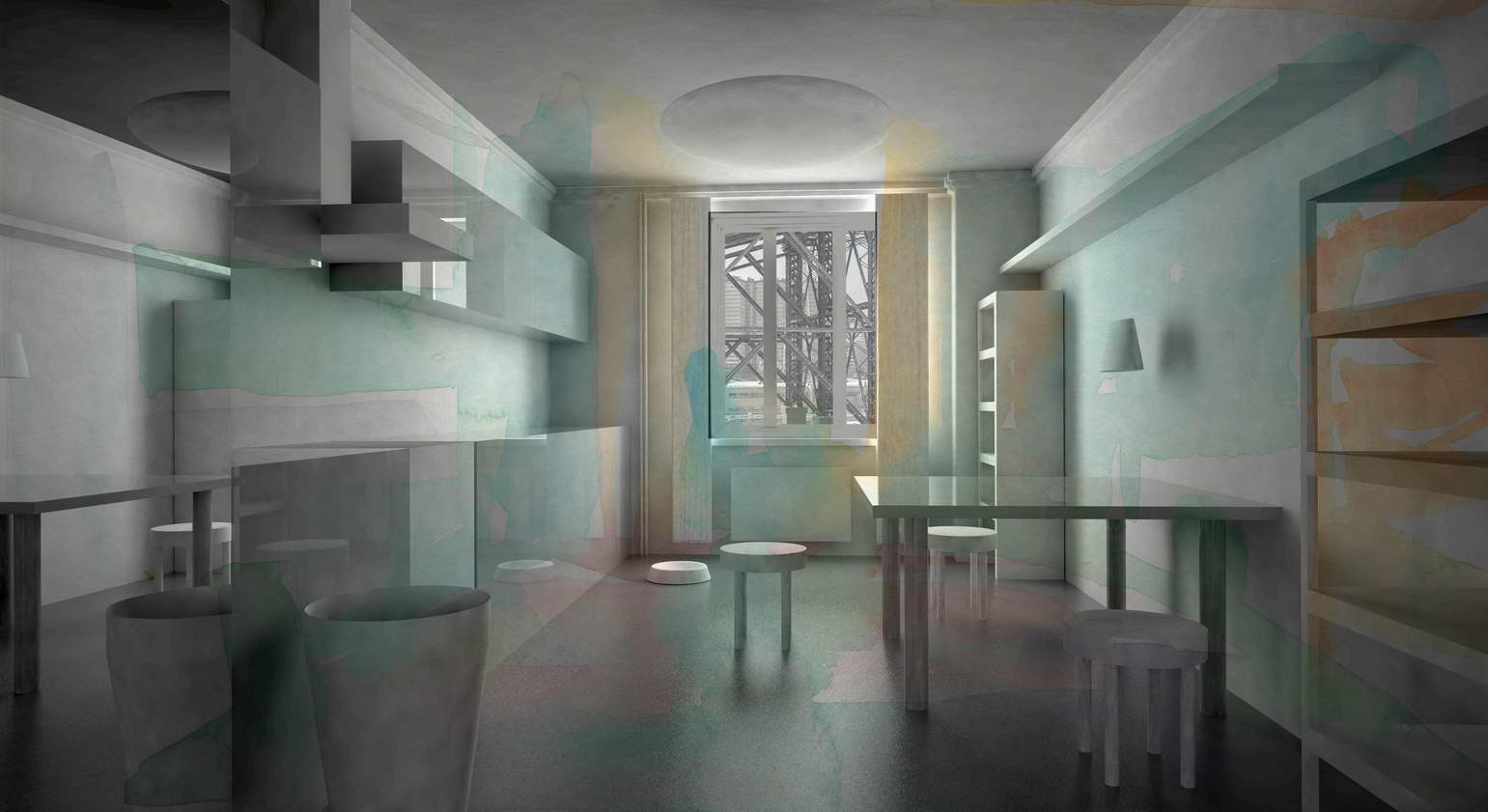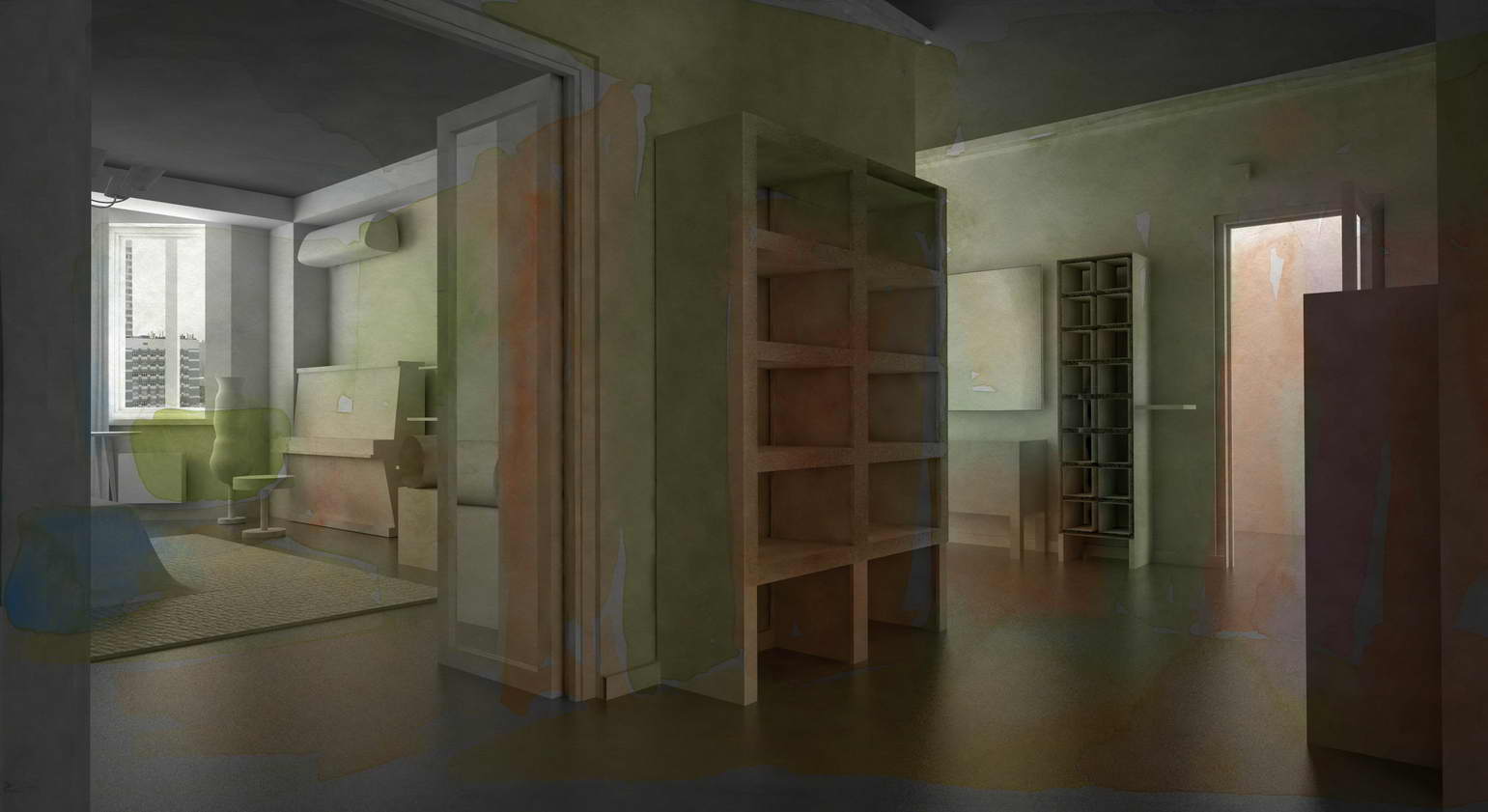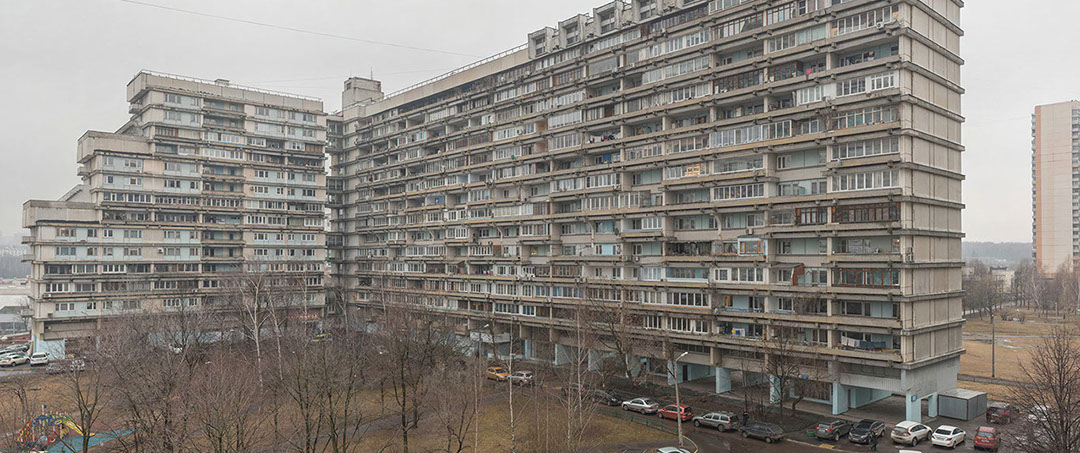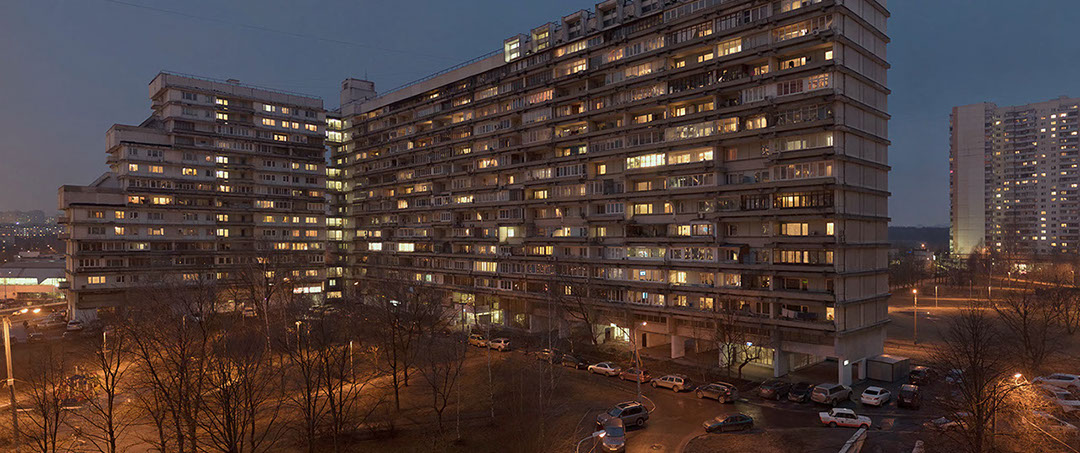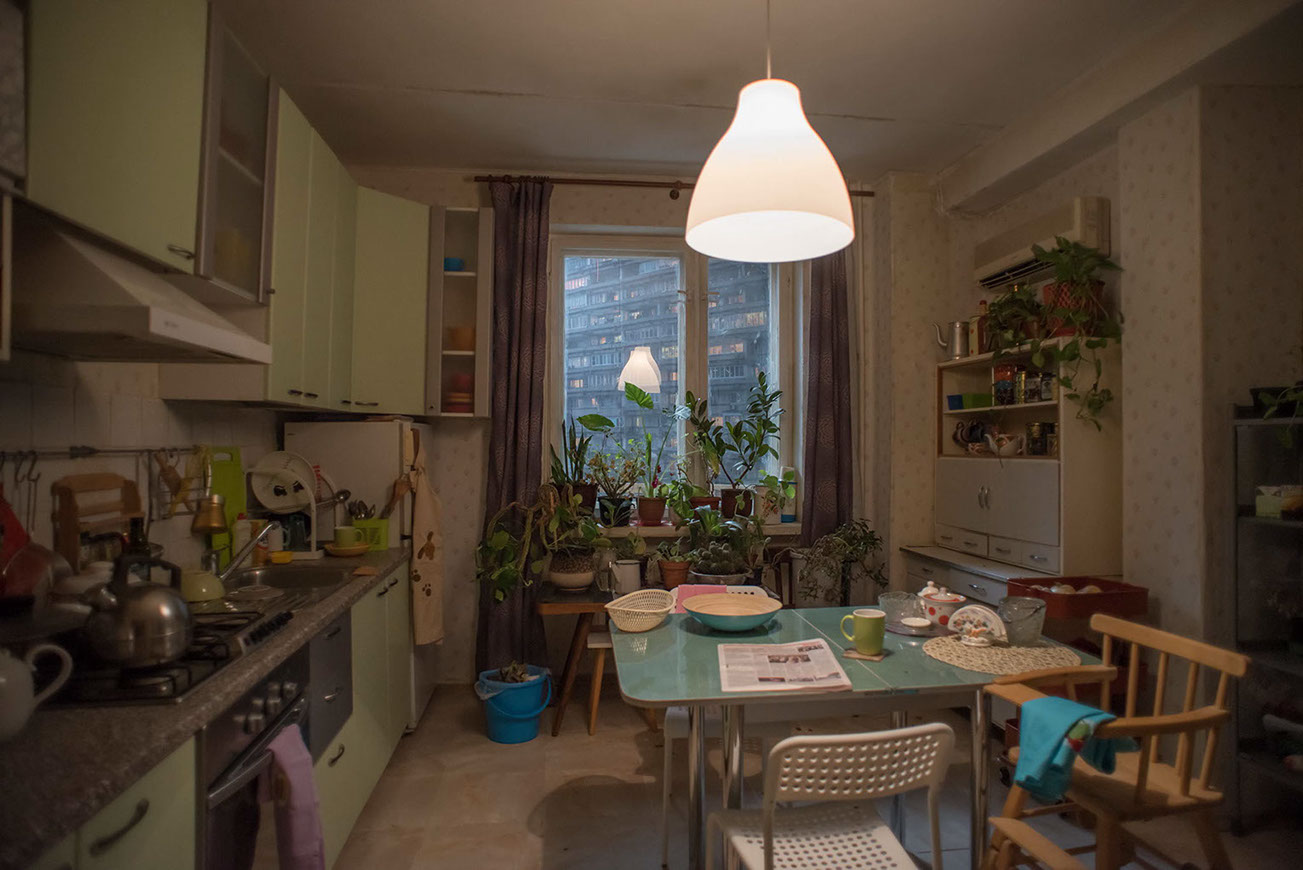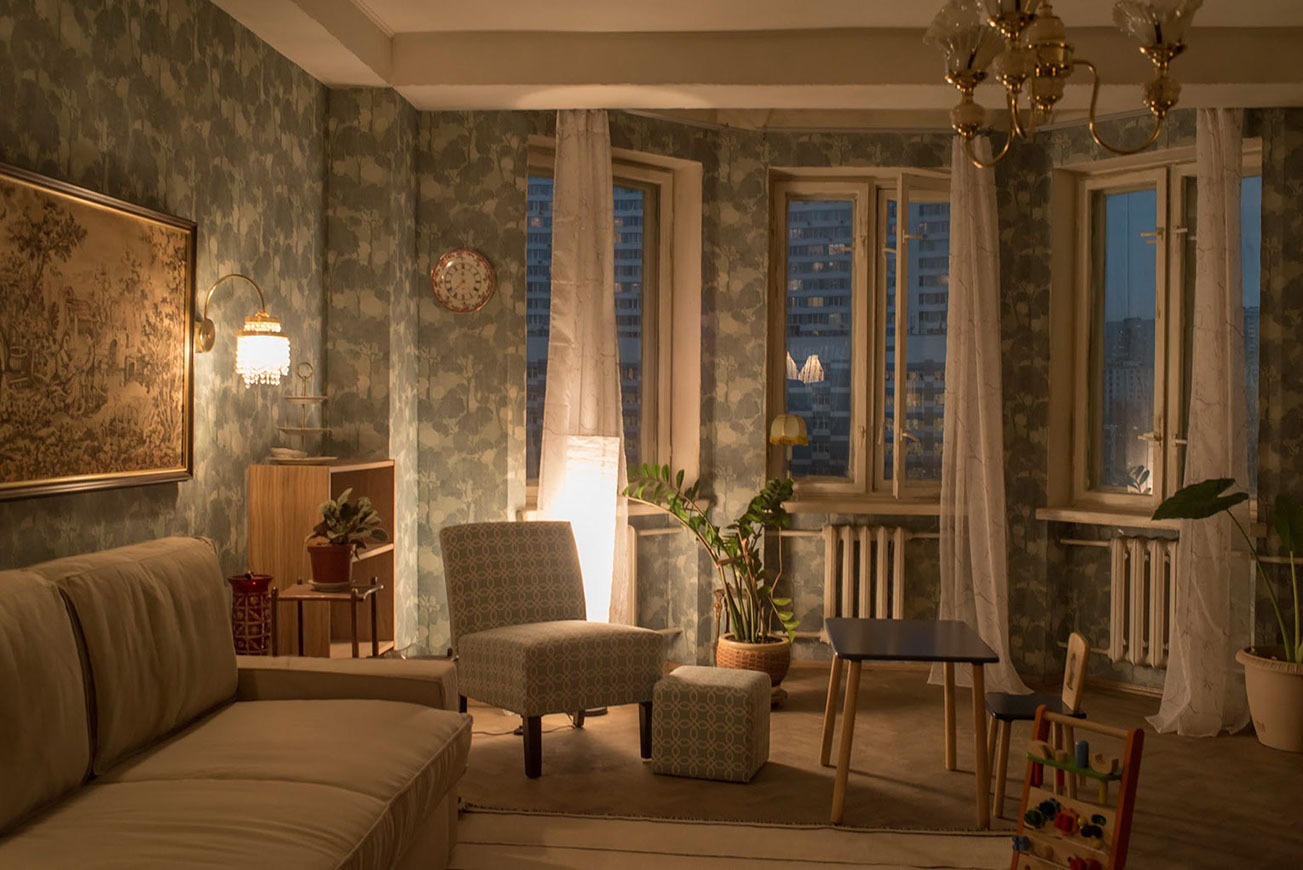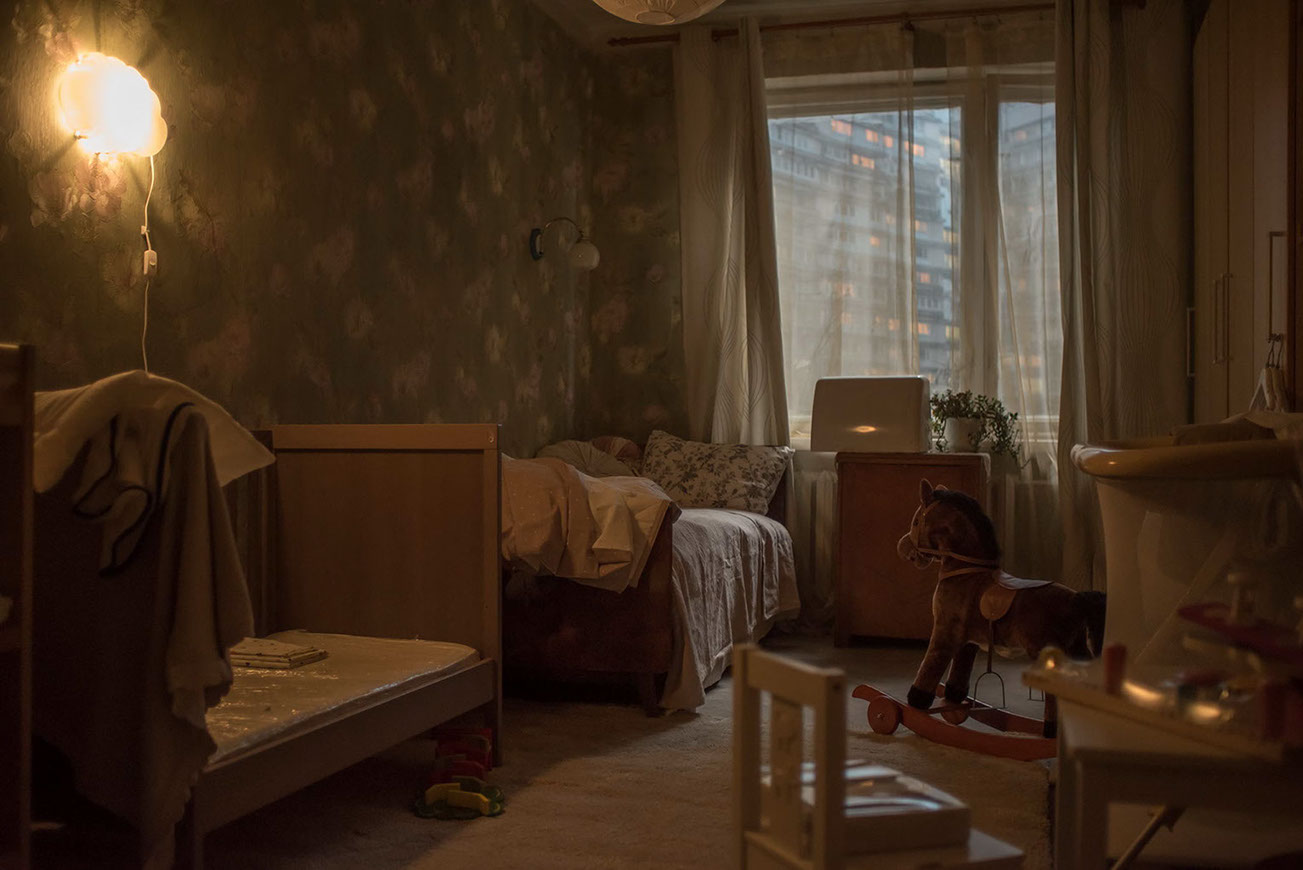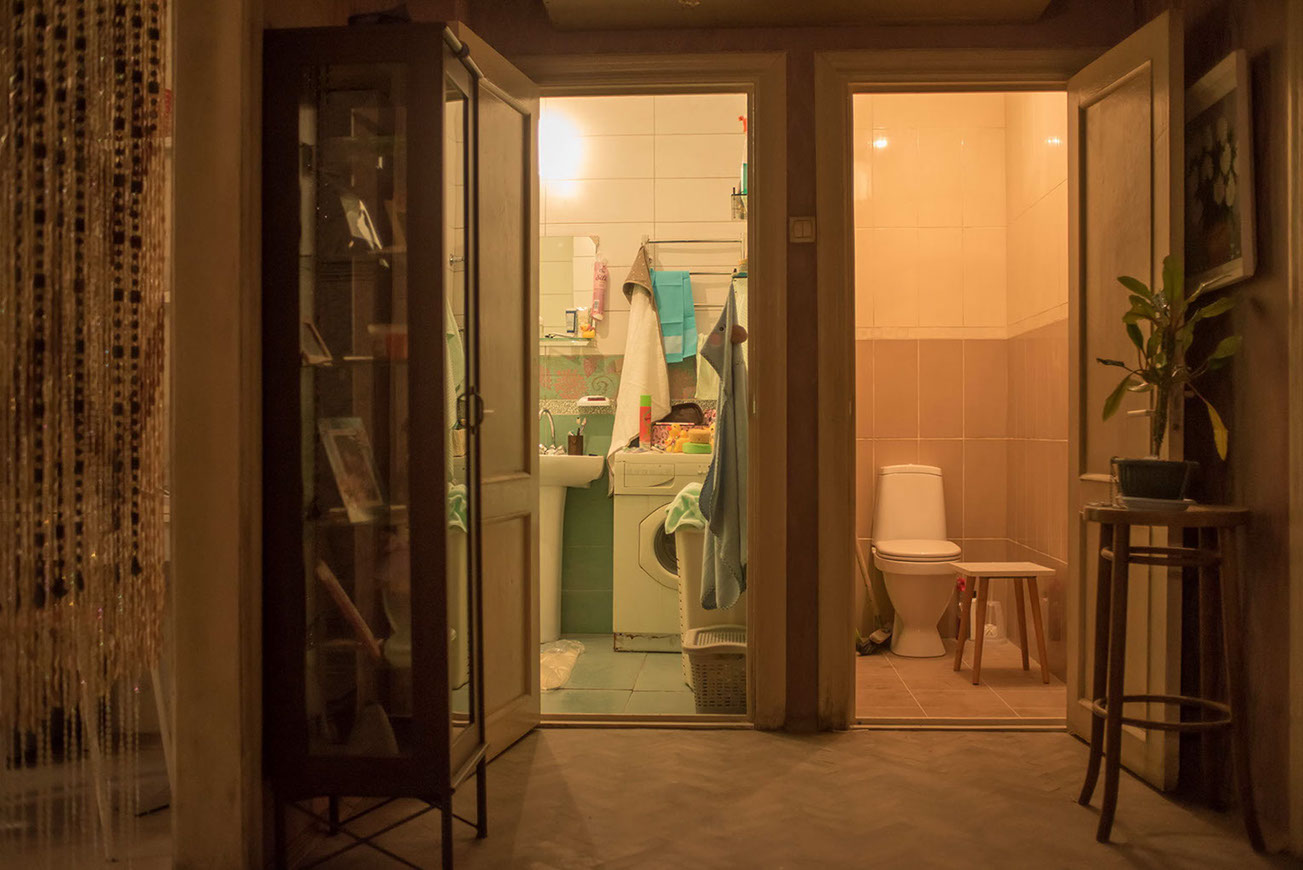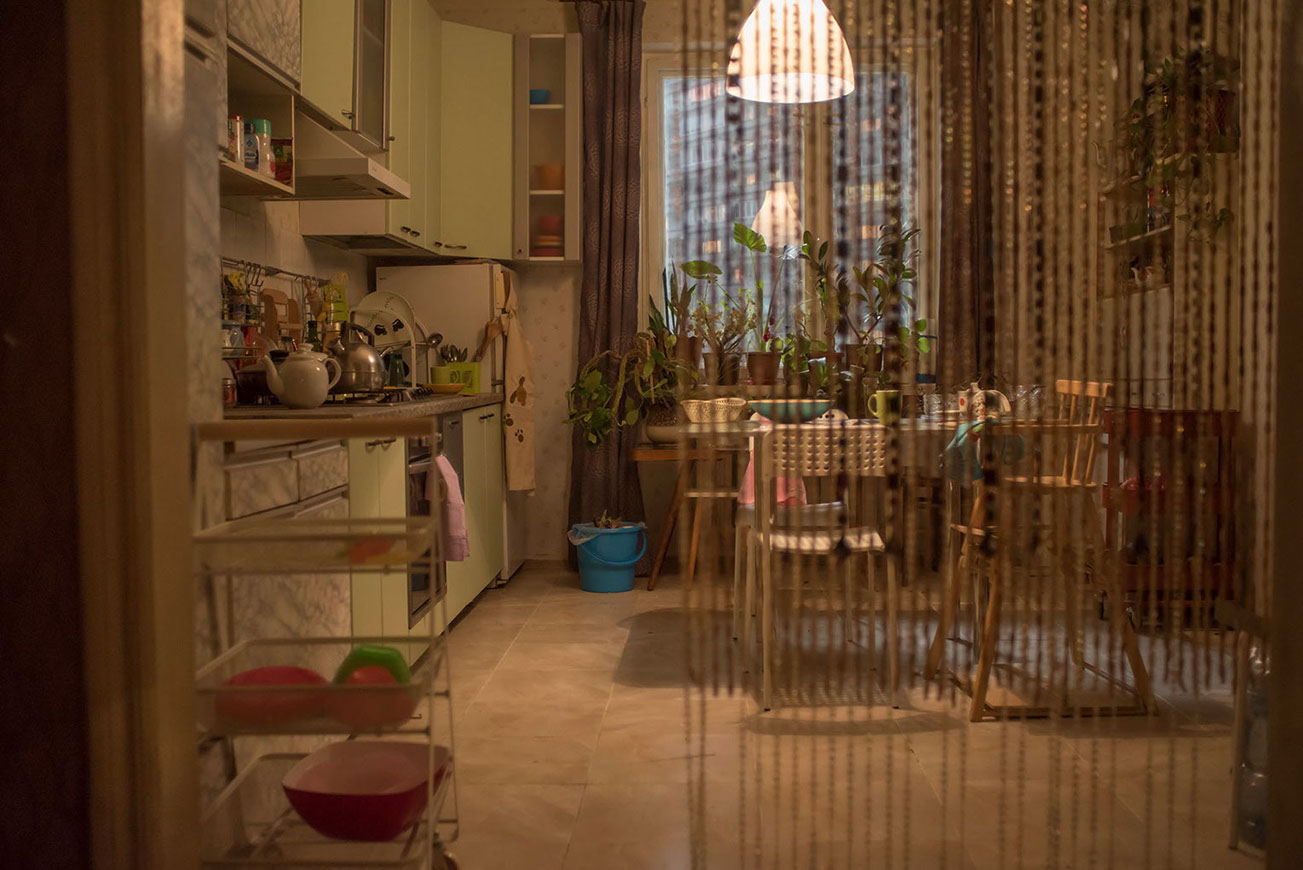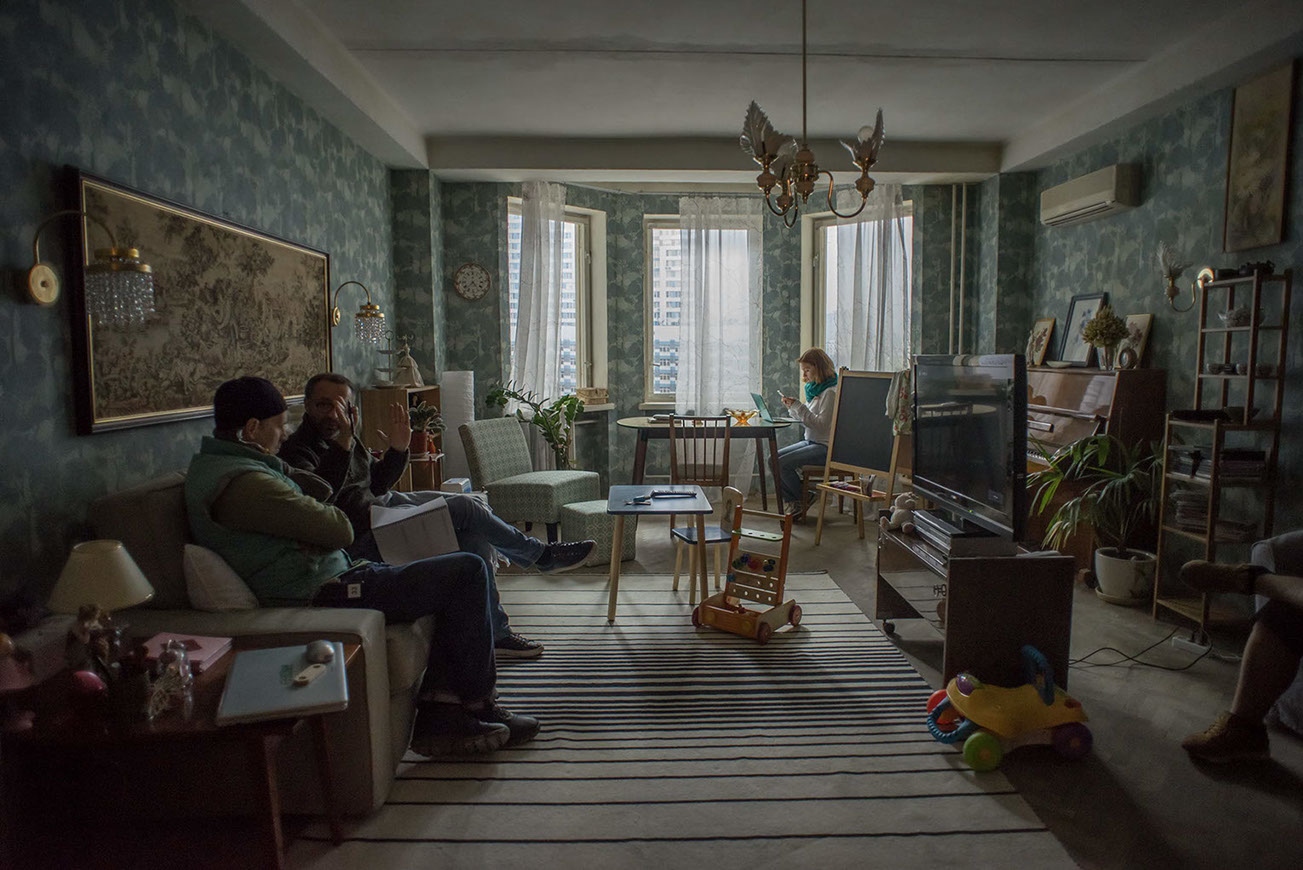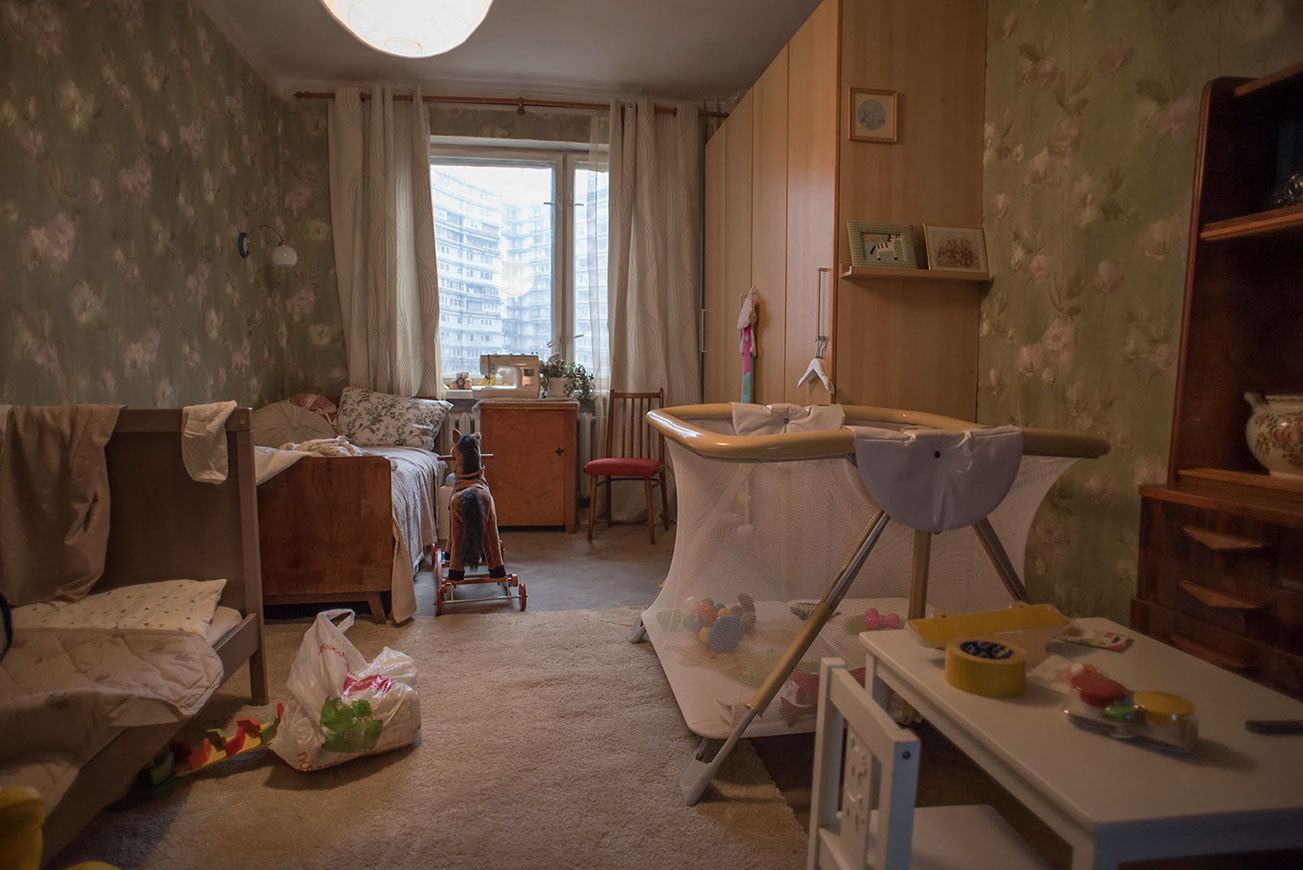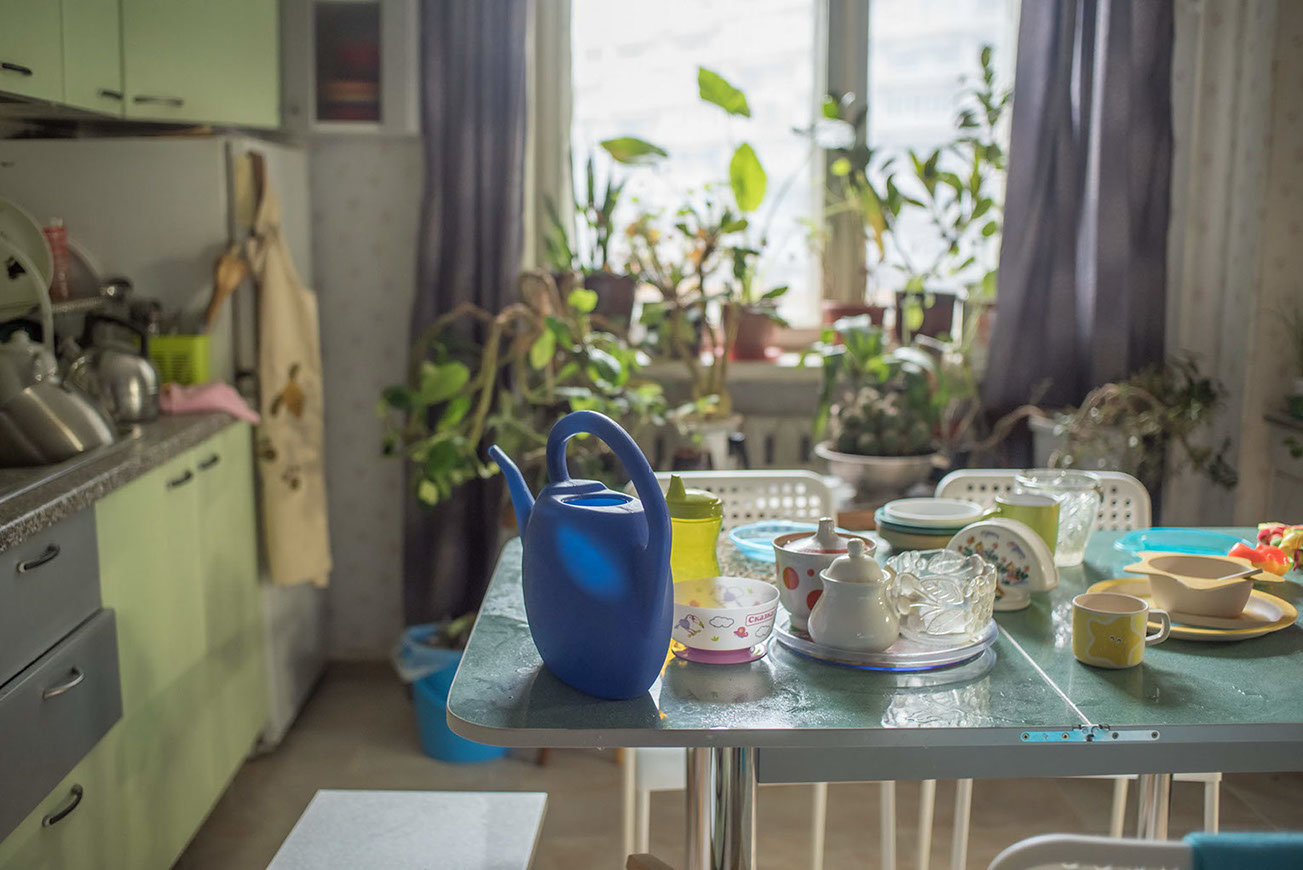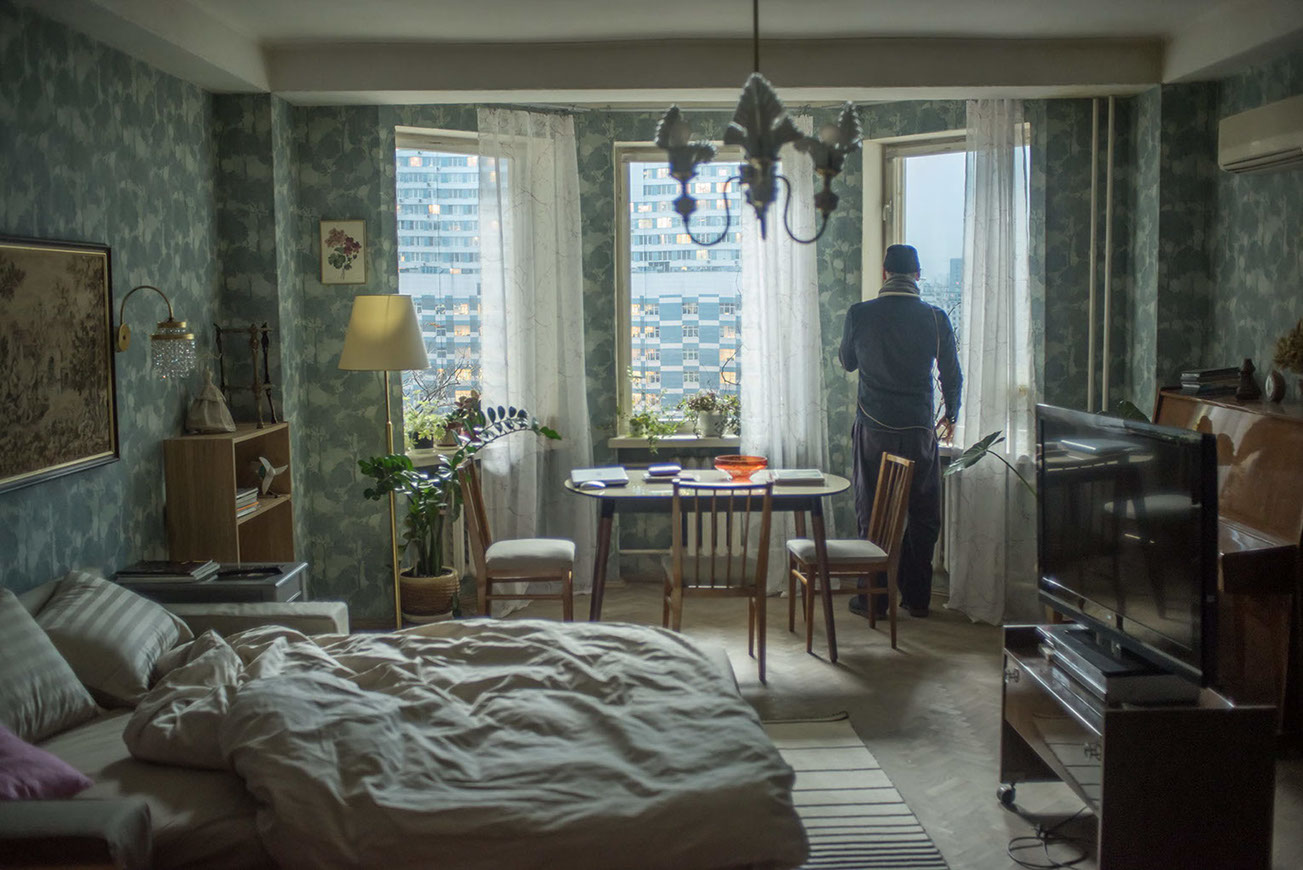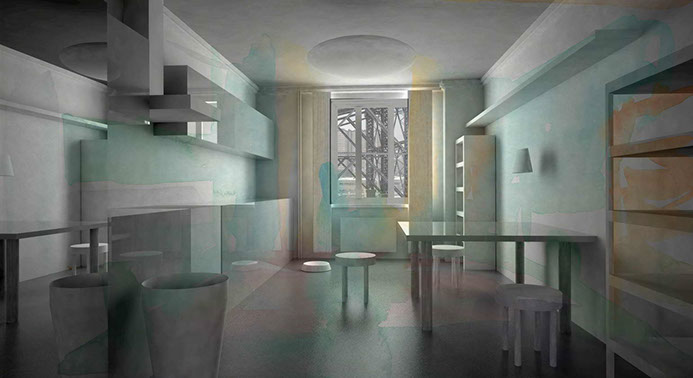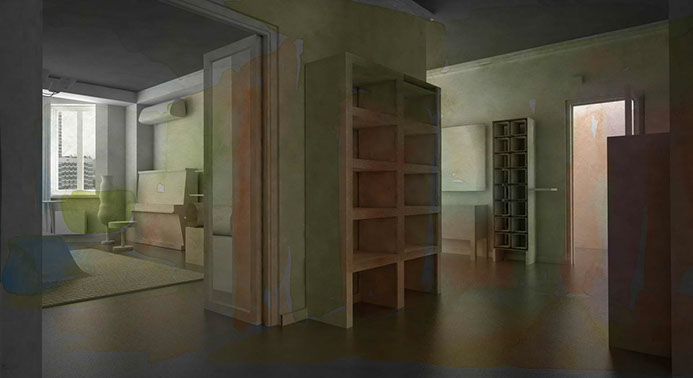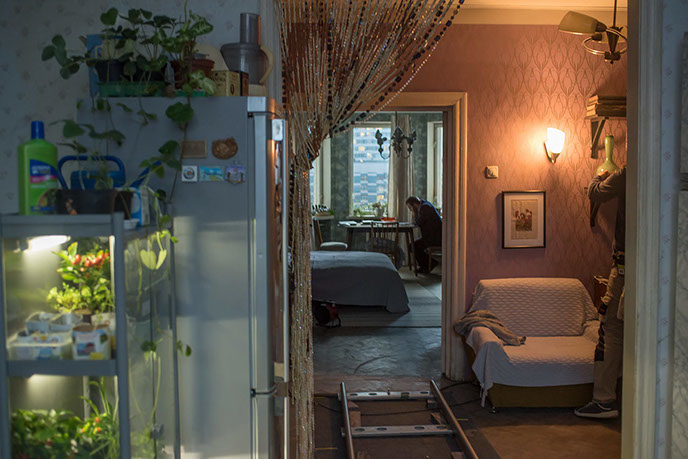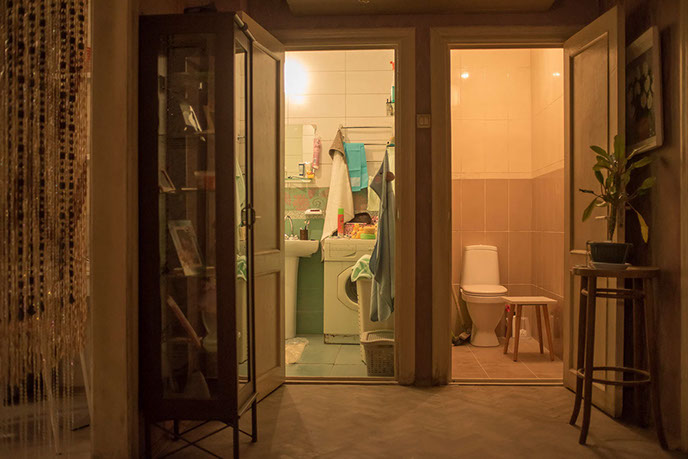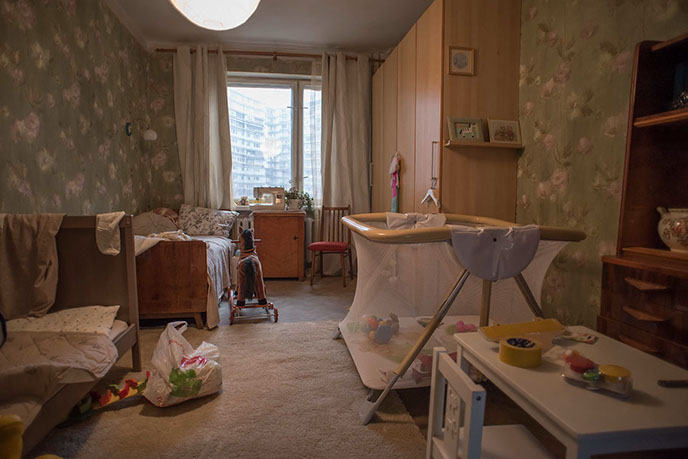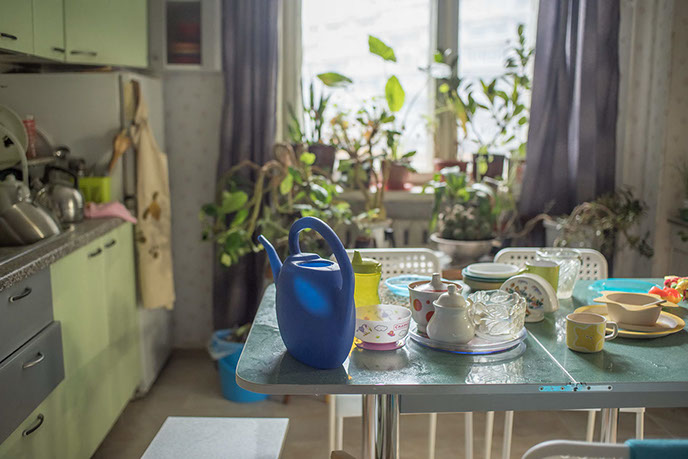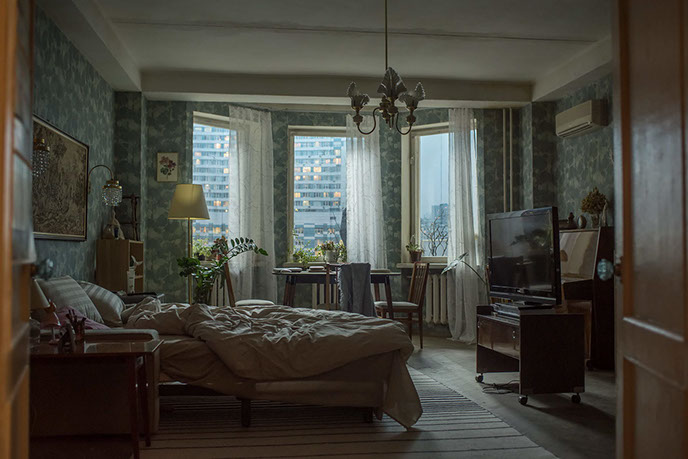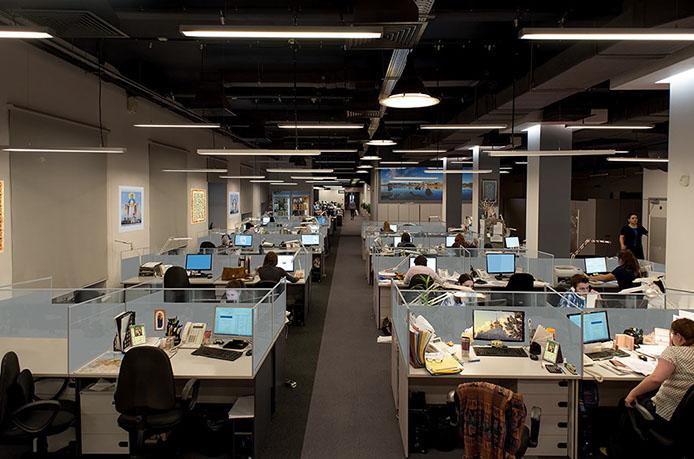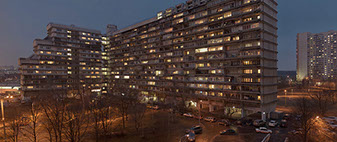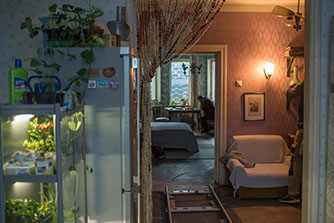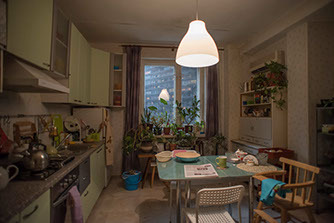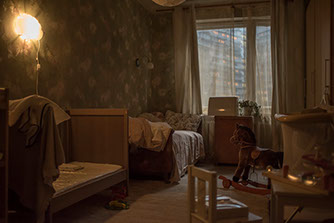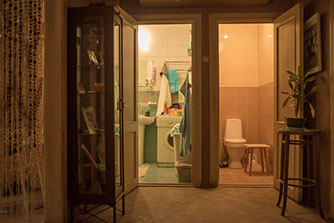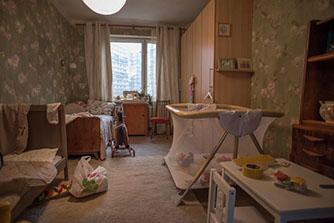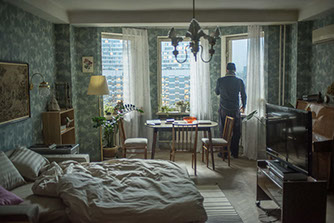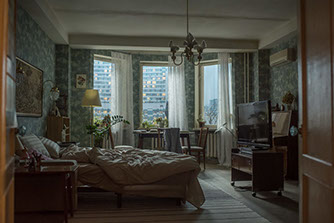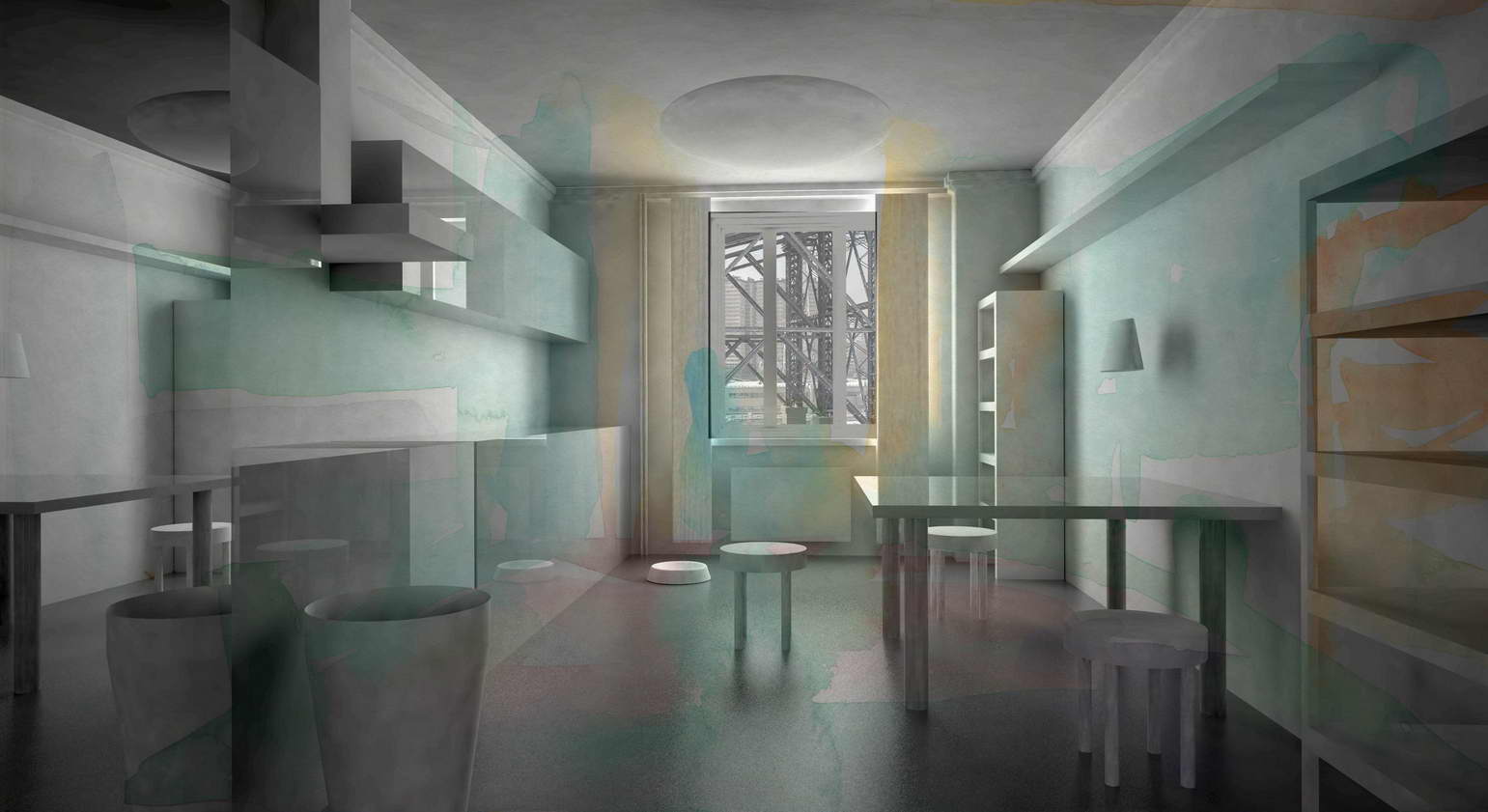

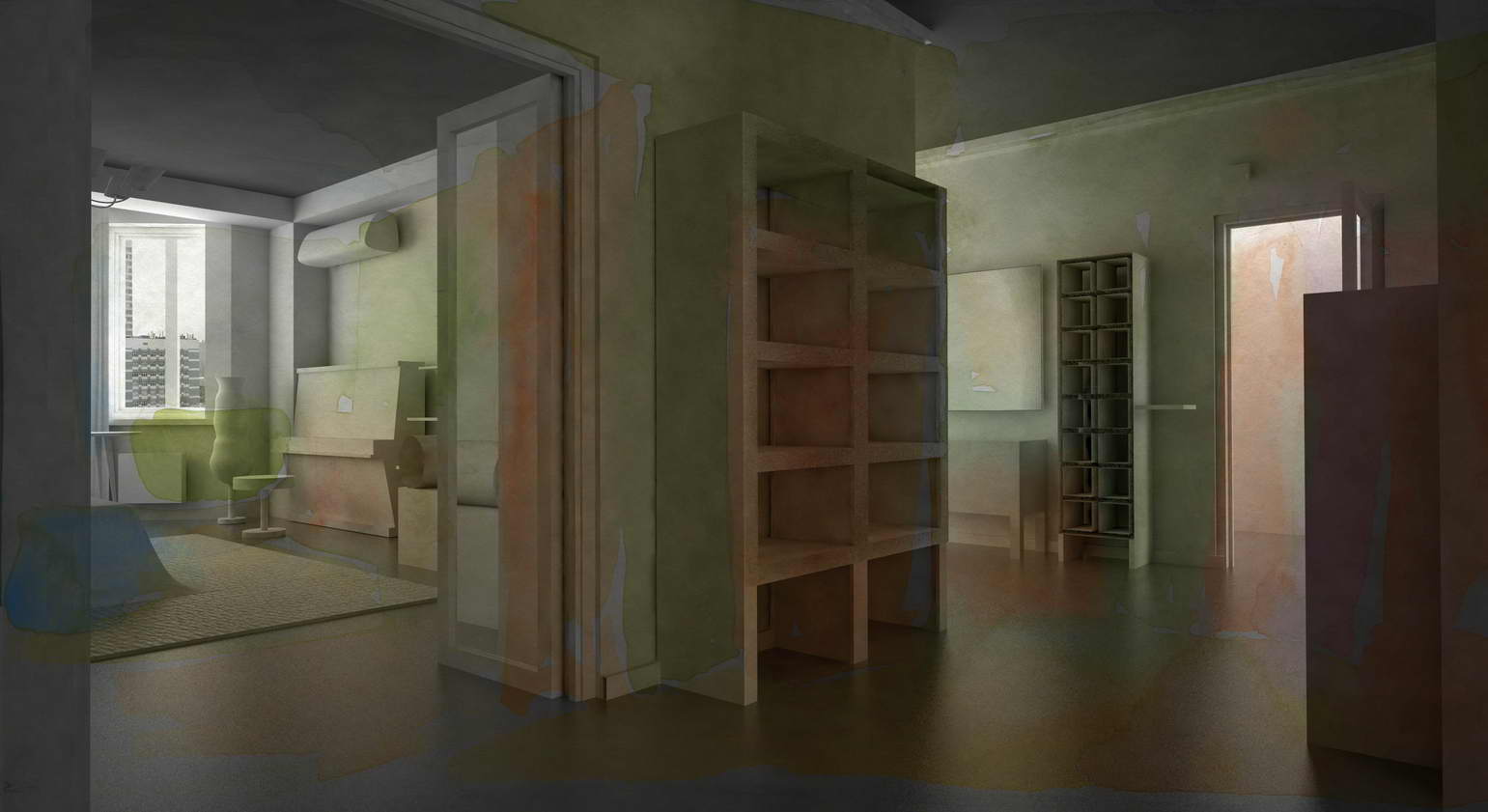

Boris apartment backgrounds.

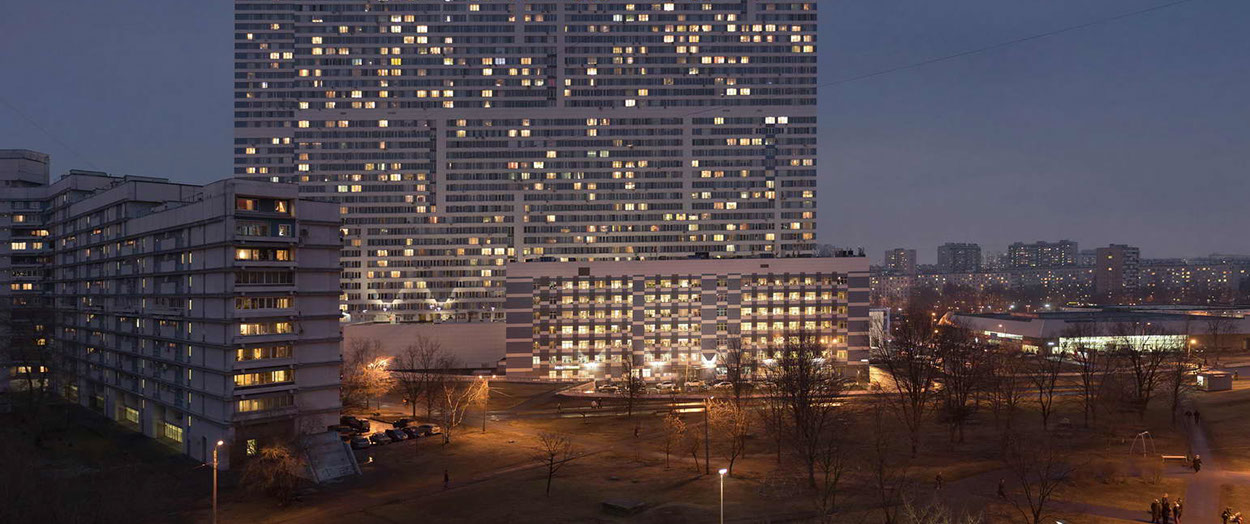


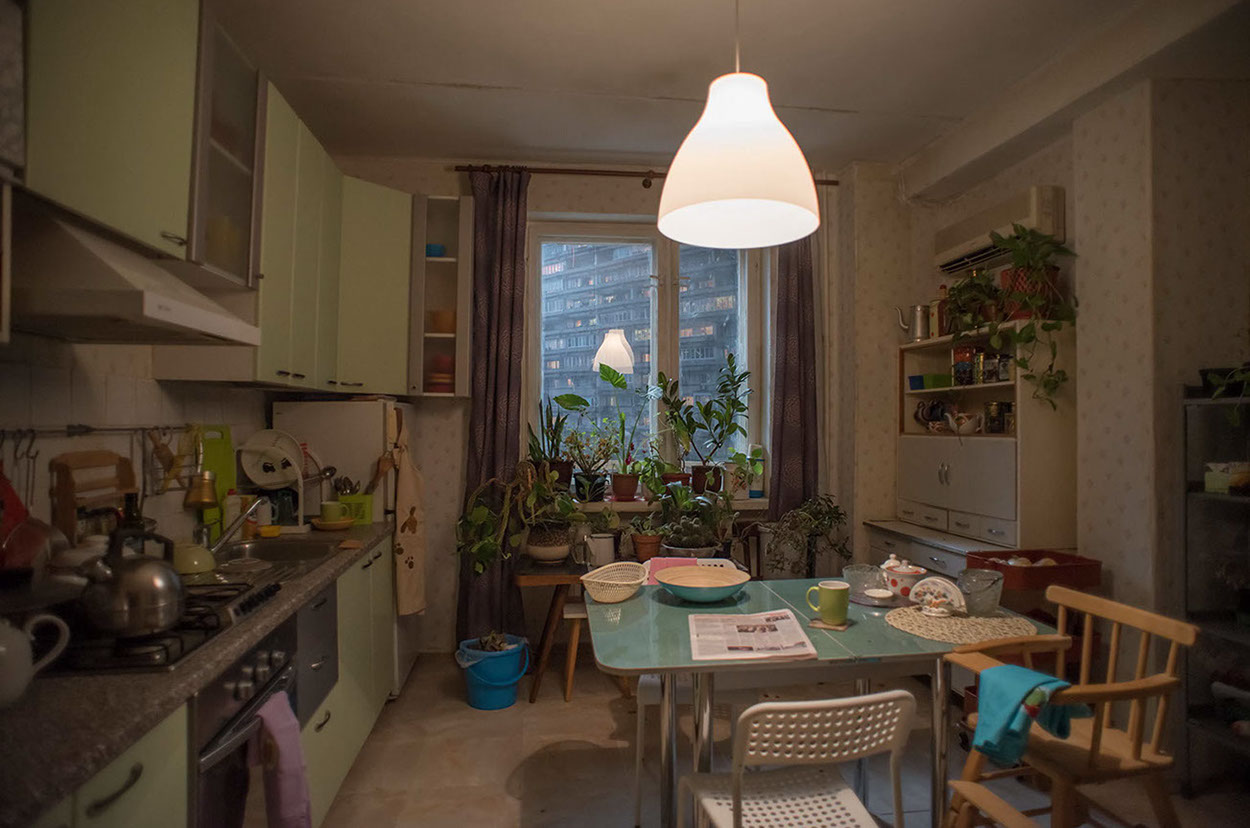
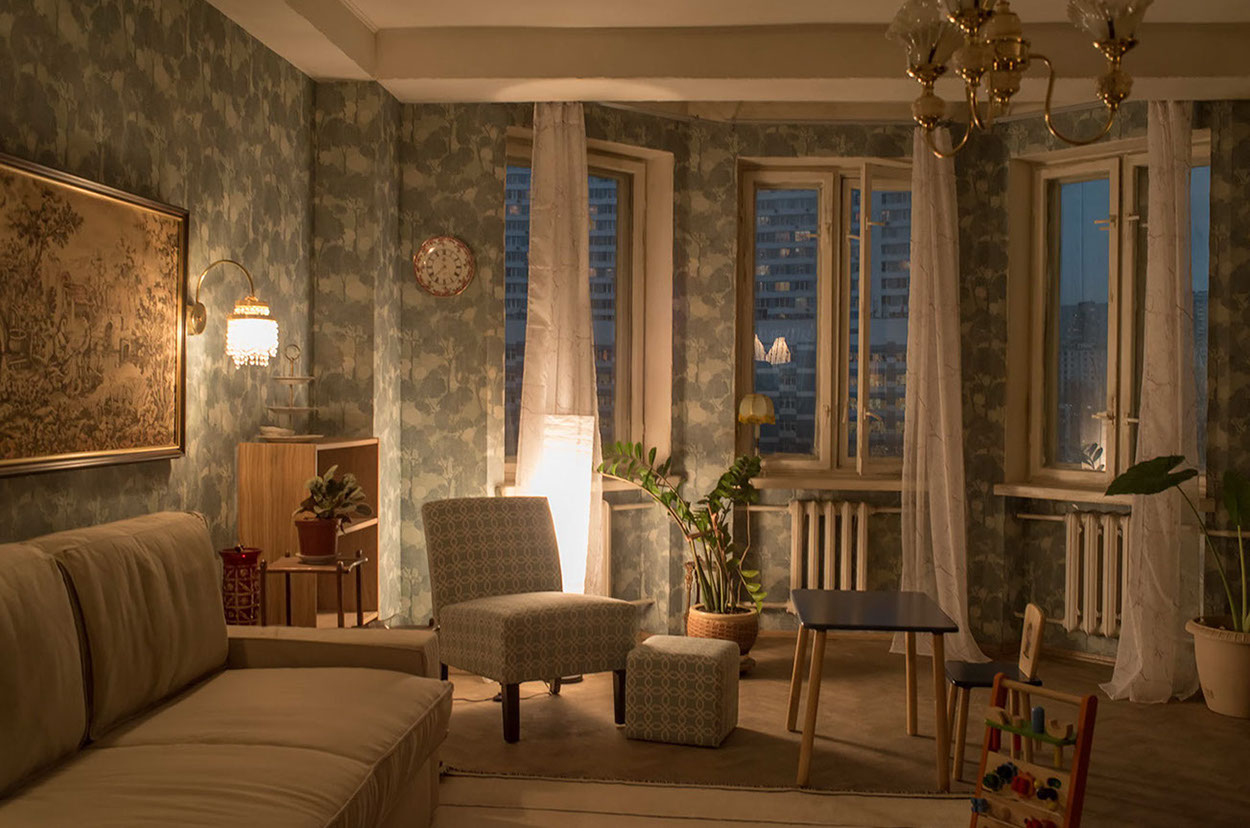


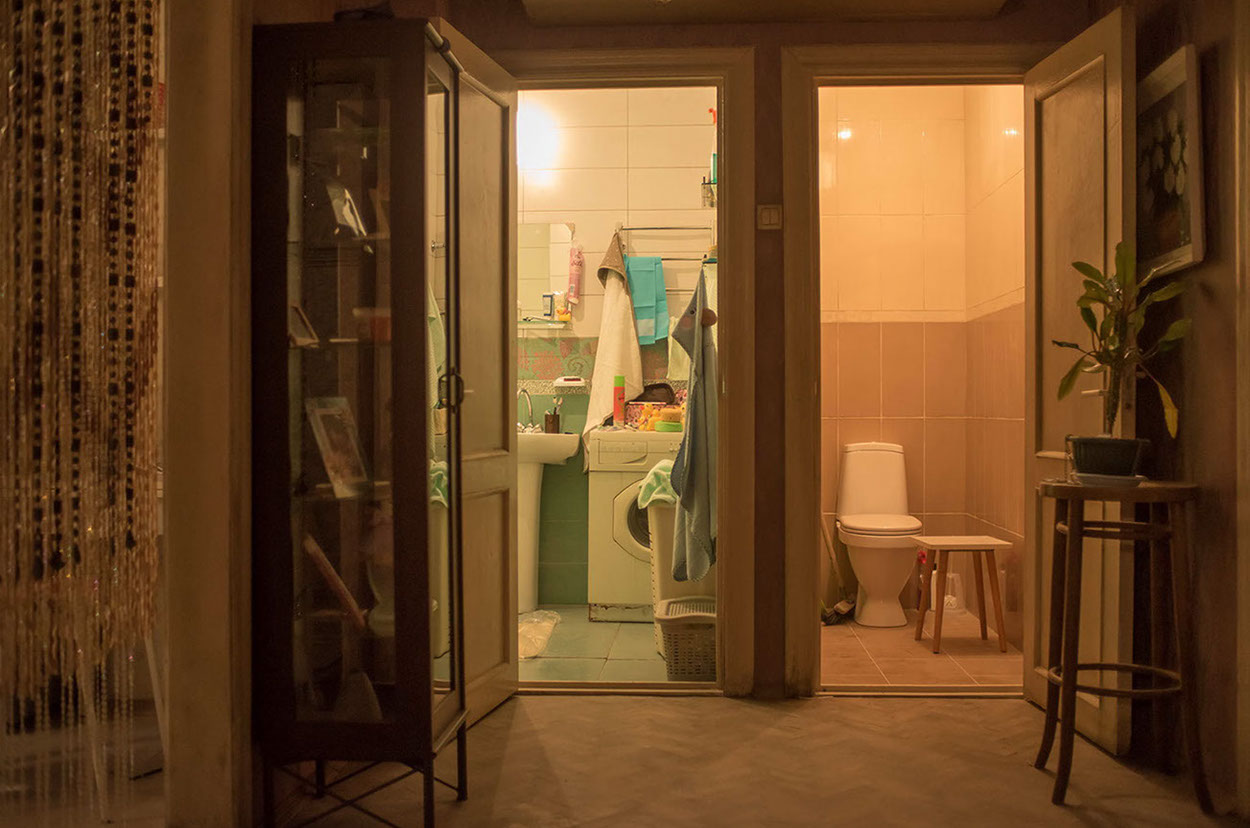

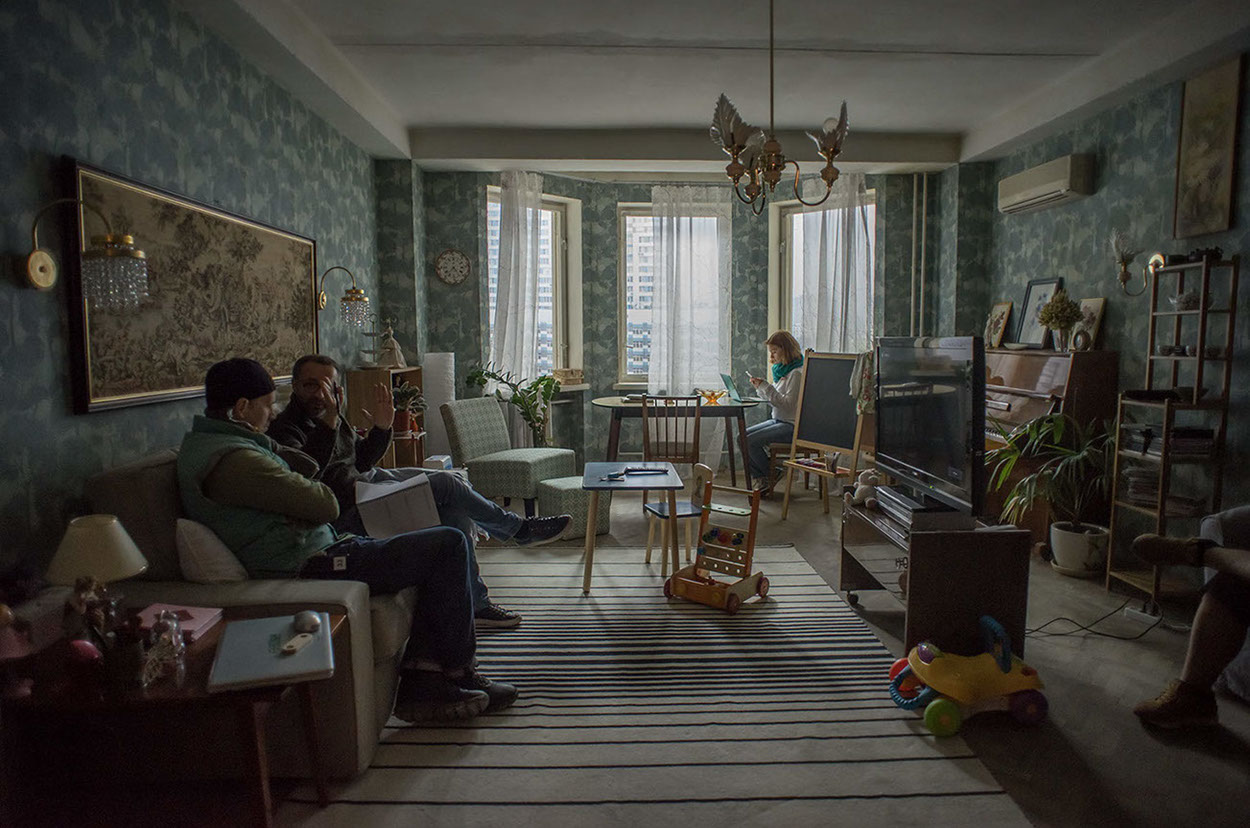
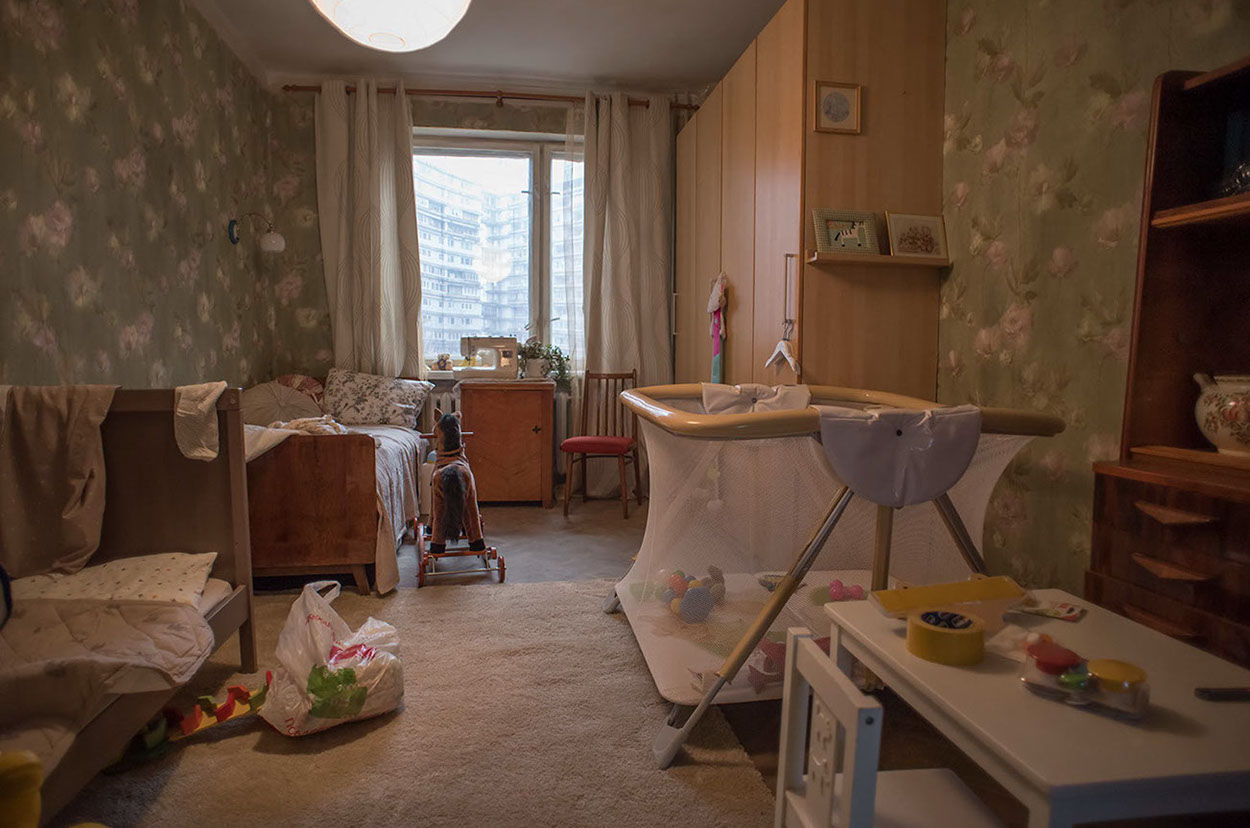
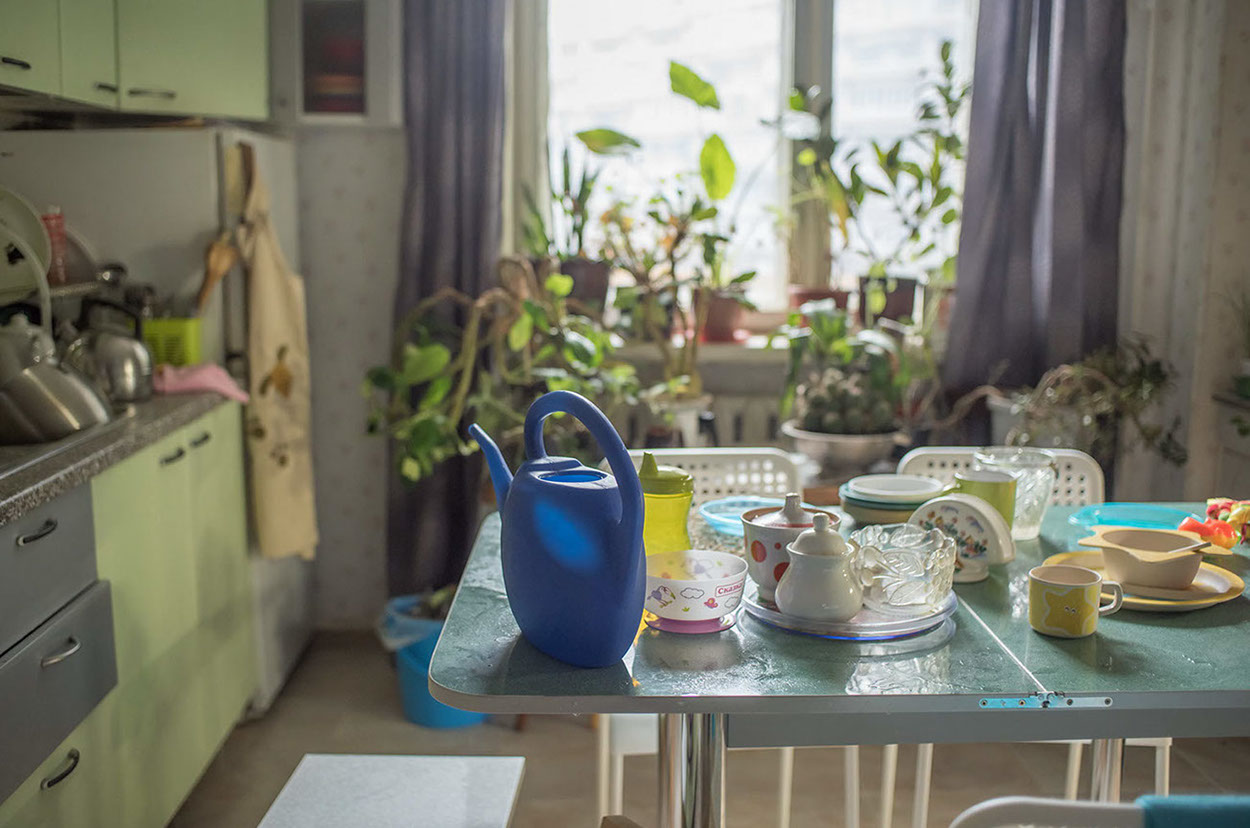
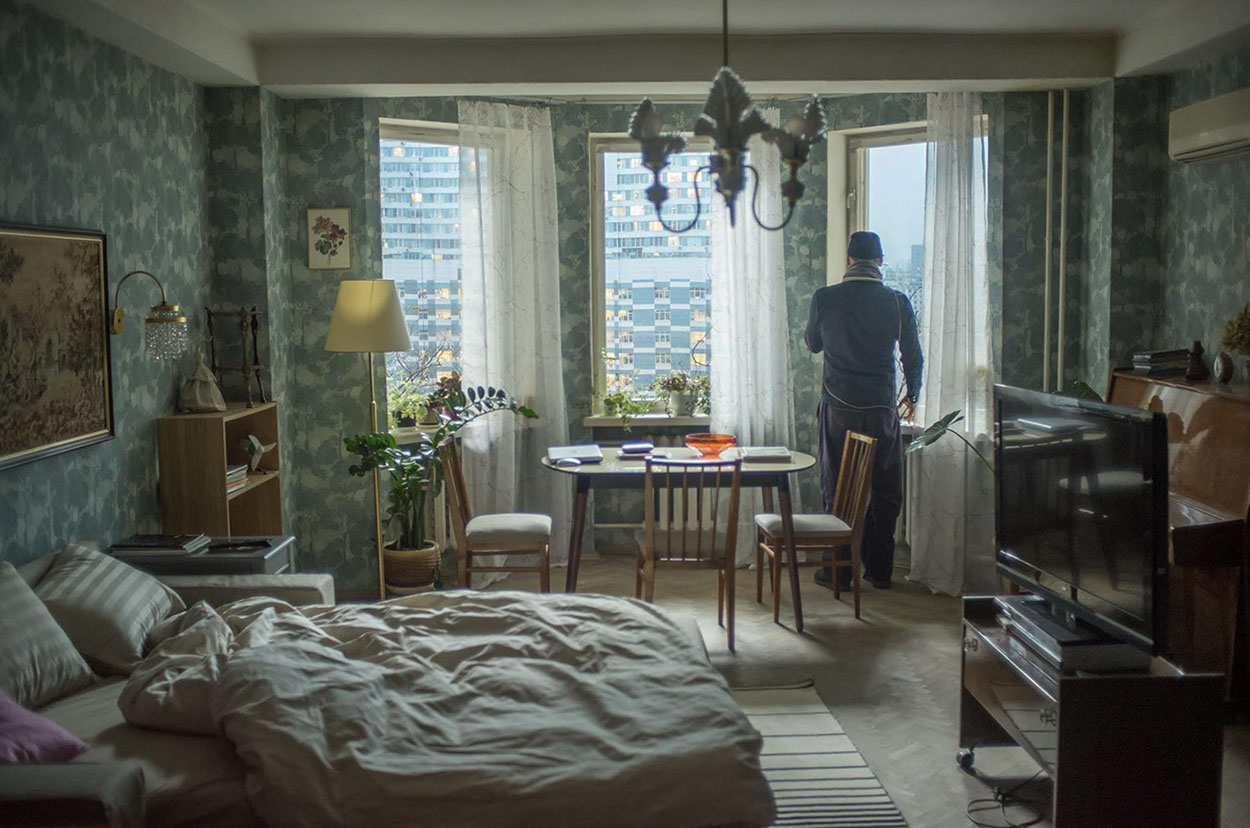

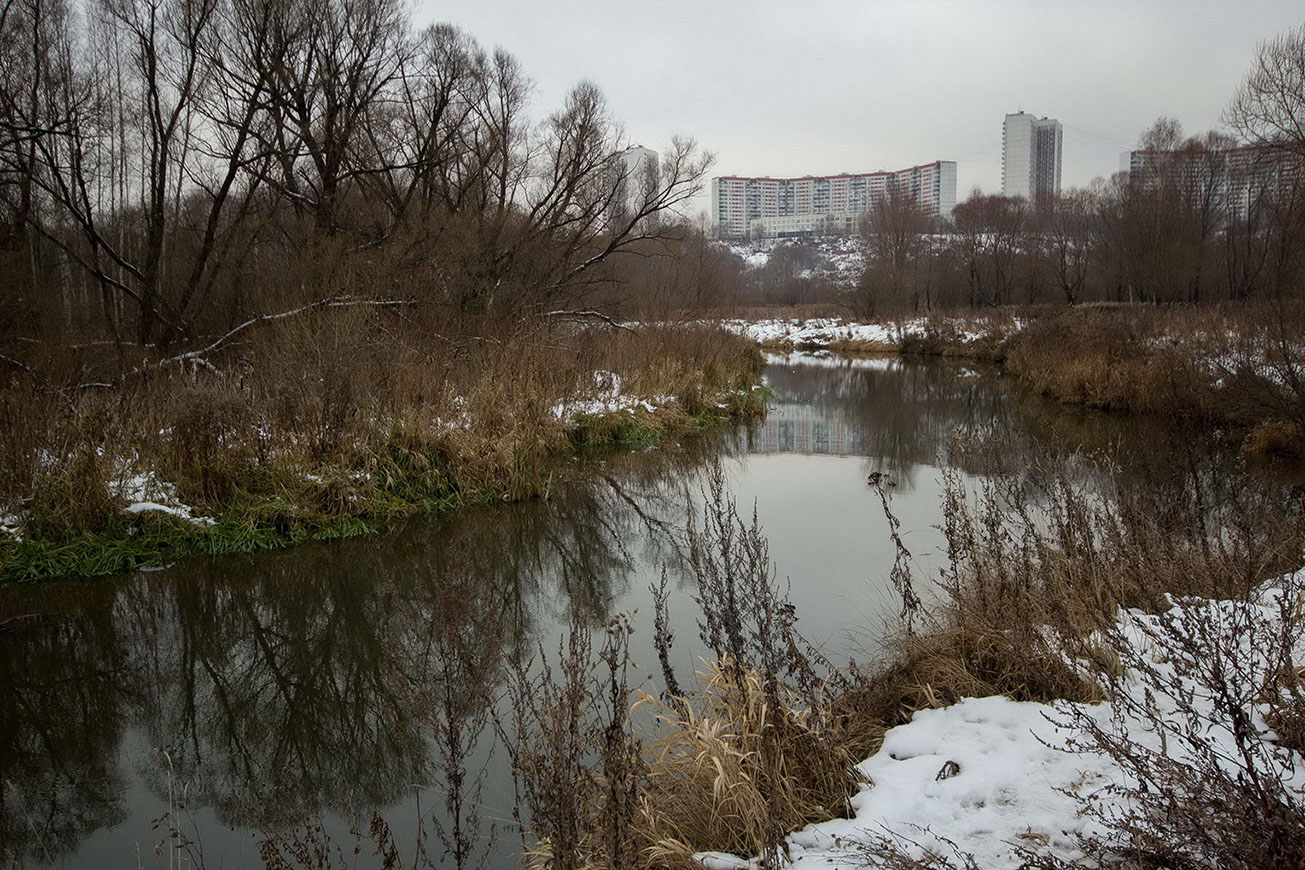
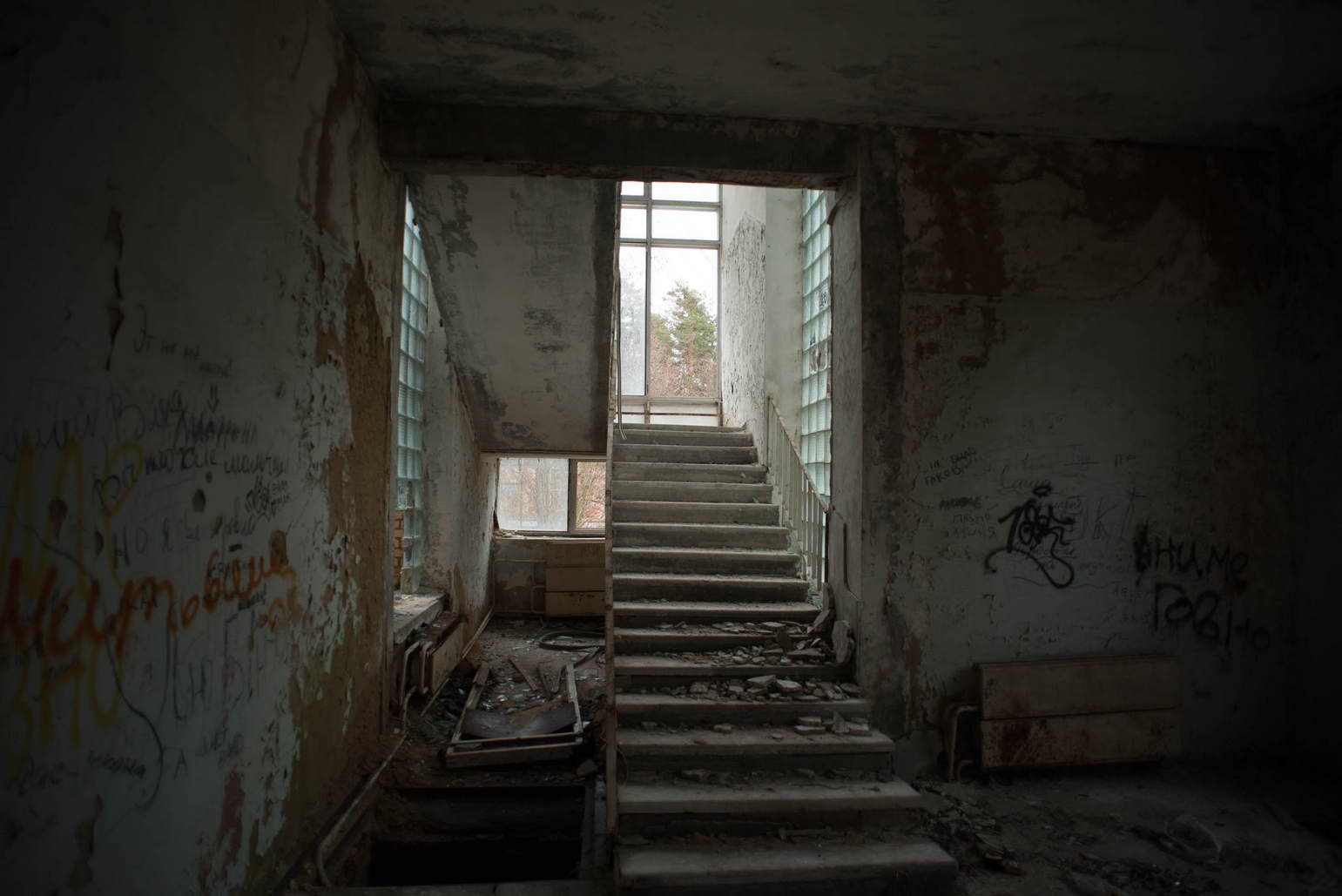
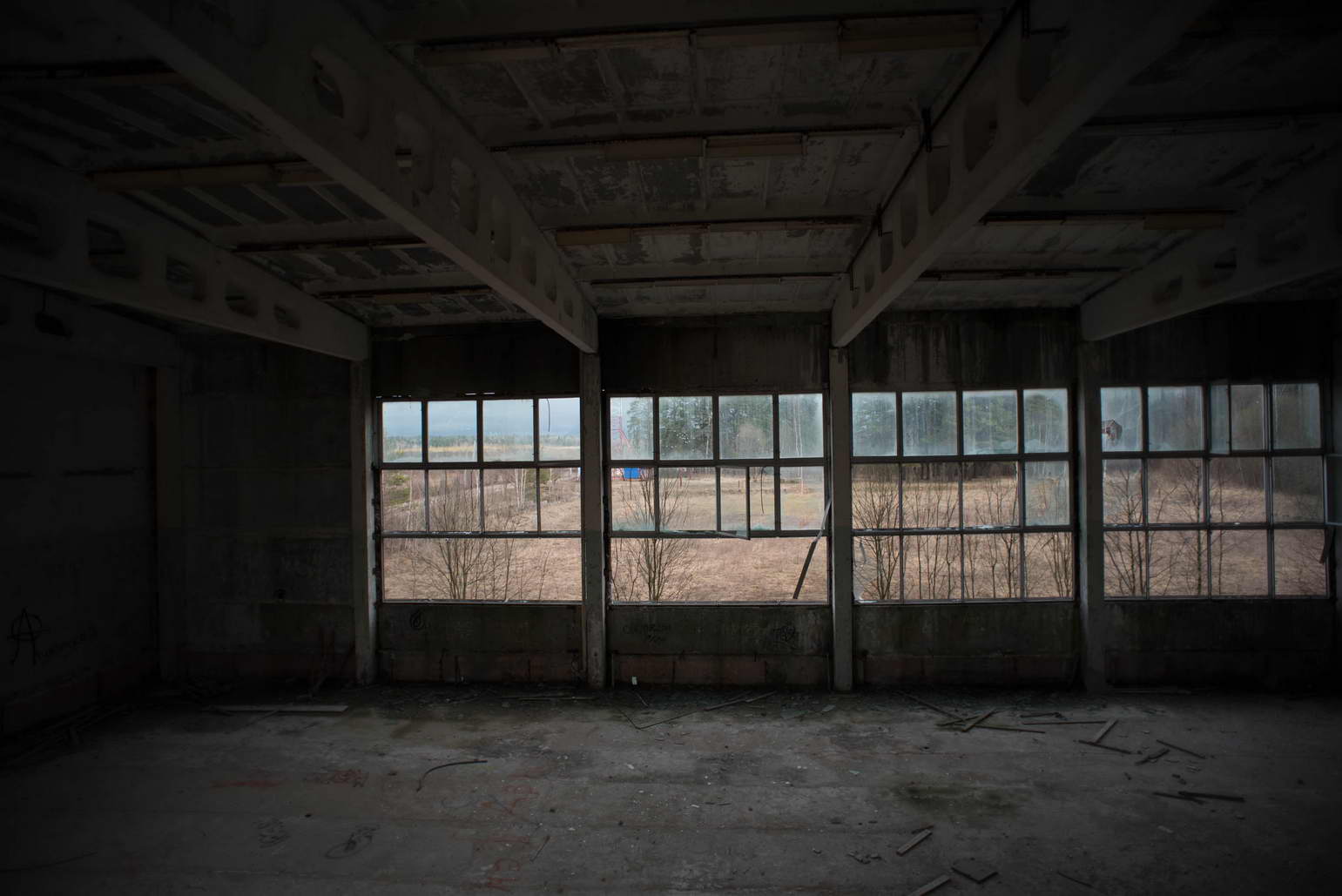
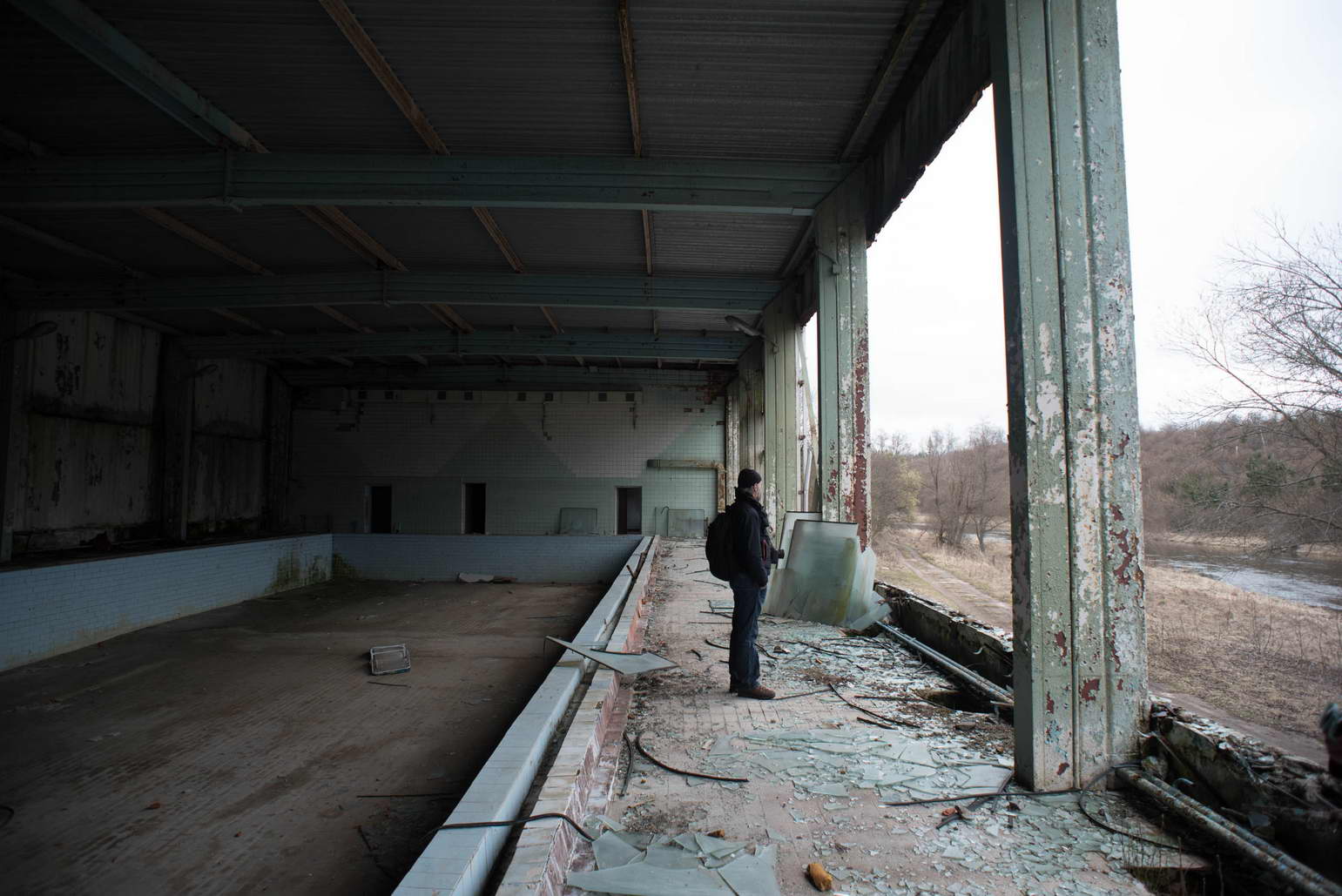
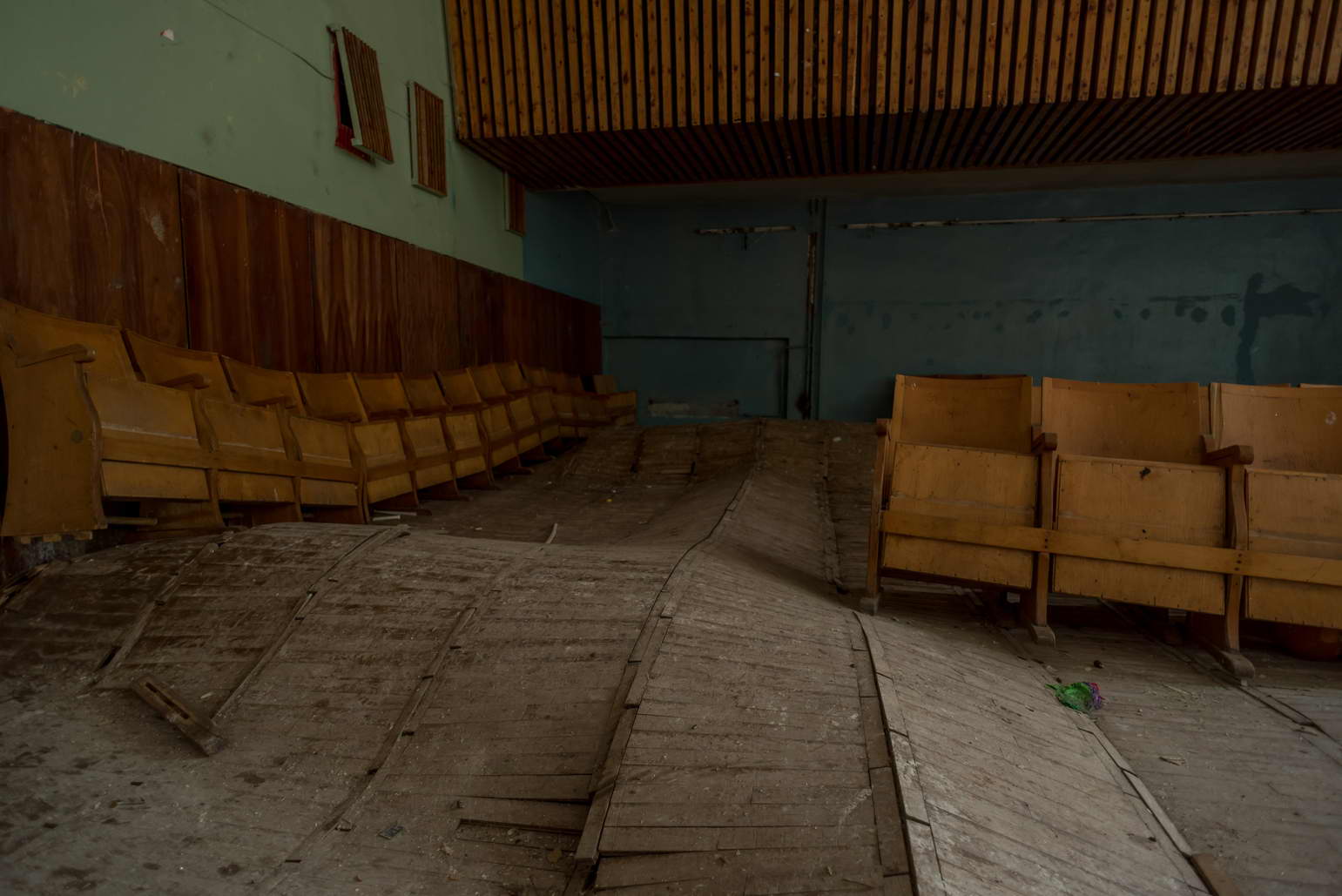
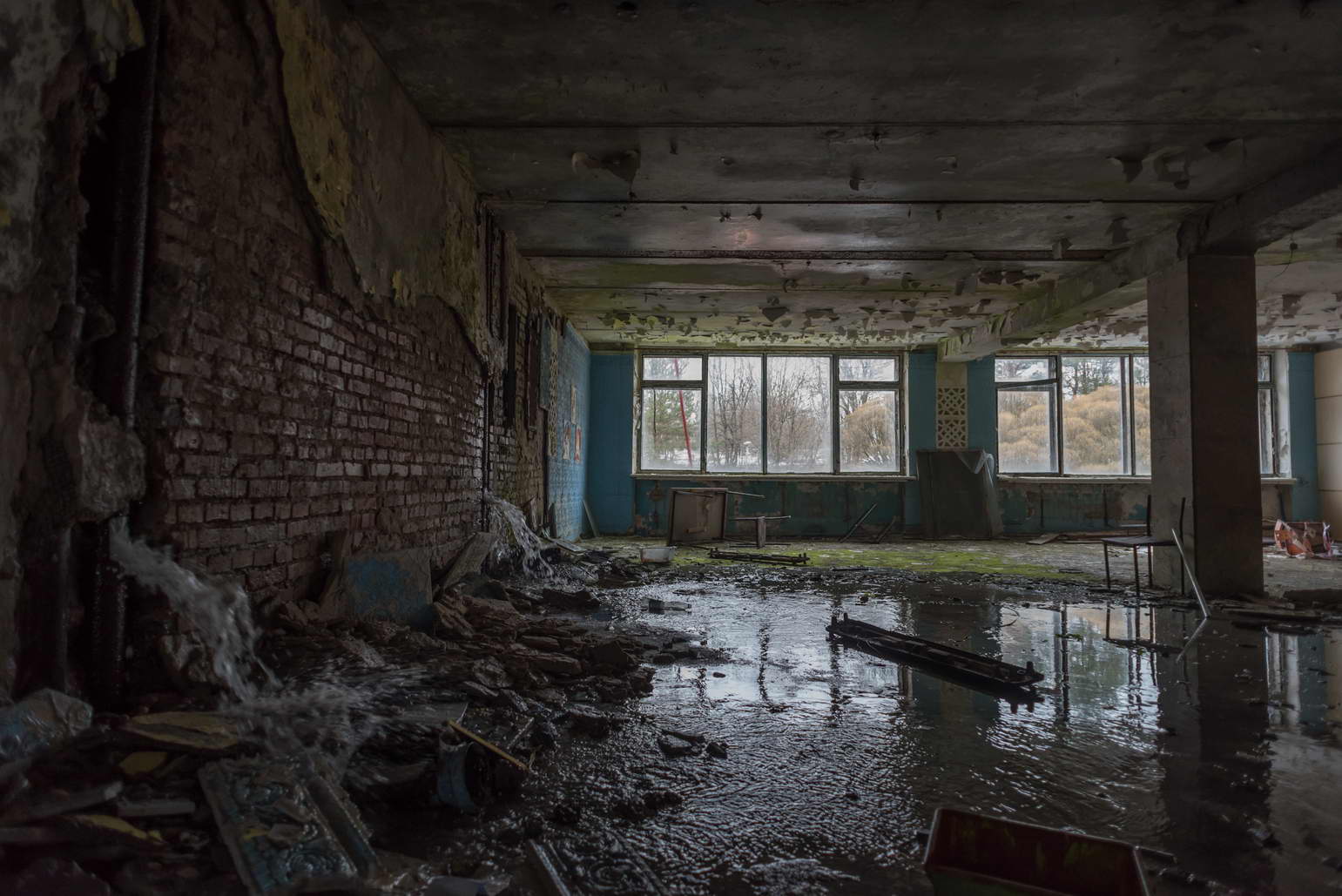
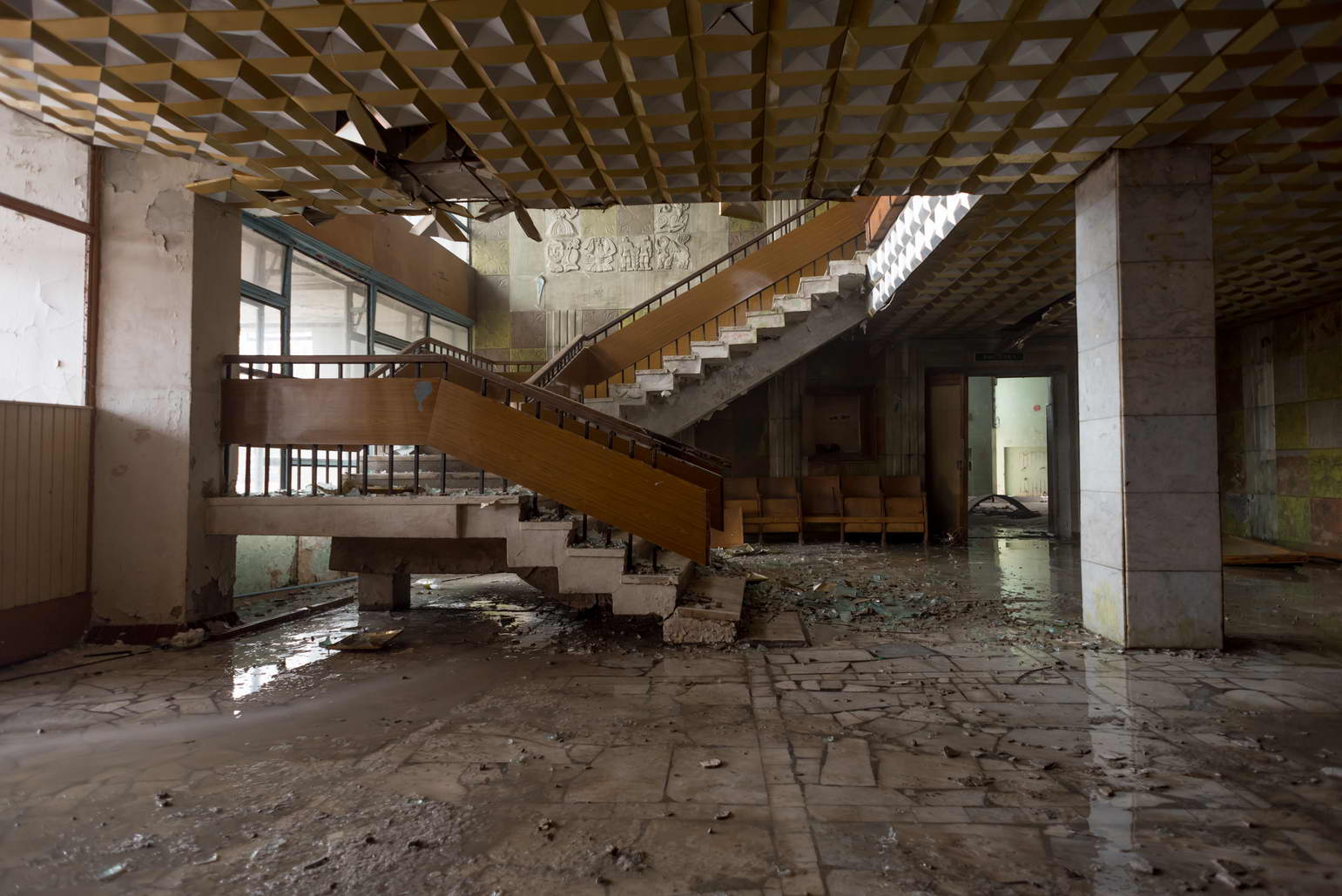
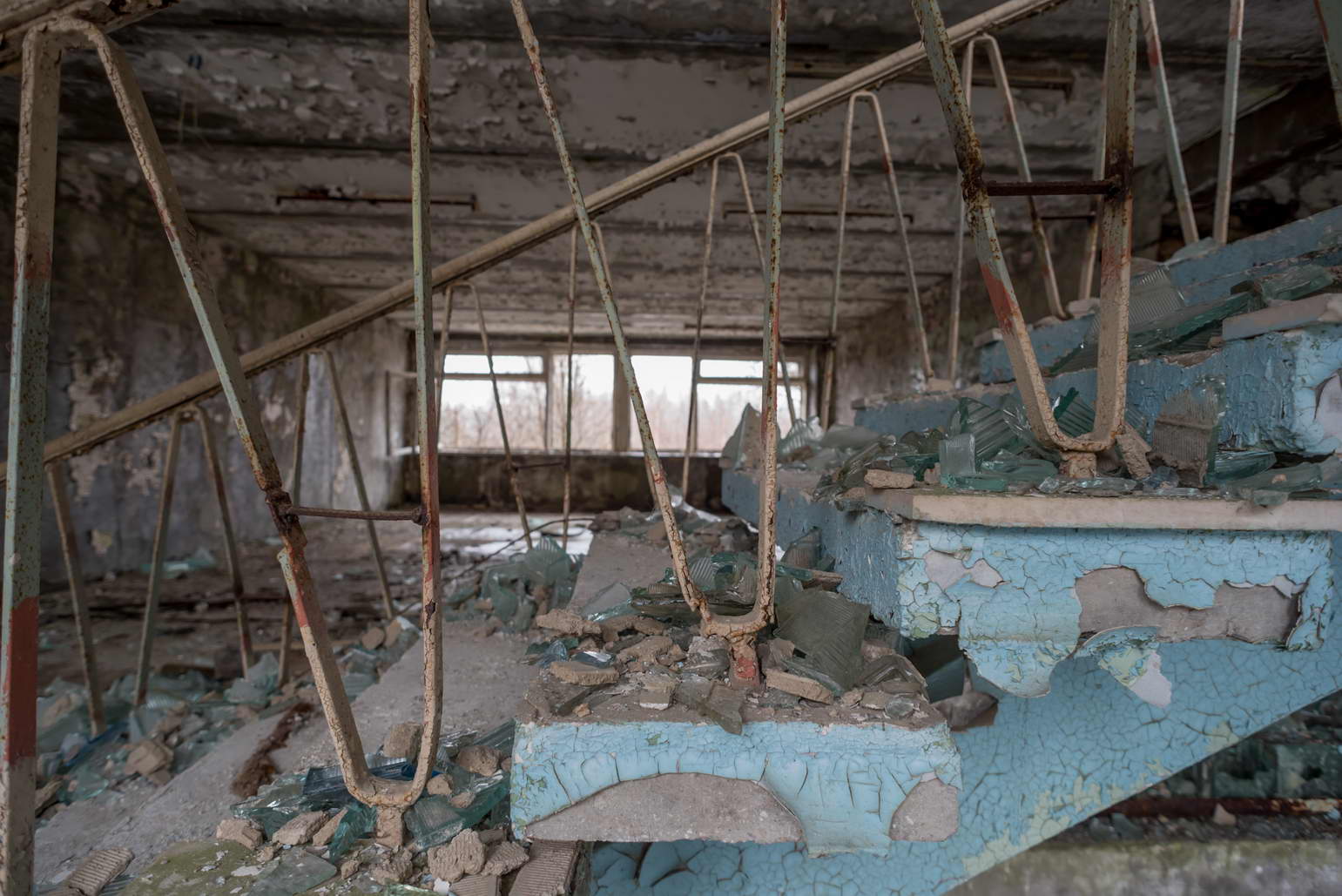
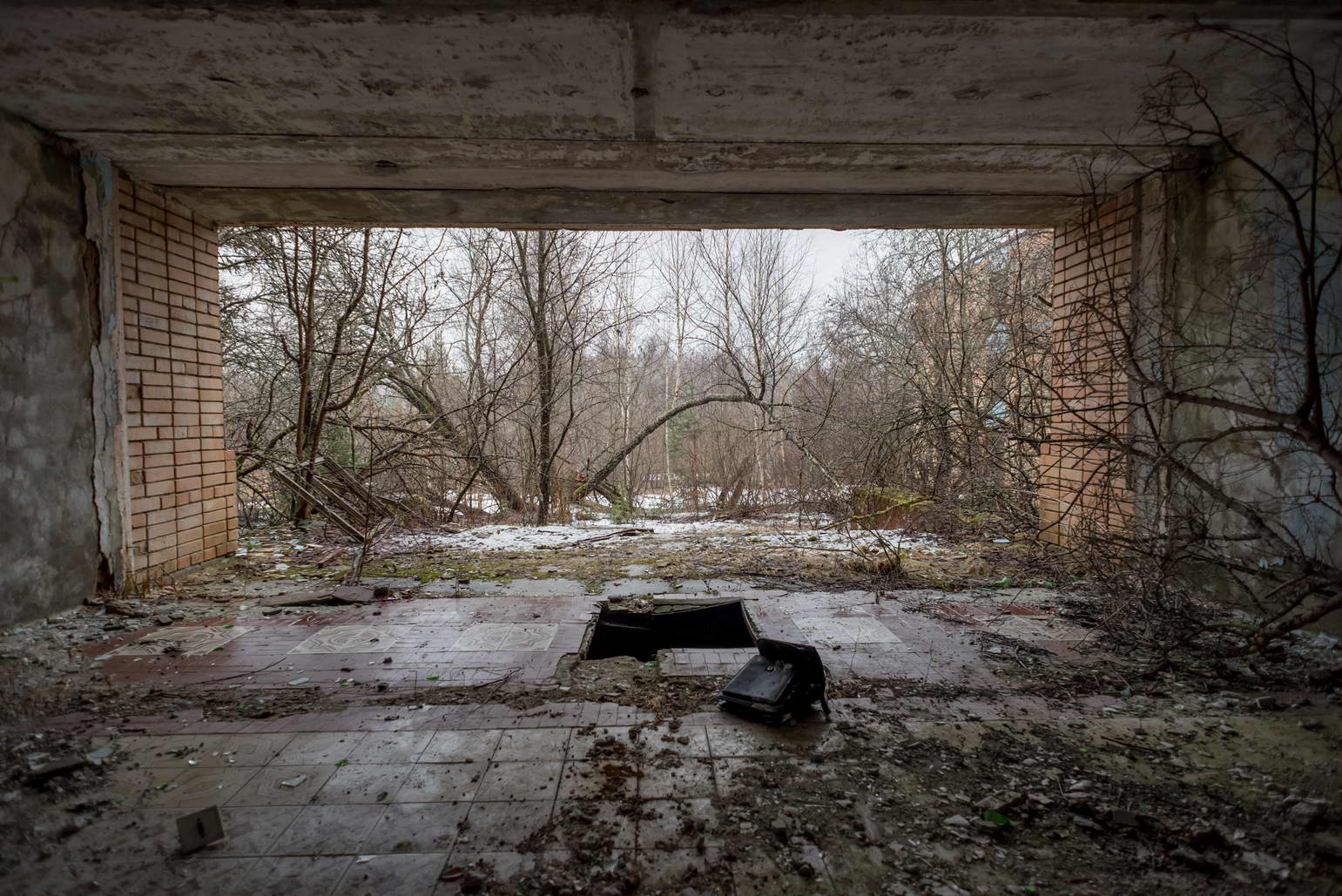
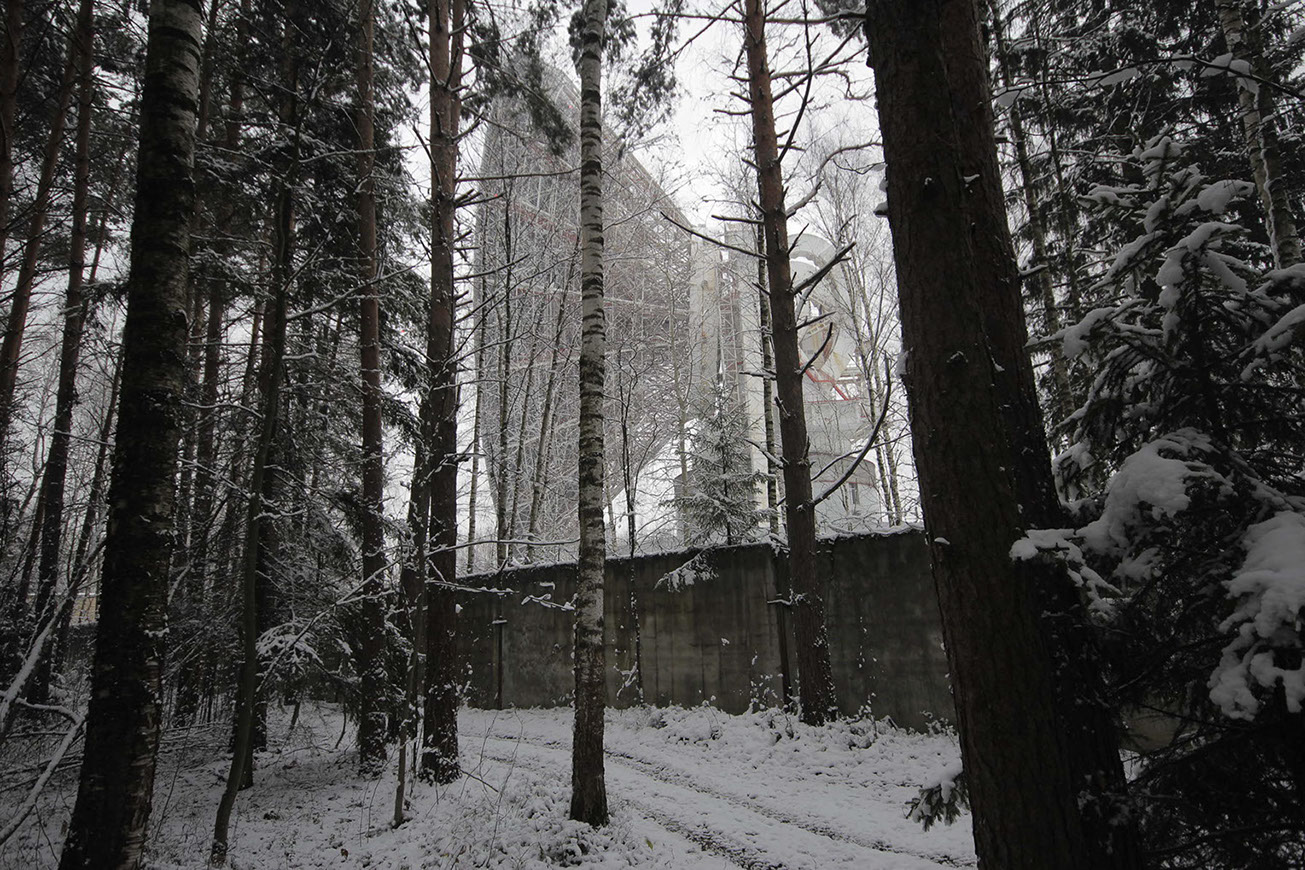
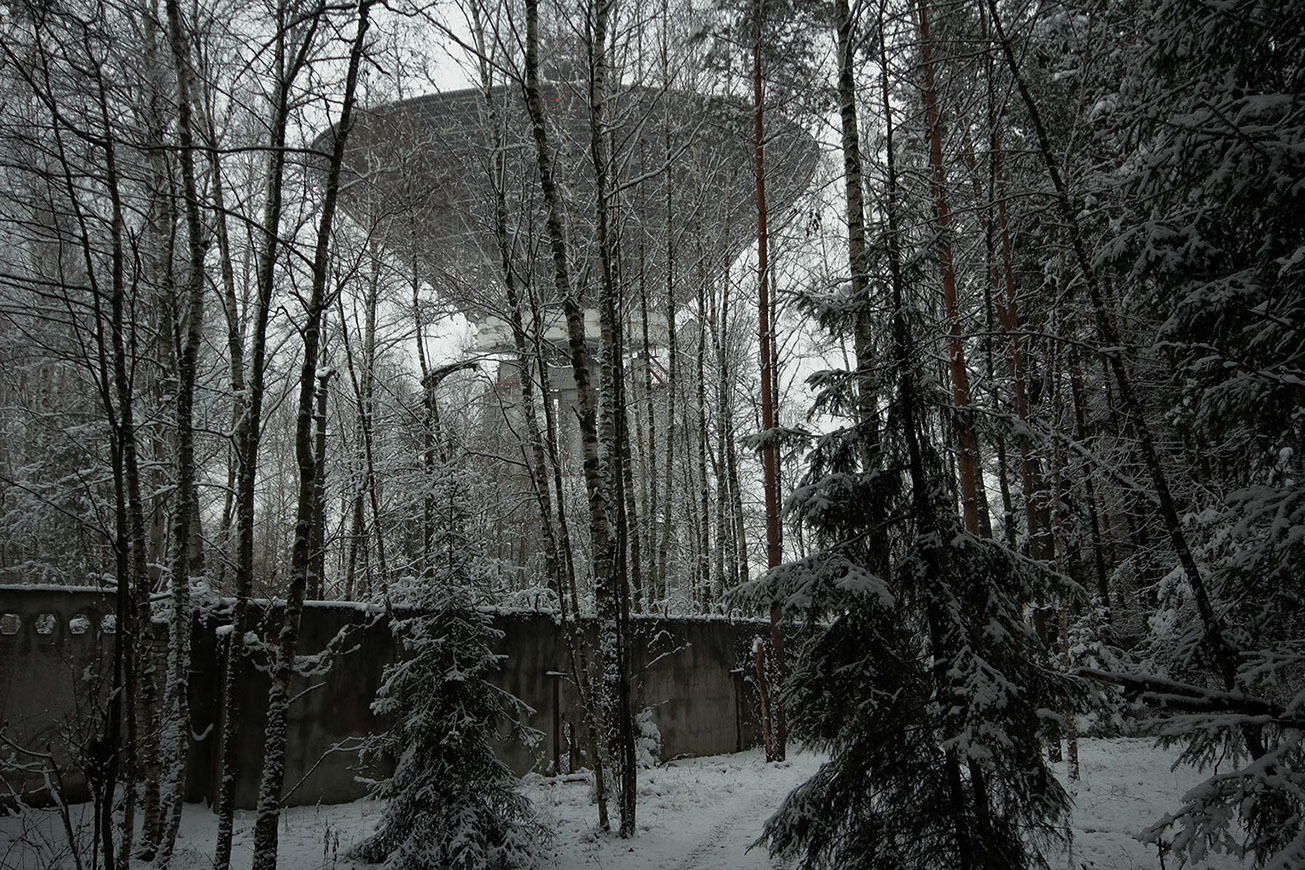
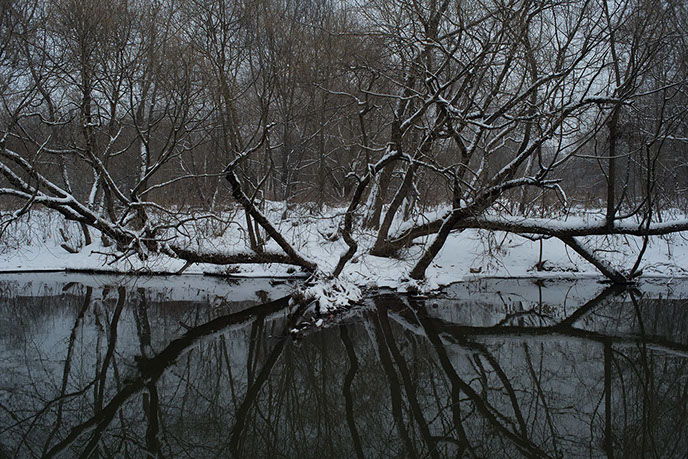
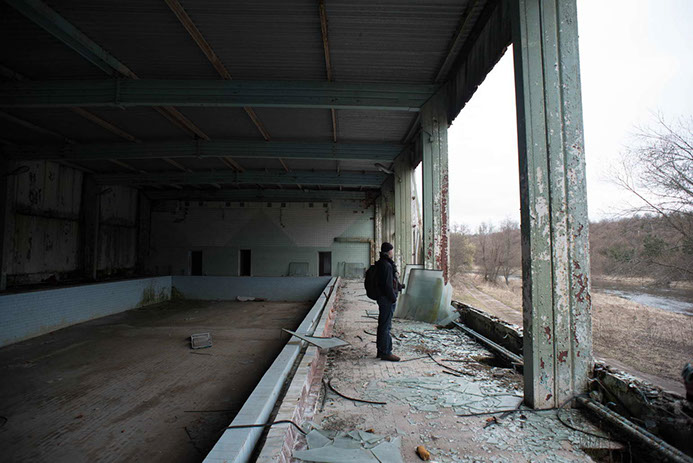
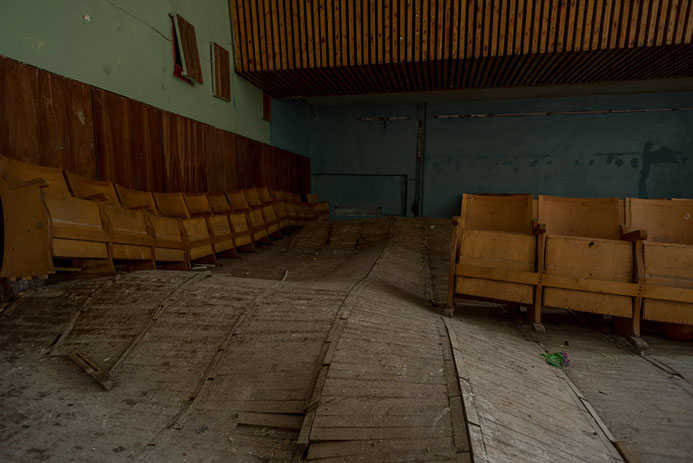
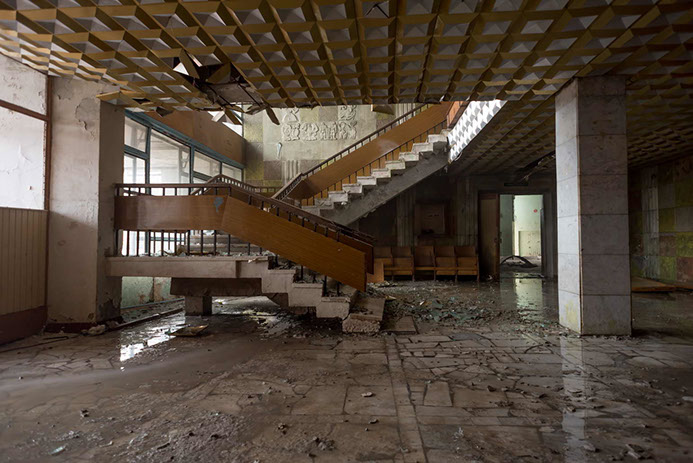
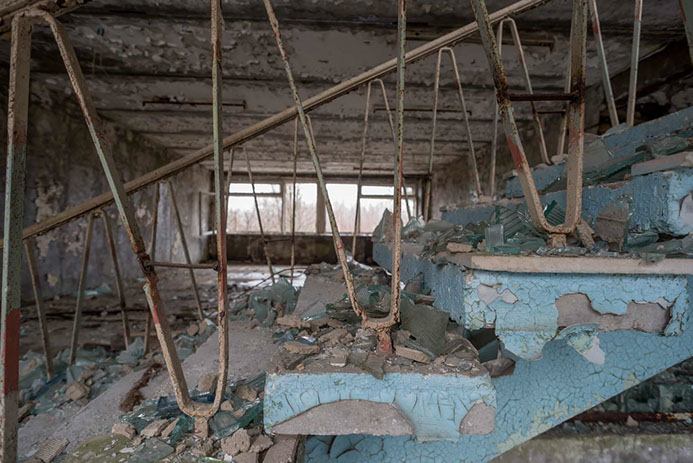
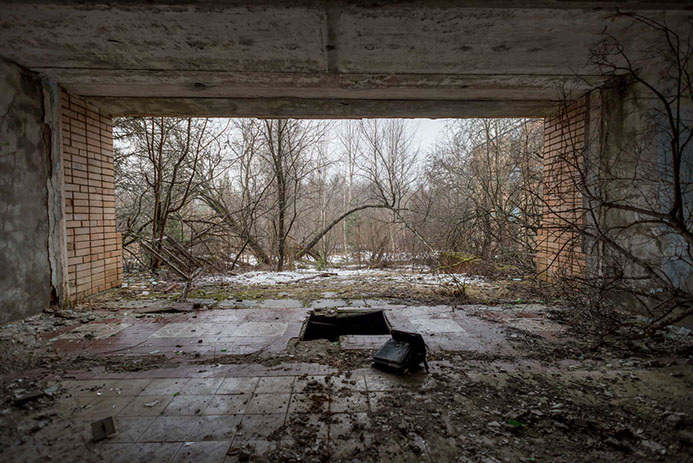
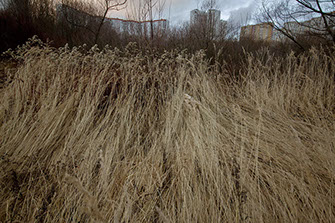
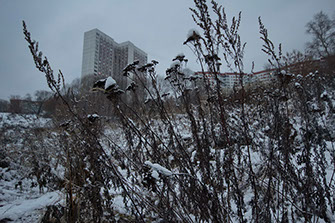
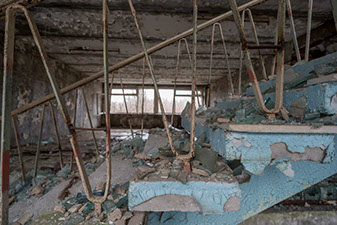
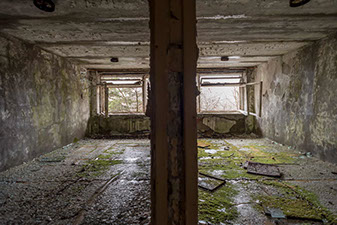
The various themes revolve around the core of the story, the central hero, the Sleptsov's missing son, Alyosha. Throughout the film, we are looking for him, trying to understand where he is and why he disappeared. The mystery of the missing boy is expressed by the Shodnensky lowland, where he loved to play and where he had last been seen. His secret world is gradually uncovered in the search, as we discover the abandoned youth training camp where the peeling walls create labyrinths of cracks and blinking colors, where wooden floors bend in waves caused by the humidity, and windowless walls face the surrounding woods. Everything here speaks to the mystery. So, Alyosha's world is not his room or in an apartment, as with his parents, but here in the wilderness within the city.
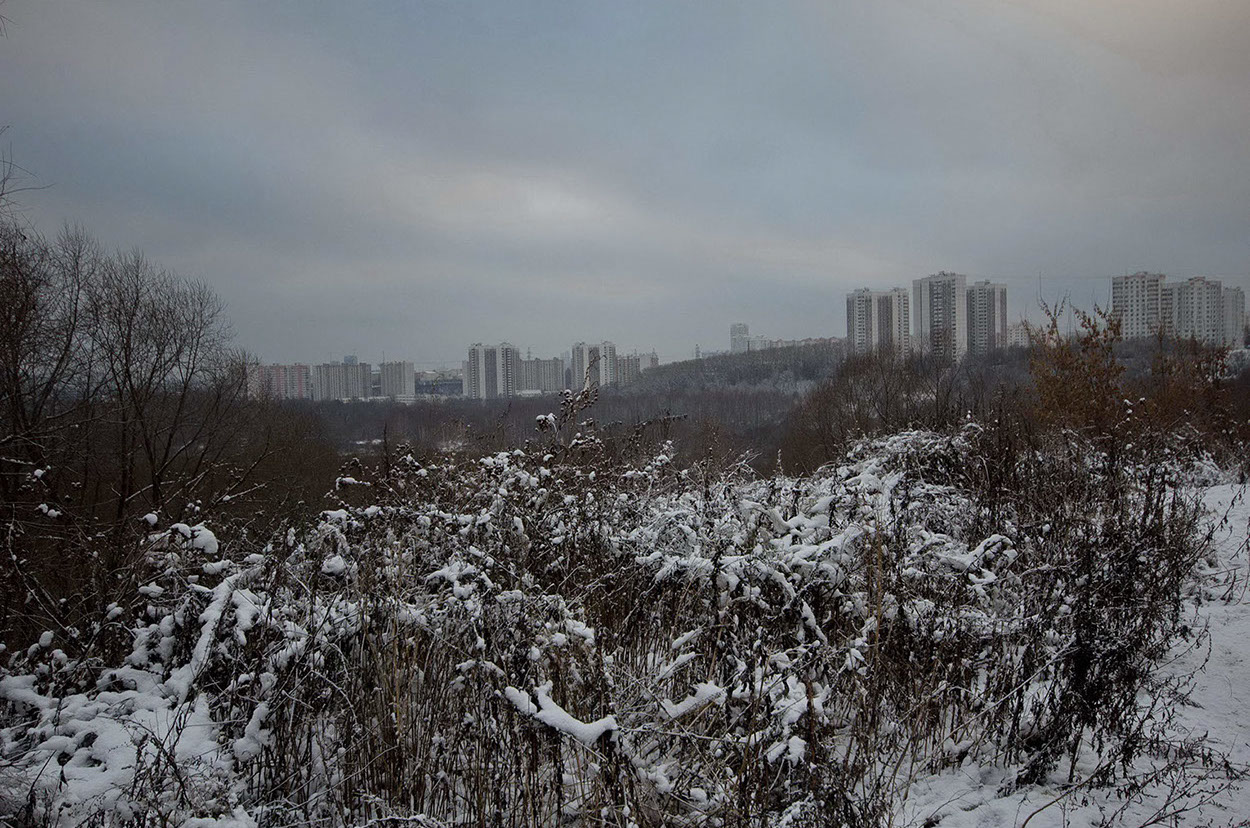


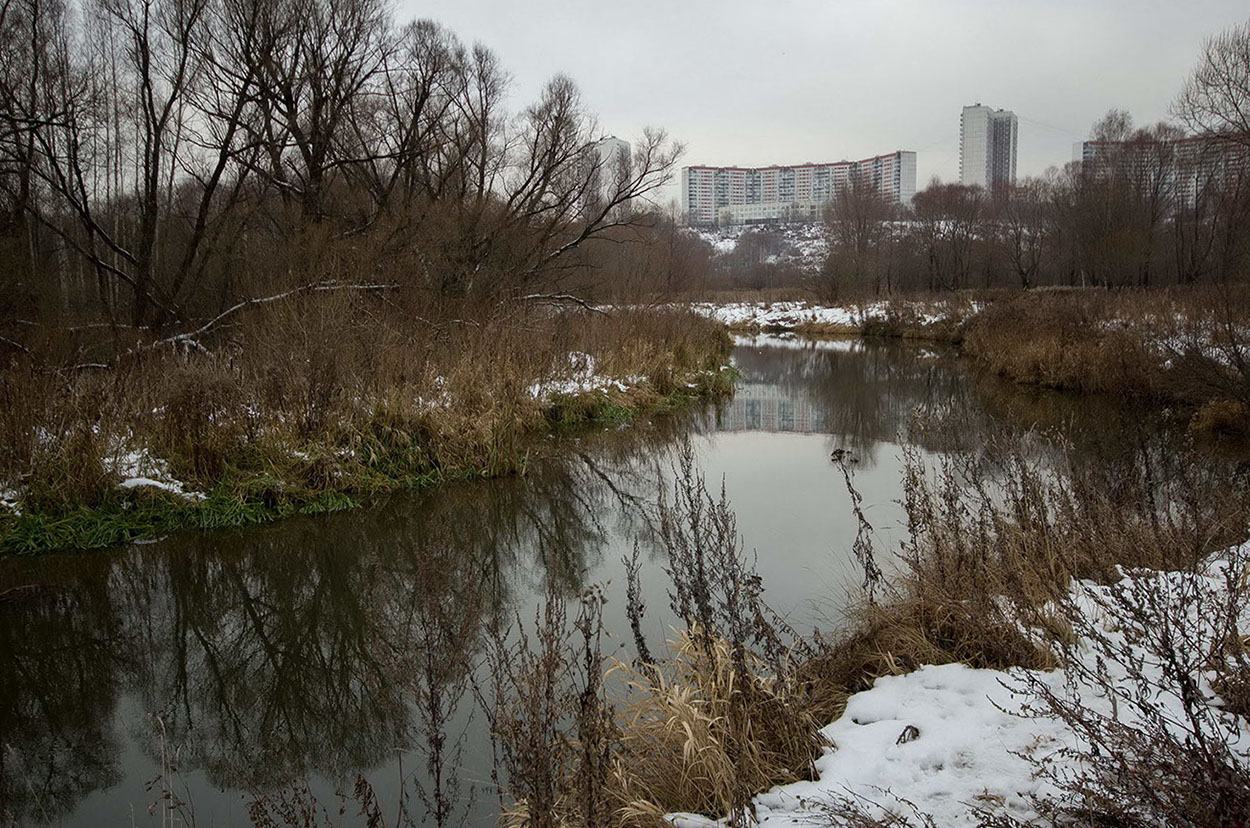


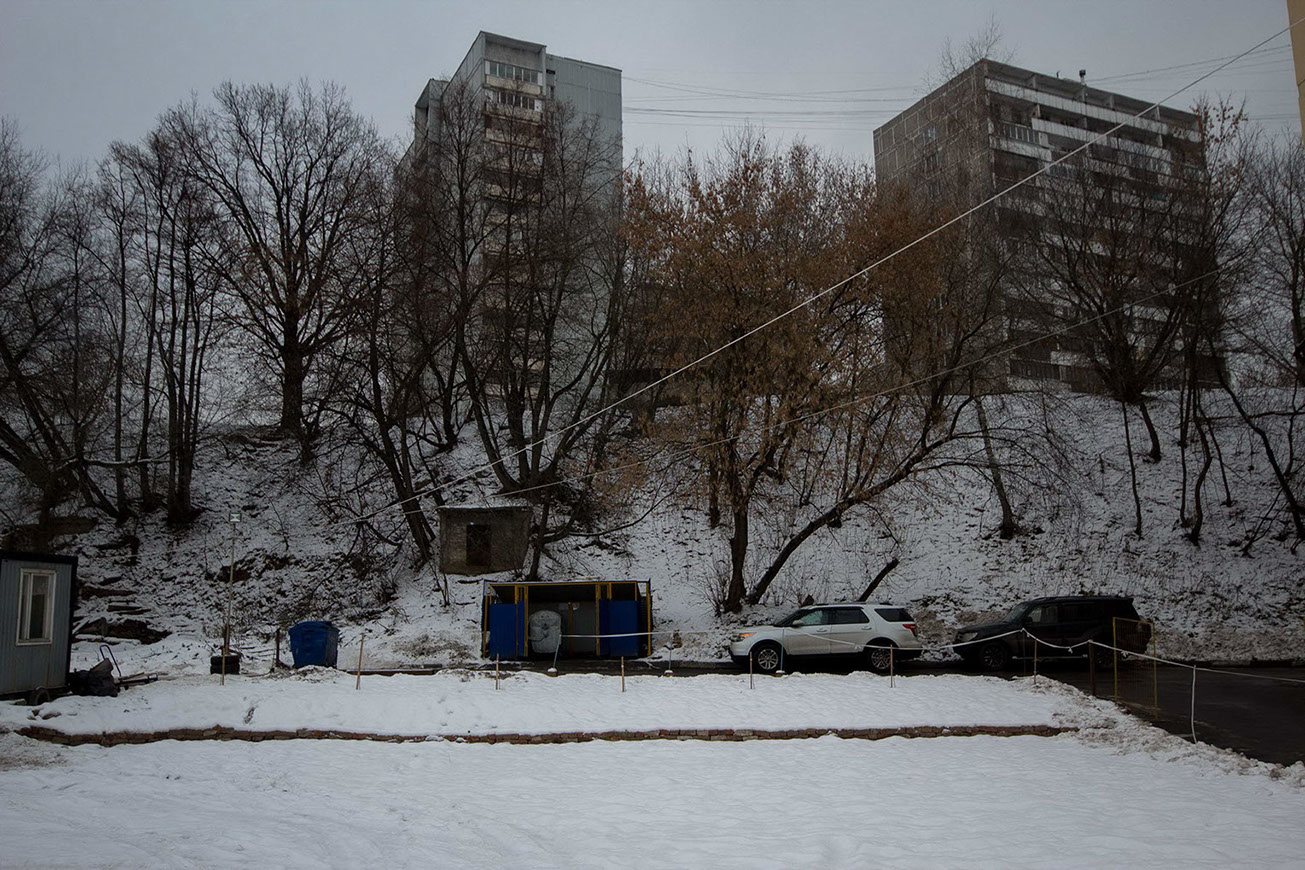
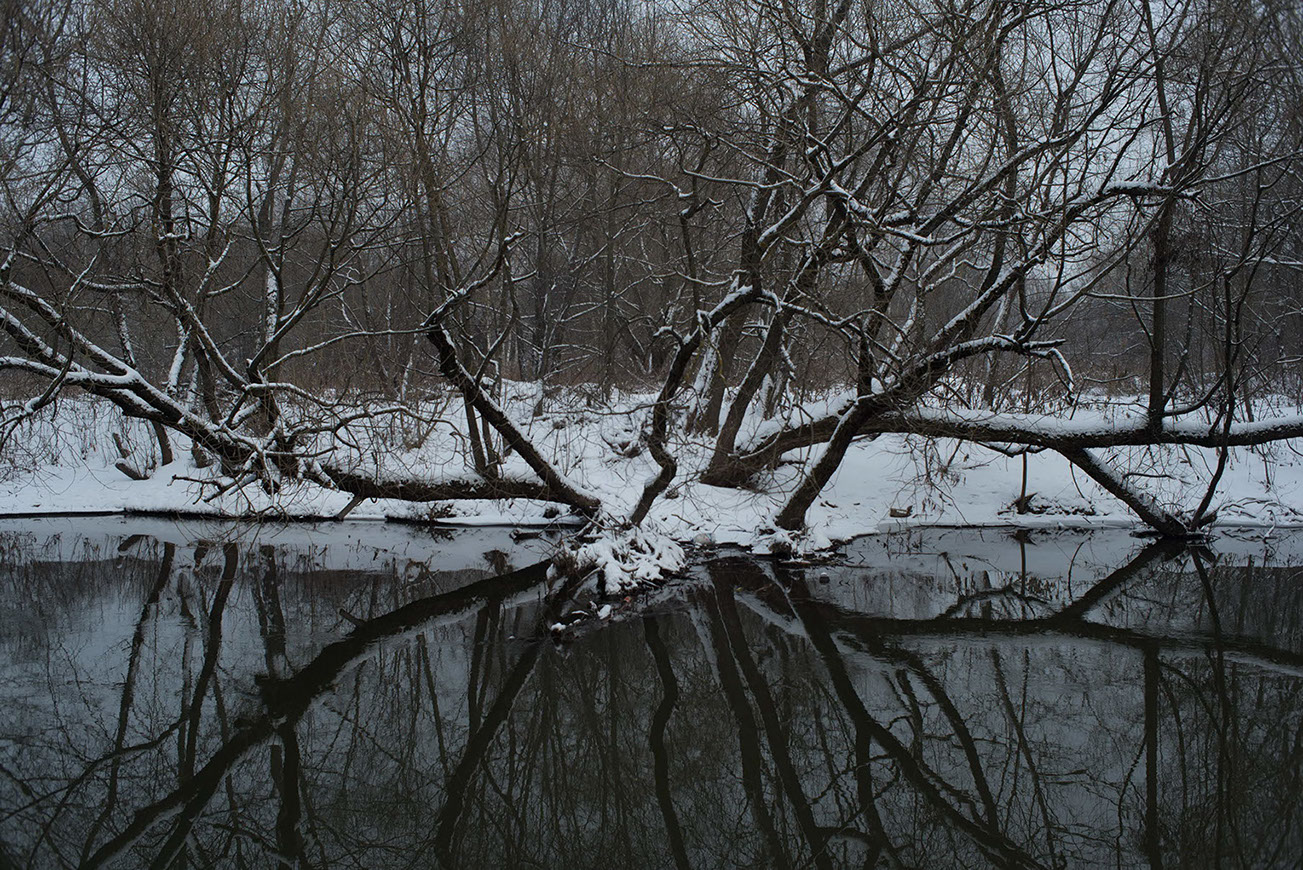
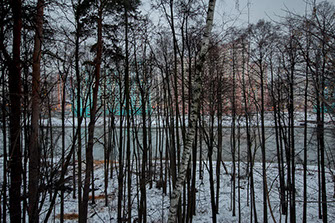
Here he can hide from the grim reality of his life. Here he can find silence and peace. The juxtaposition of this seemingly wild place to its urban surroundings, where, in two steps you can reach his school or his house, provides a sharp contrast. It is a place of beauty and freedom, representing Alyosha's character, also pure and unspoiled.


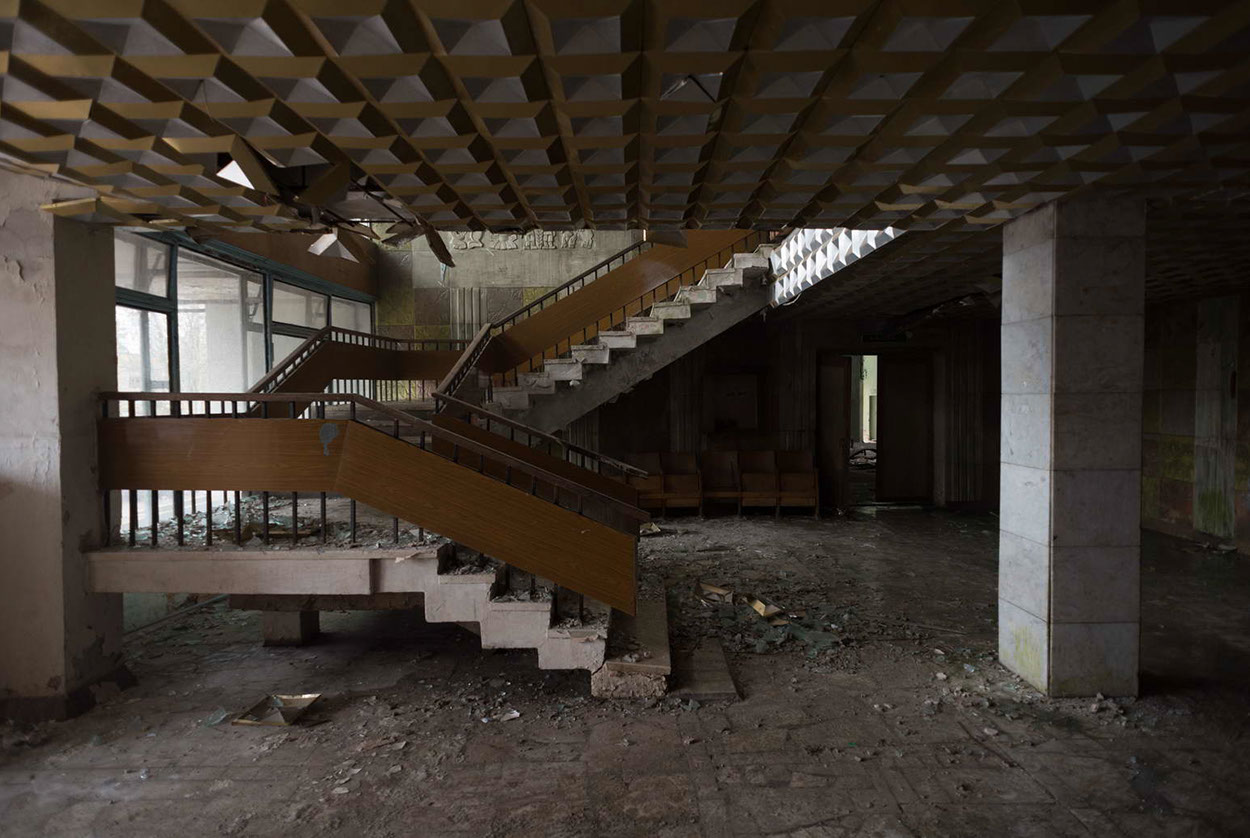

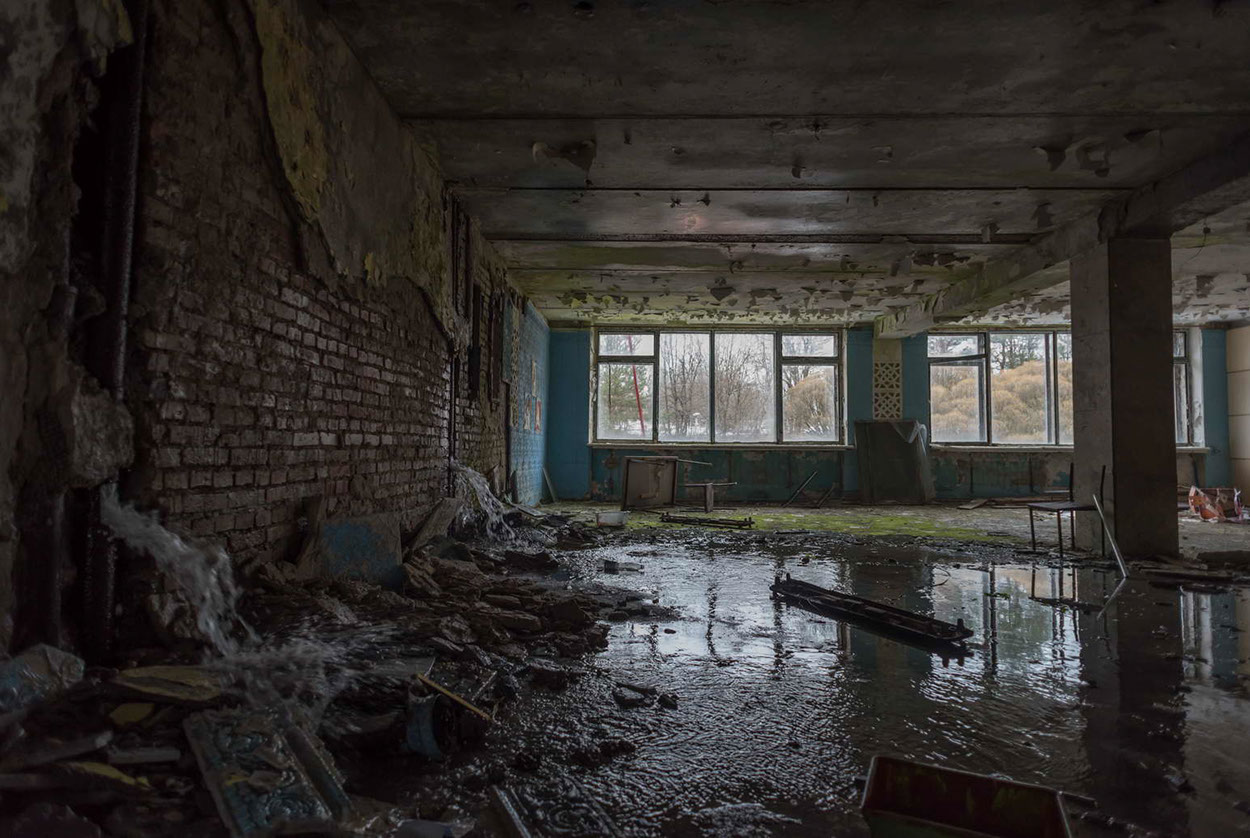
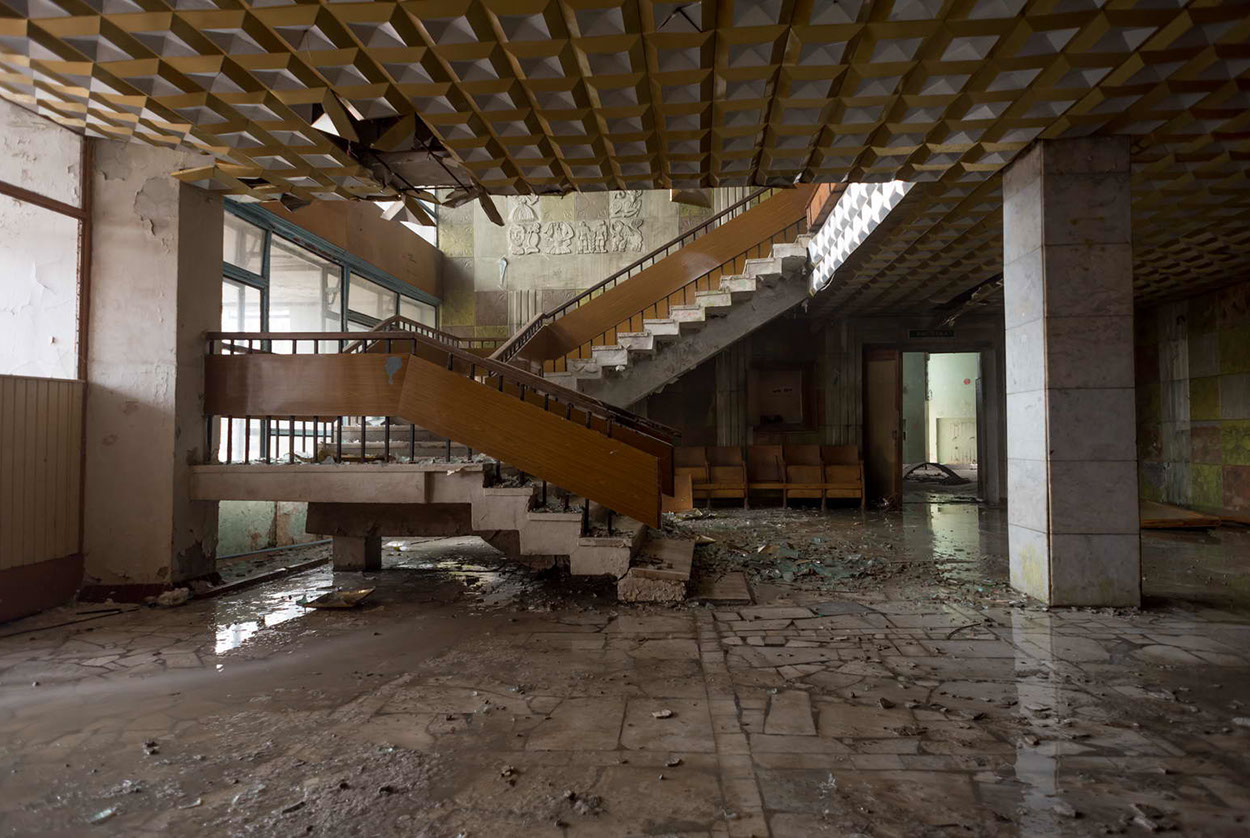


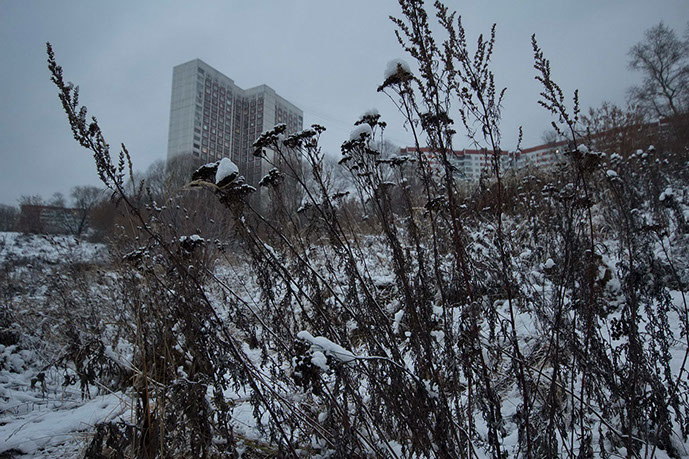
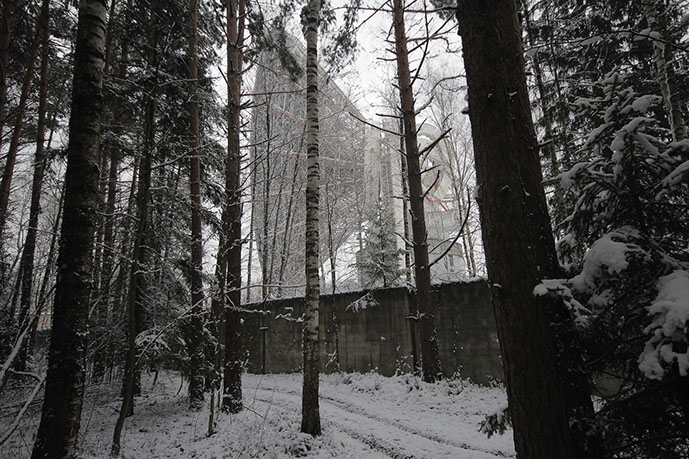
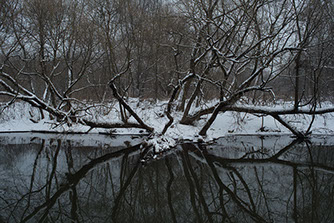
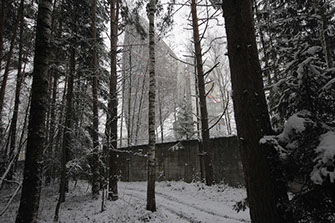
Most exterior shots were of the search for Alyosha. We decided to do the principal shooting in the Autumn, a short window of time when the trees are especially transparent and we can feel the transition to a new state. What we hadn't expected was the year's early snowfall. Sometimes, though, the unexpected can be better than we had hoped for. The new snow added the dimension of time pressing, it created a feeling of tension, making the search ever more urgent.
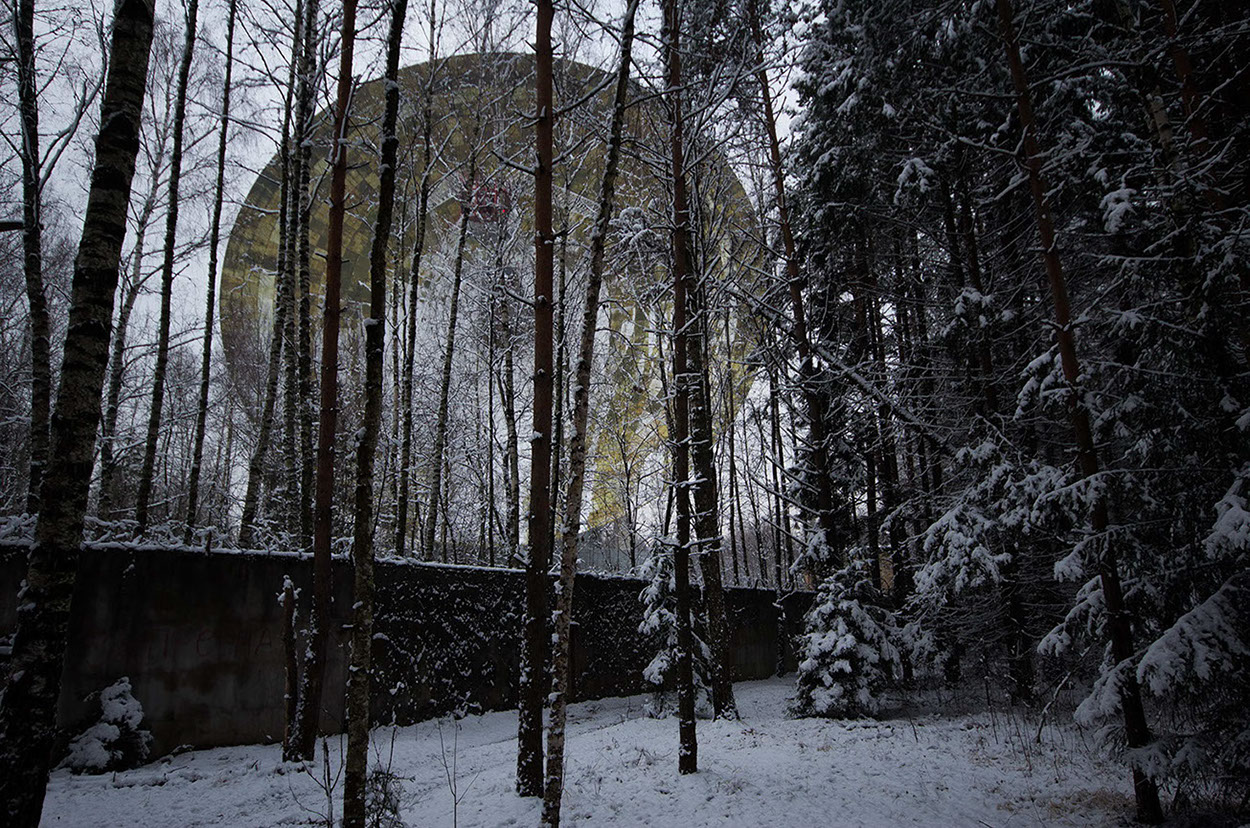

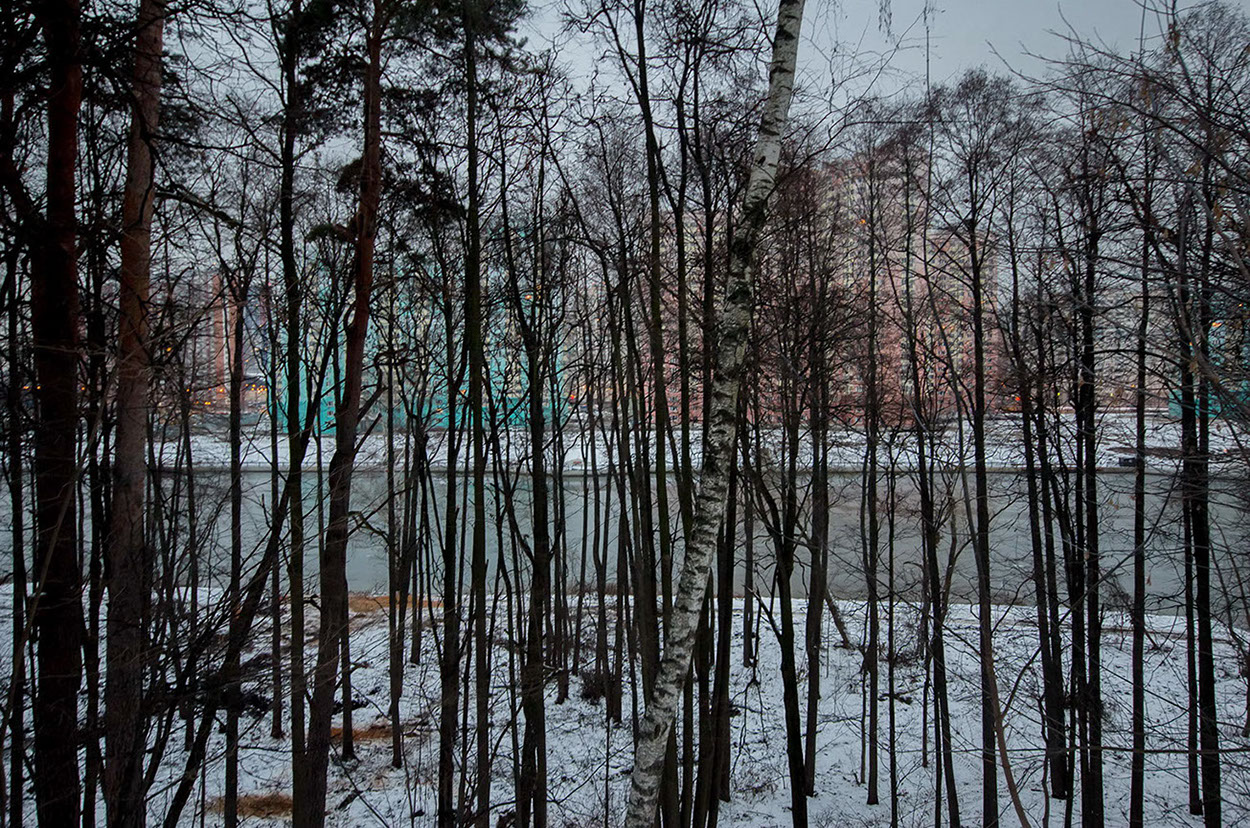


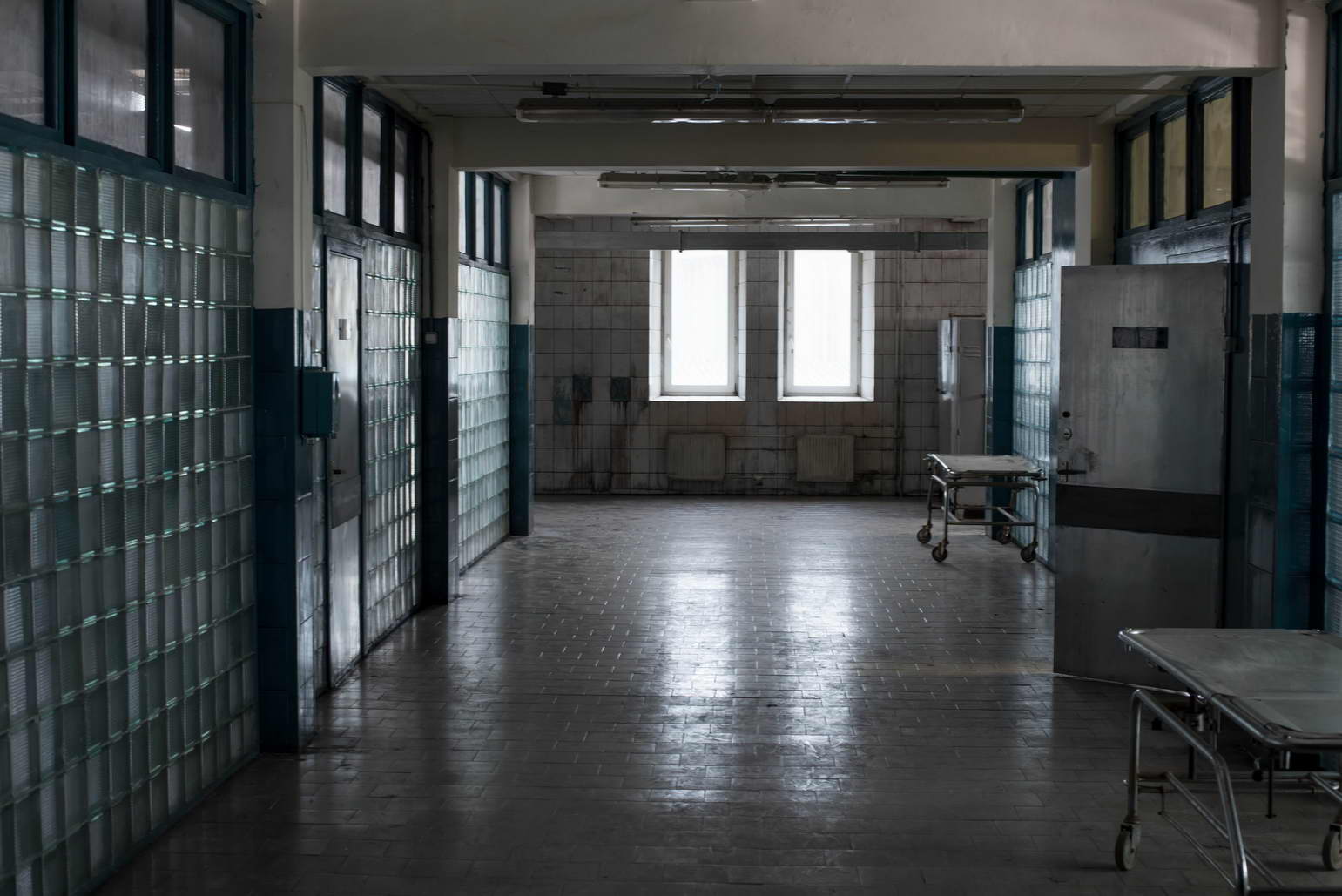
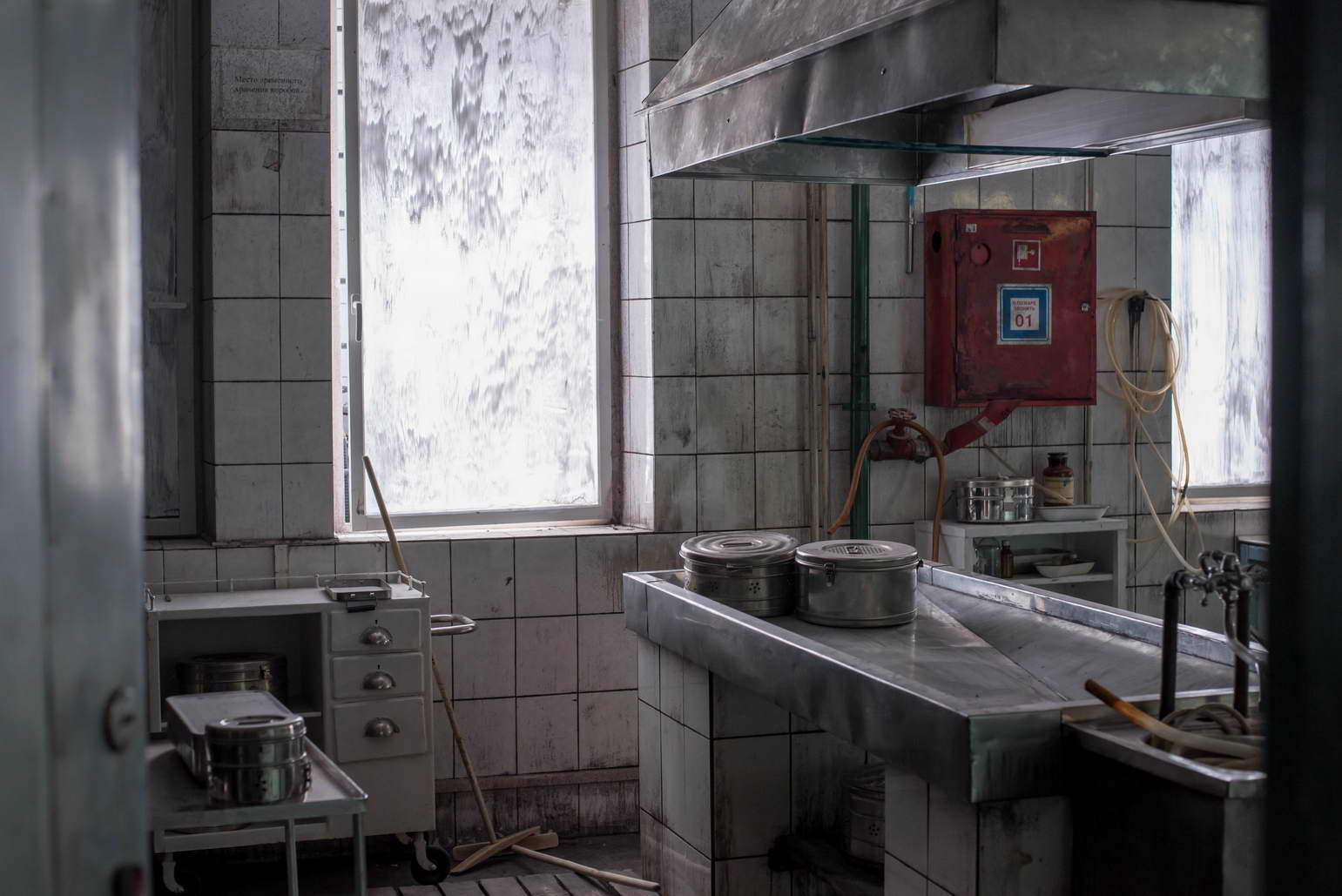
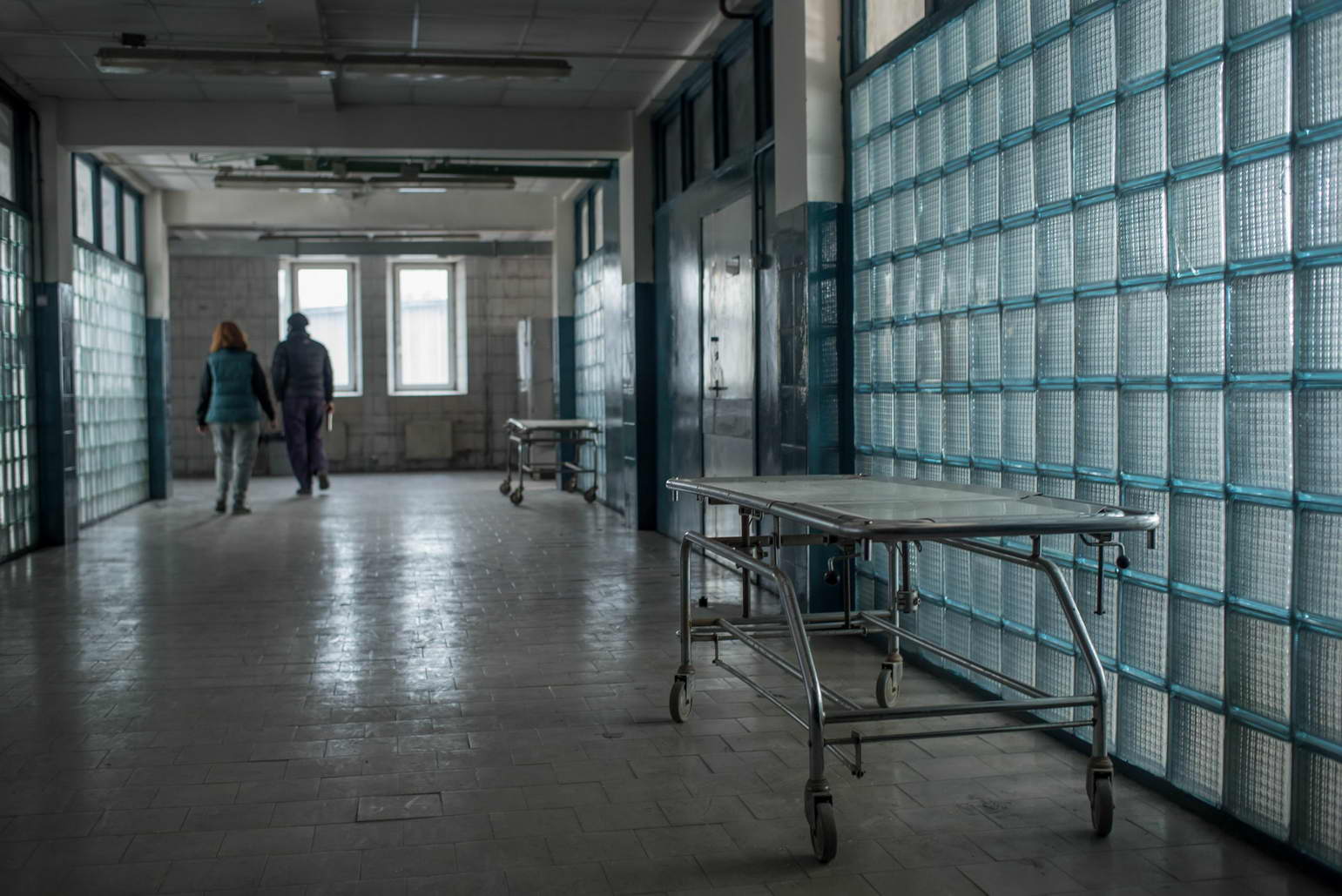
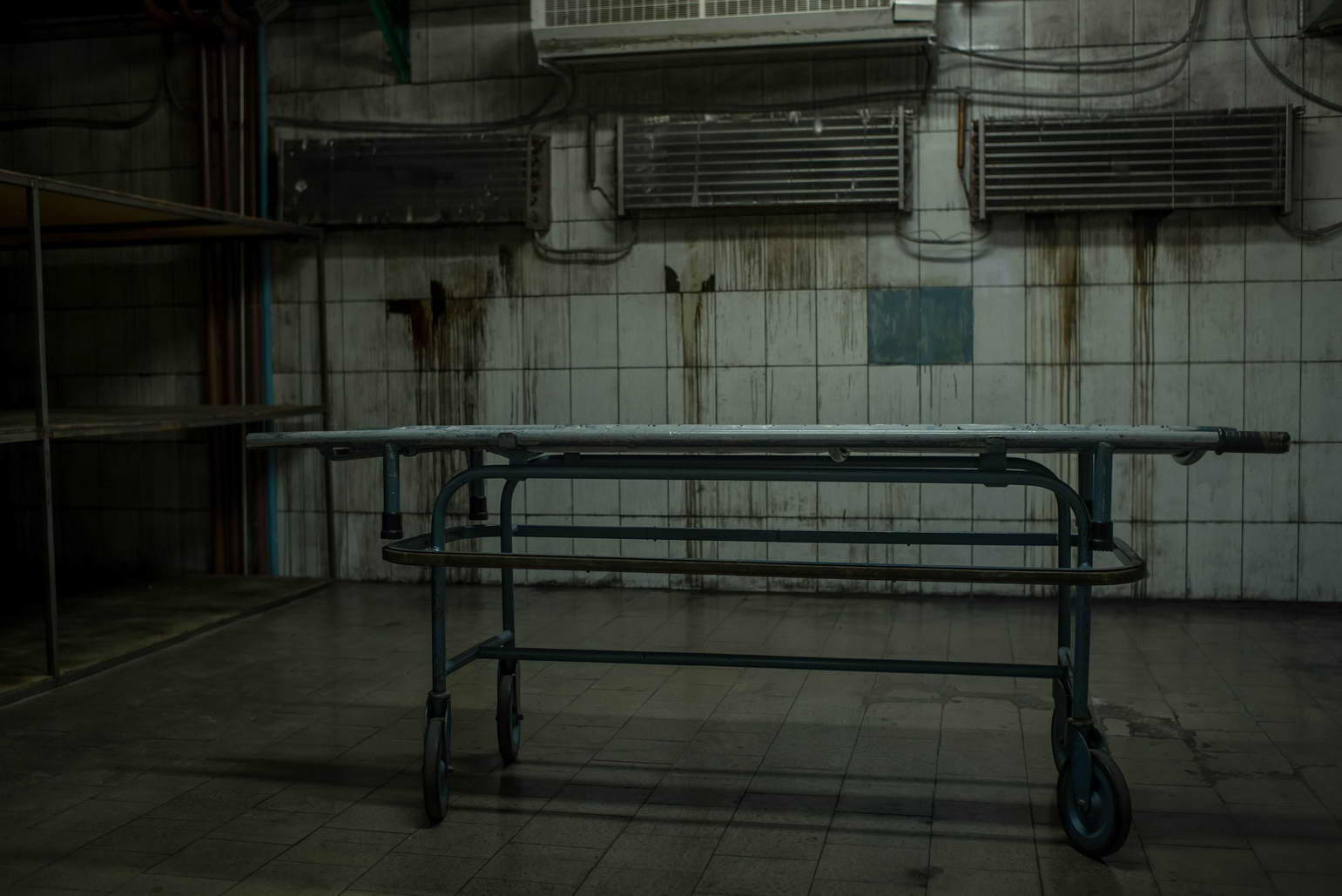
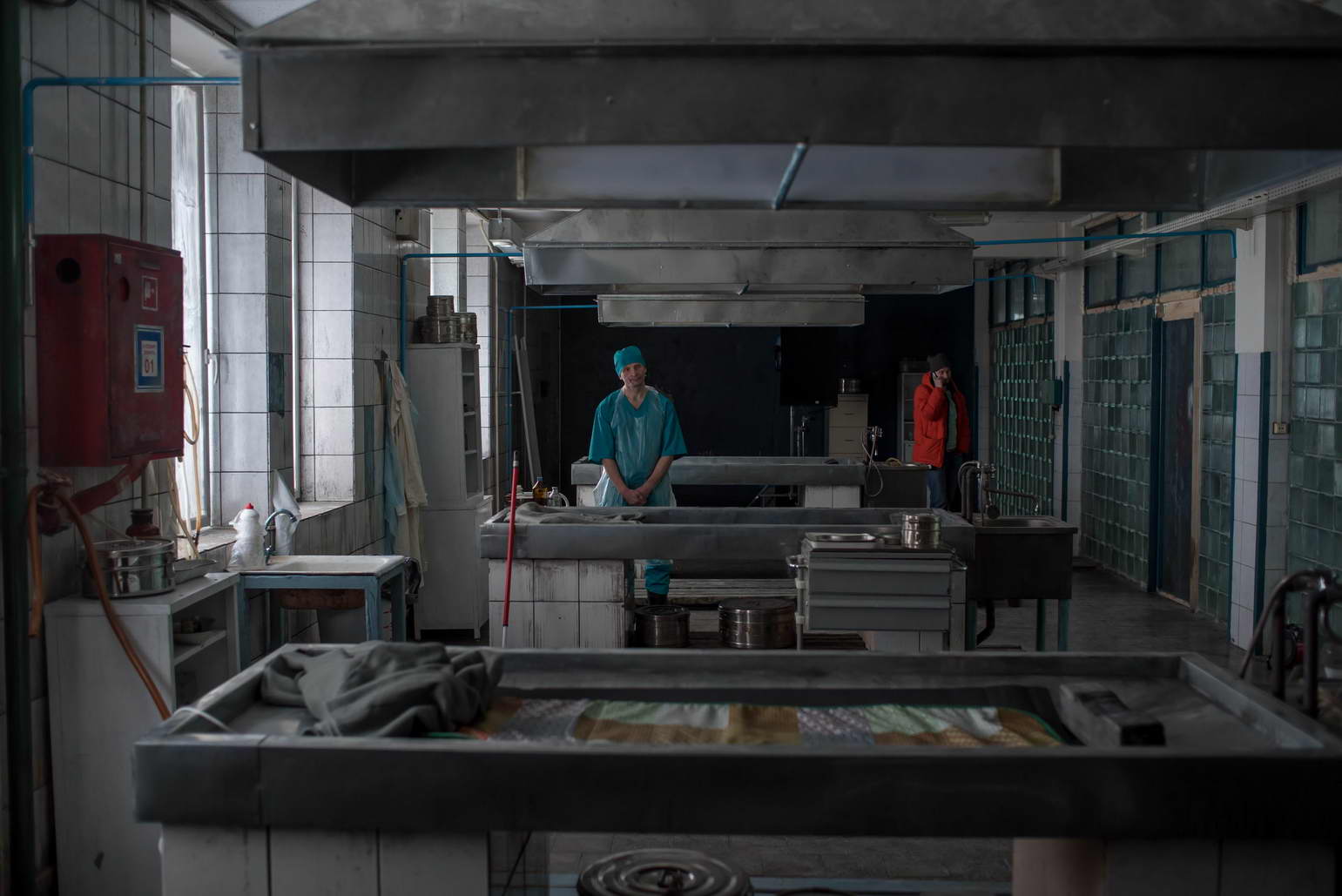
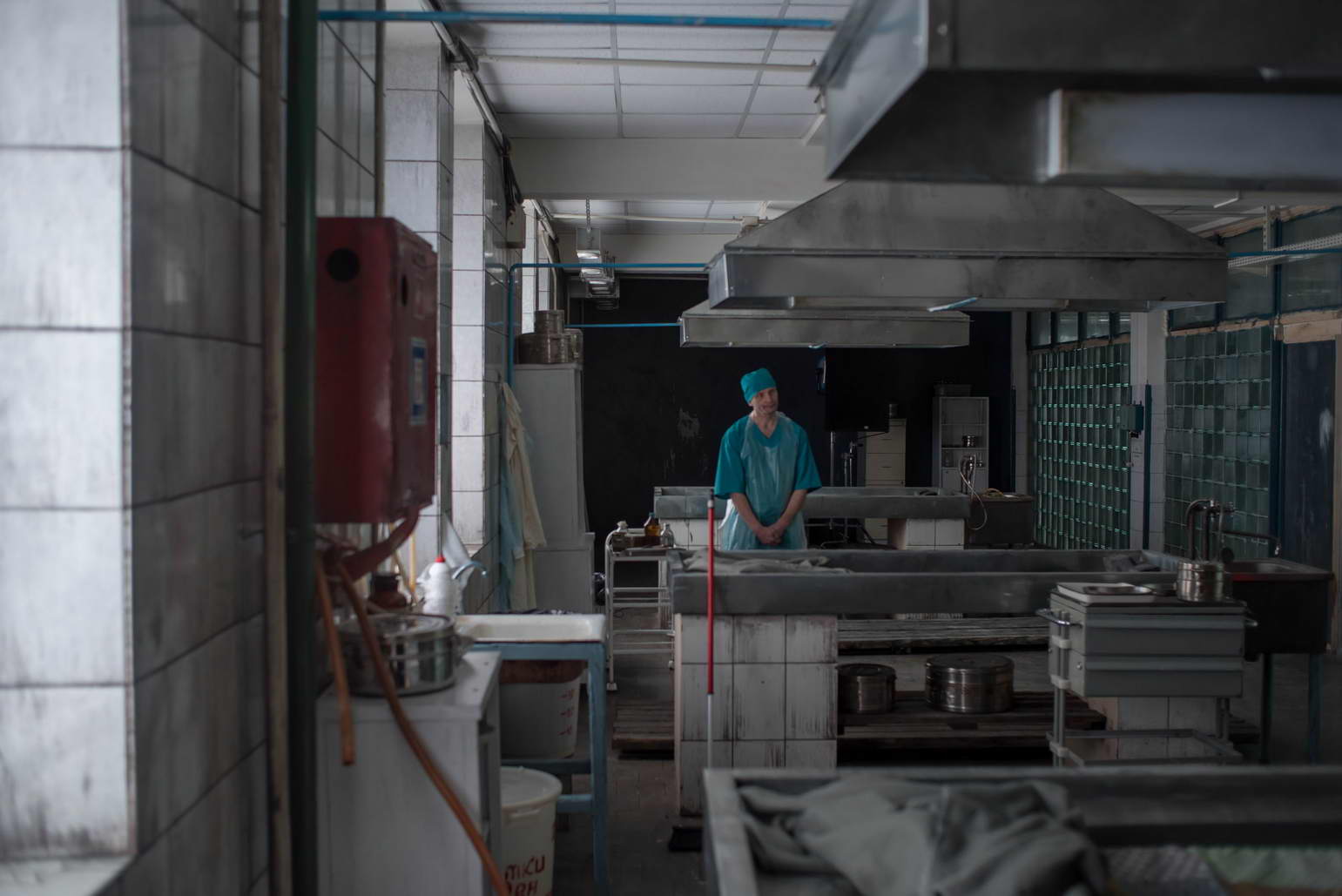
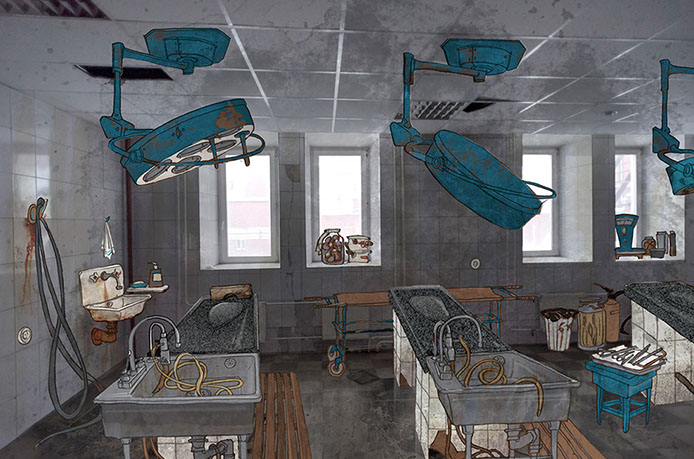
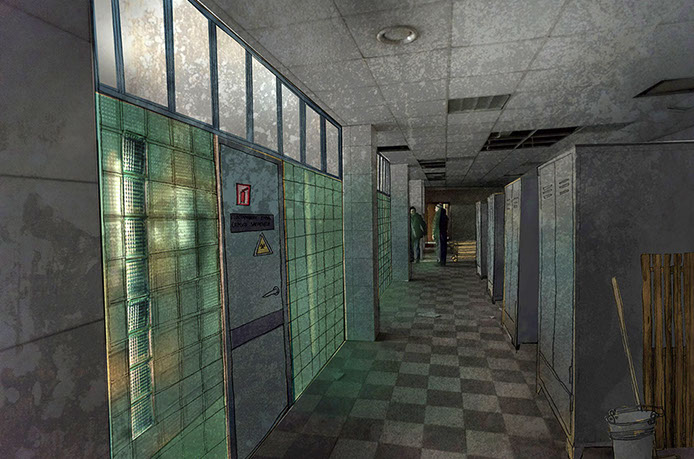
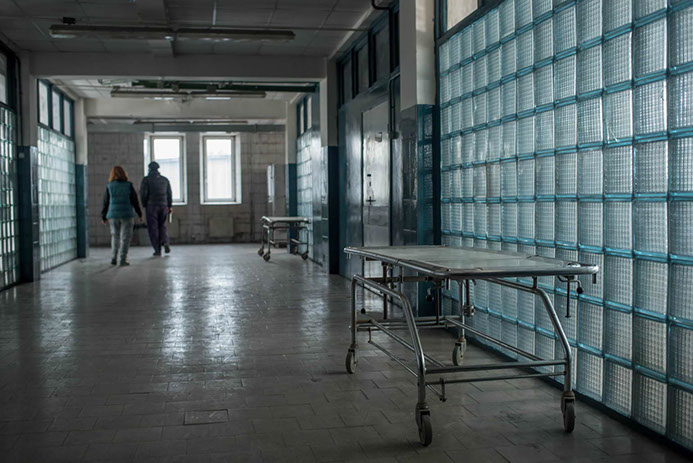
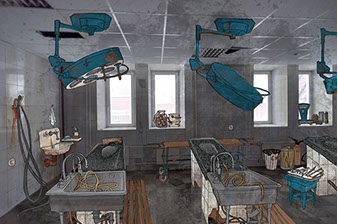
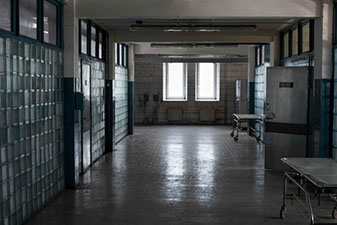
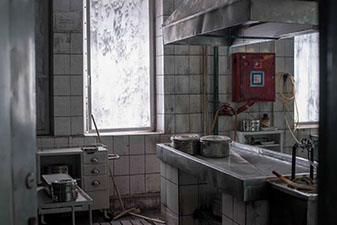
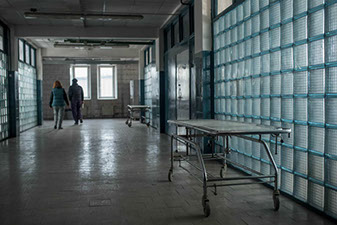
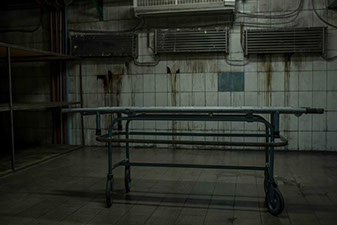
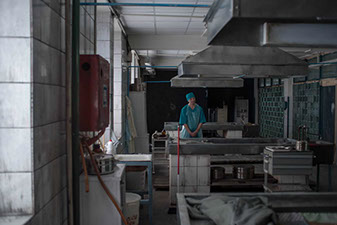
And with every scene, that tension grows. The hope of finding him alive diminishes with every hour. From abandoned places, the search moves to a hospital. Finally, the story culminates with its most intense moment occurring in a morgue, where the tension is finally released in an explosion of tears. The set for the morgue was constructed in a closed industrial plant. Its walls were covered with simple white tiles, and we built more walls using green glass bricks. With the cold luminescent lights, the space has a ghostly feeling of alienation, a place where no living soul belongs.
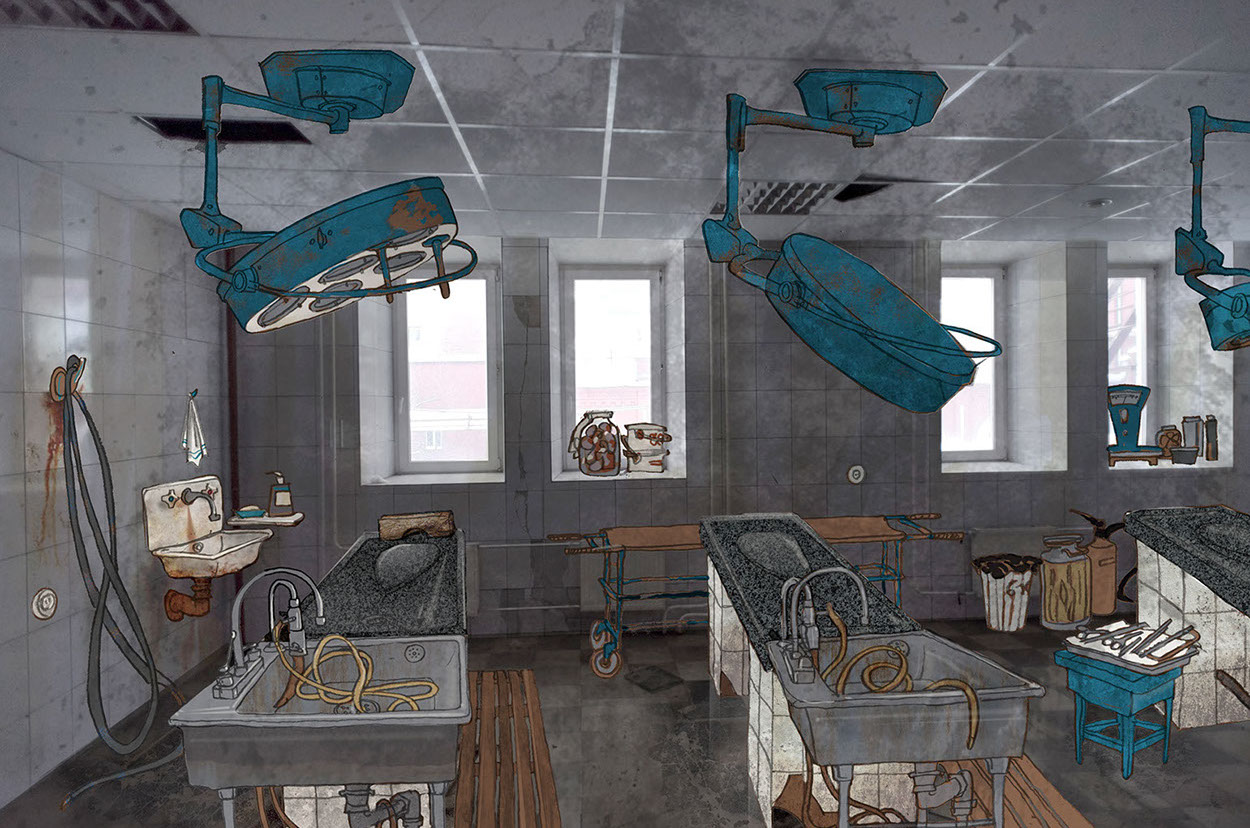
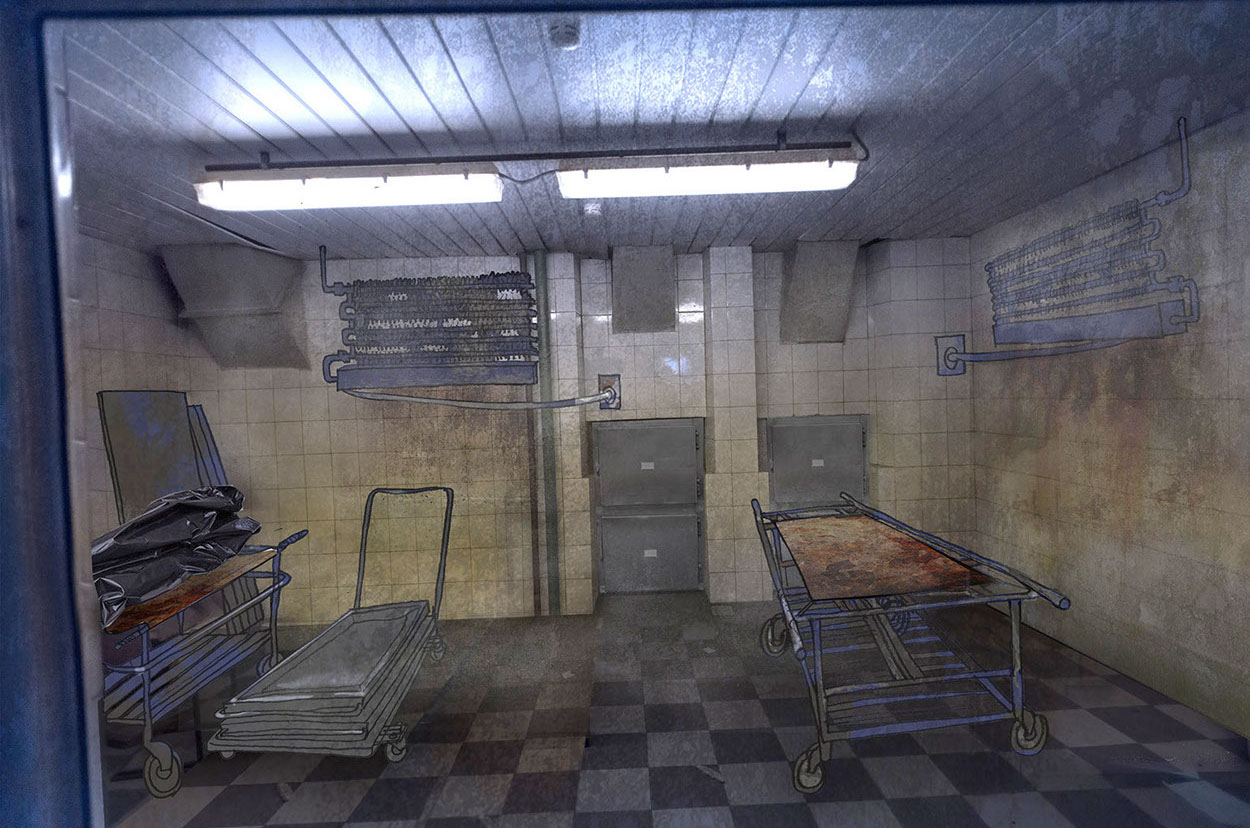


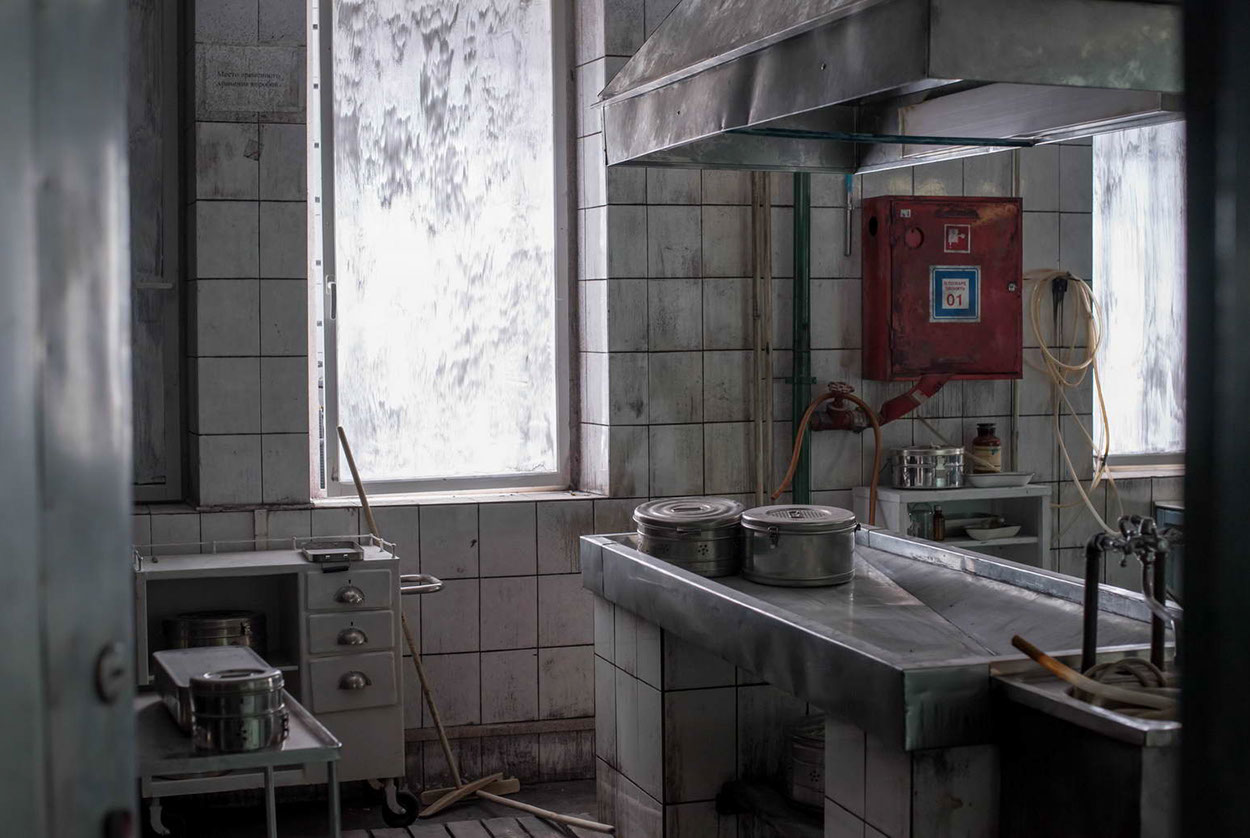


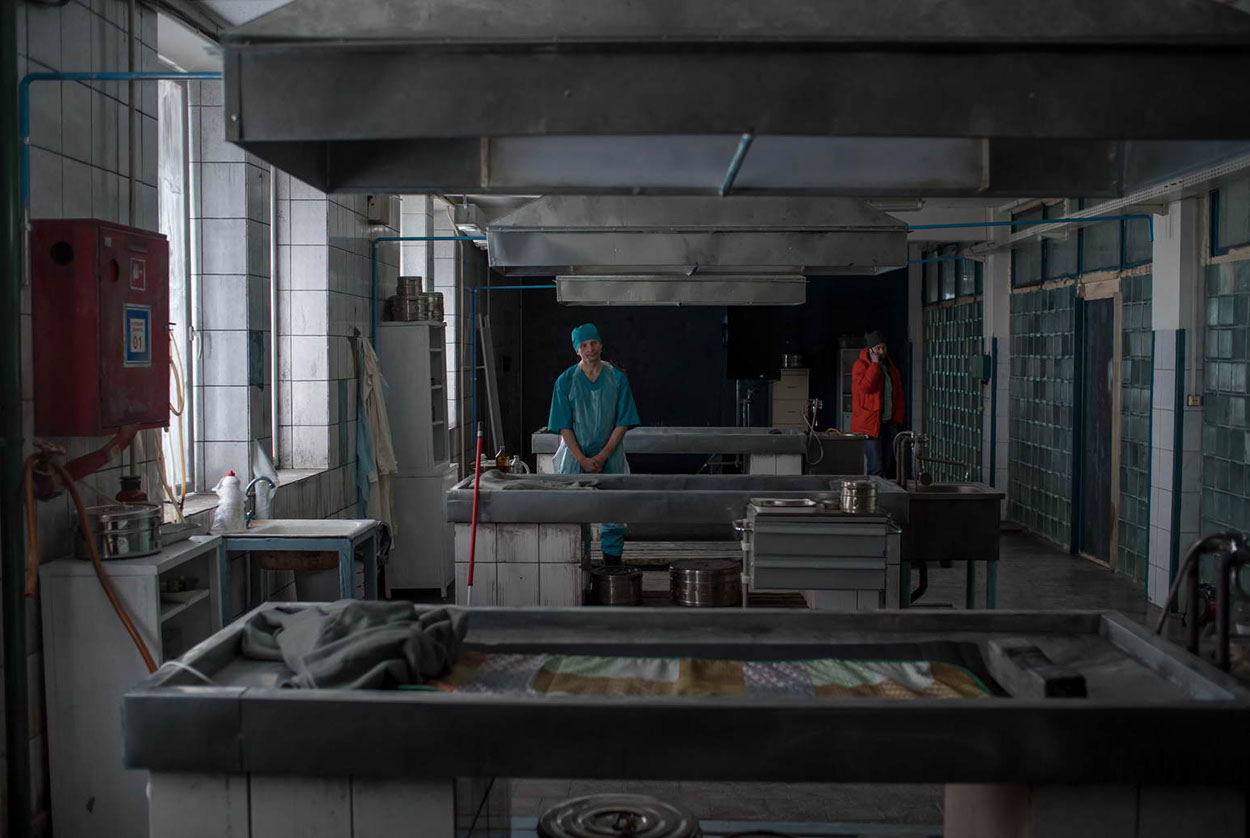
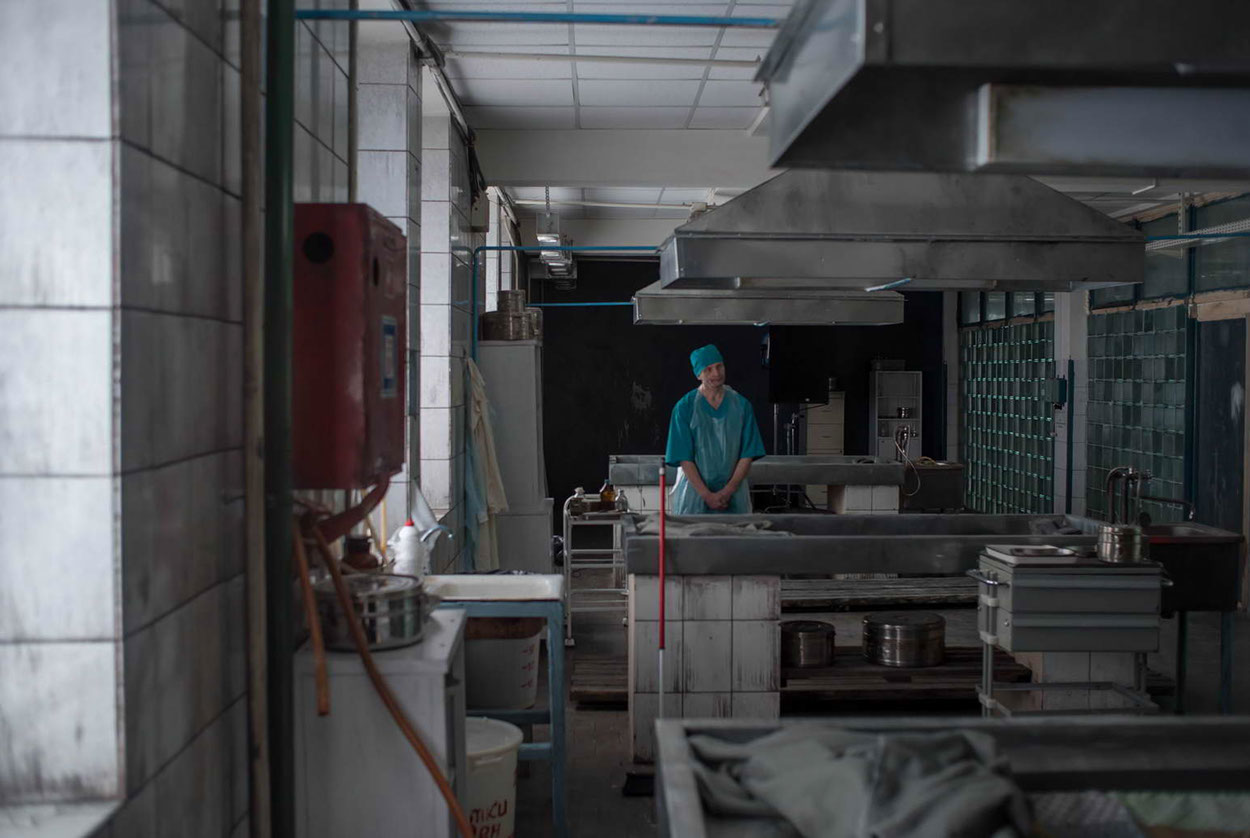
After that moment, time freezes. Our characters seem to lose the will to live, they exist inertially, as shells of their former selves. One of the last scenes in the film shows the Sleptsov apartment being renovated by its new owners. We see seasonal workers tearing down the wallpaper left by the Sleptsovs, a metaphor for the happy lives of the Sleptsovs, now vanished into the past.
For Andrey it was extremity important to find a subtle remembrance of Alesha in the very end of the story. My suggestion was to use a simple barrier tape, found somewhere near a building site, which he took for playing. That's the only one trace of him left in bare brunches.
The story of Loveless evolves more like a symphony than a novel. It's all about the tempo and rhythm, with the individual elements interacting to create profound moments of harmony or discord, depending on the context. Slow pace signals moments of culmination, and the music palette, ranging from whispers to weeping calls to our souls and resonates with our emotions.
Director Andrey Zvyagintsev
DOP Mikhail Krichman
Production Designer Andrey Ponkratov
Set Decorator Maria Slavina
Props Alexandr Losovsky
Set Builder Sergey Kotov, Andrey Grachev
Text edited by Robert Kursten